
Welcome to the last RSC Chemical Biology newsletter of 2026! We’re pleased to share a round-up of the latest journal news, as well as information on our themed collections and upcoming events as we head in to the end of the year. Get future updates directly to your inbox with our email alerts. Sign up here.
Latest News
RSC Chemical Biology Editorial Board member Prof. Michelle Arkin has reached the end of her term and has retired from her position on the Board, where she has served since the journal’s launch. We’re pleased to say that Prof. Arkin will now be joining our Advisory Board, and we look forward to our continued collaboration.
Research Spotlight
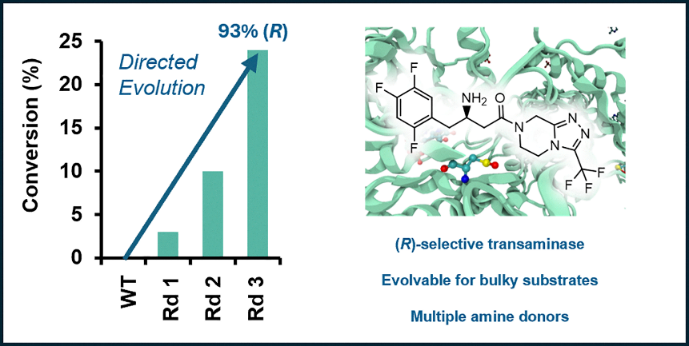
Discovery and evolution of an (R)-selective transaminase for production of sitagliptin, Matthew Treadell, Gareth R. E. Surman, Grayson J. Ford, Christopher W. Otun, Shiny Joseph Srinivasan, James Galman, Maria Bawn, Akash Pandya, Craig J. Markin, Anthony P. Green and Jack S. Rowbotham, RSC Chem. Biol., 2026, DOI: 10.1039/d6cb00180g.
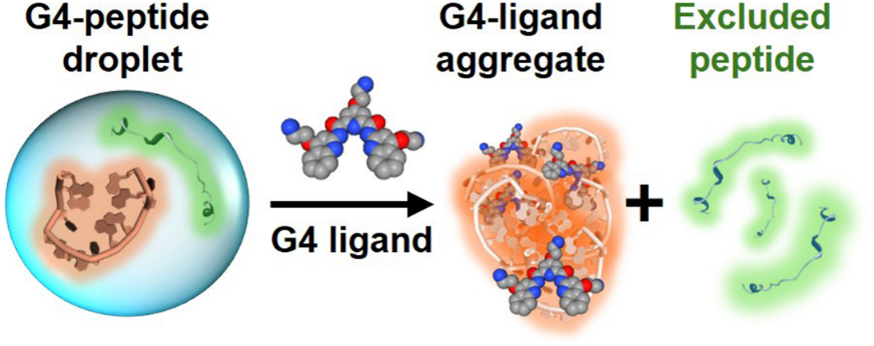
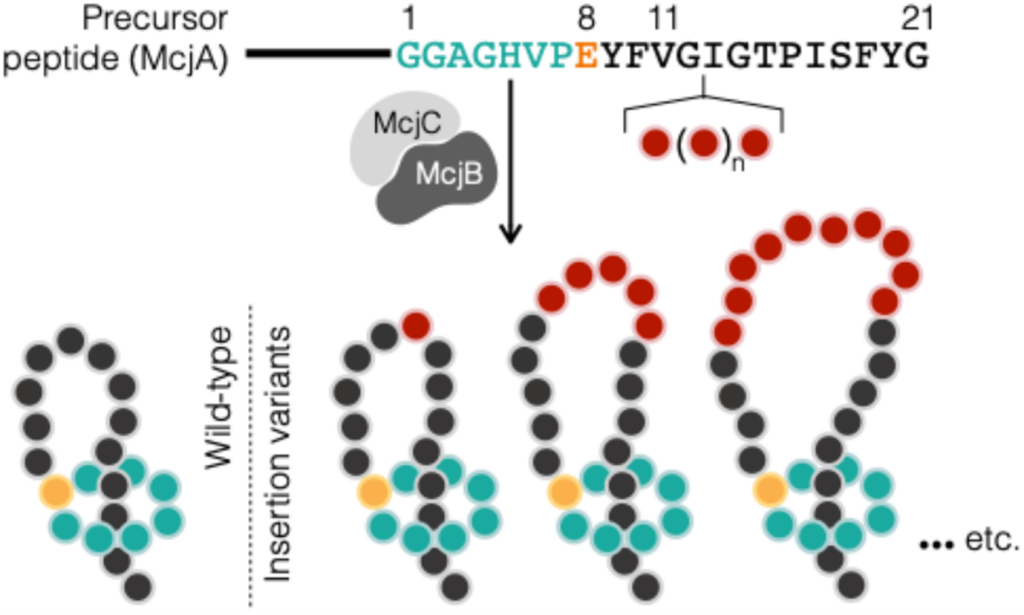
Exclusion of RNA-binding domains from G-quadruplex condensates by G-quadruplex ligands, Yoshiki Hashimoto, Ryosuke Suzuki, Mizuho Aya, Nagisa Takamiya, Mitsuki Tsuruta, Takeru Torii, Toshiyuki Goto, Keiko Kawauchi and Daisuke Miyoshi, RSC Chem. Biol., 2026, 7, 1578–1588, DOI: 10.1039/d6cb00020g.
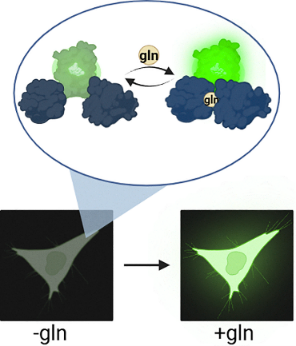
Illuminating spatial dynamics of glutamine metabolism with a sensitive genetically encoded biosensor, Jack M. Scully, Michael J. Sun, Siddharth Das, Nataly J. Arias, Edmund D. Kapelczak, Tiffany D. Robinson, Katie G. Vineall, Teagan S. Dean, Tara TeSlaa, Ajit S. Divakaruni and Danielle L. Schmitt, RSC Chem. Biol., 2026, 7, 1839–1855, DOI: .
Themed Collections
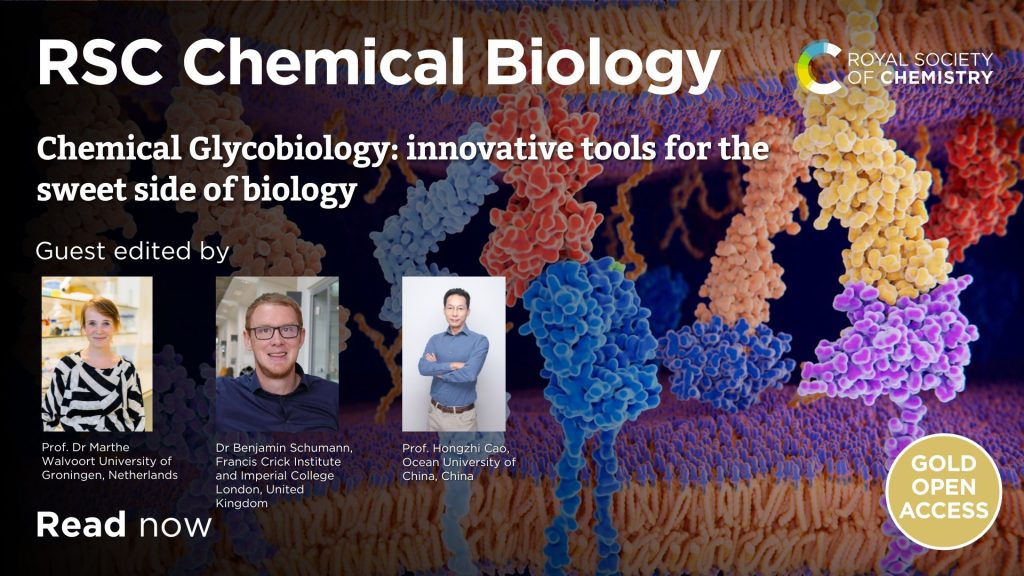
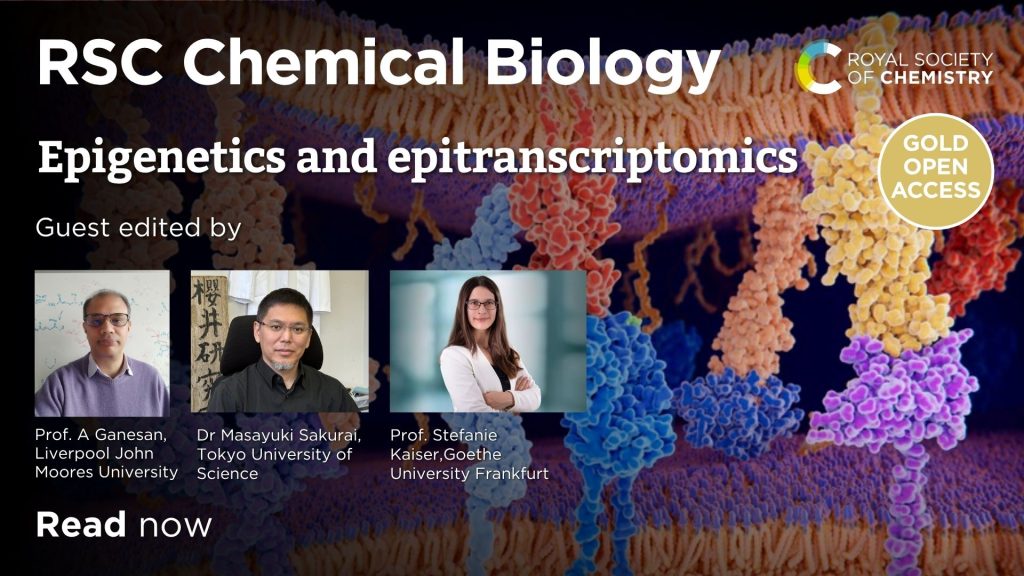
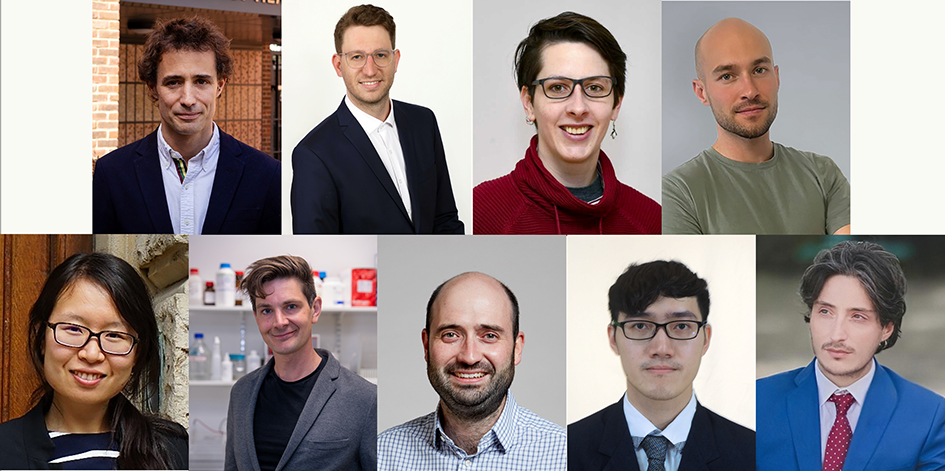
We’re pleased to share our new themed collection “Chemical Glycobiology: innovative tools for the sweet side of biology”. This collection highlighting the use of innovative chemistry in advancing glycobiology was Guest Edited by Dr Benjamin Schumann (Francis Crick Institute and Imperial College London, United Kingdom), Prof. Hongzhi Cao (Ocean University of China, China), and Prof. Dr Marthe Walvoort (University of Groningen, Netherlands). Read the collection online here.
Recent Events
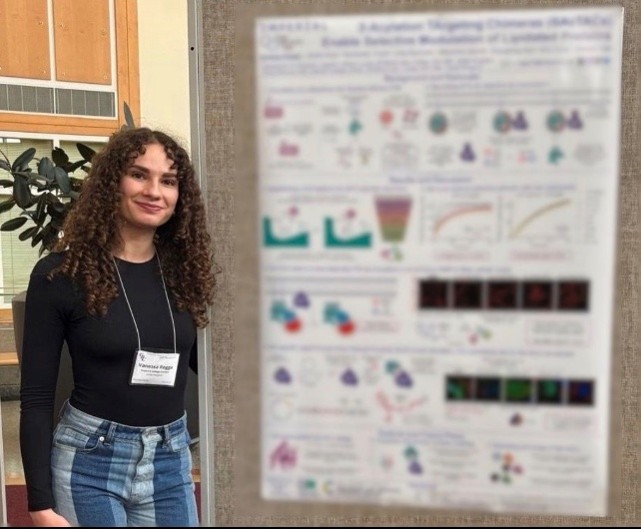
The 22nd RSC Nucleic Acids Forum took place at our headquarters, Burlington House in London on 10 July 2026. The RSC Nucleic Acids Group hosted oral and poster presentations, and a careers event for early-career researchers. The winner of our prize for best poster was Tahia Taufiq from (UCL) for their poster titled “Biological Evaluation of Novel 2′-Difluoromethyl Modification in Therapeutic Oligonucleotides”.
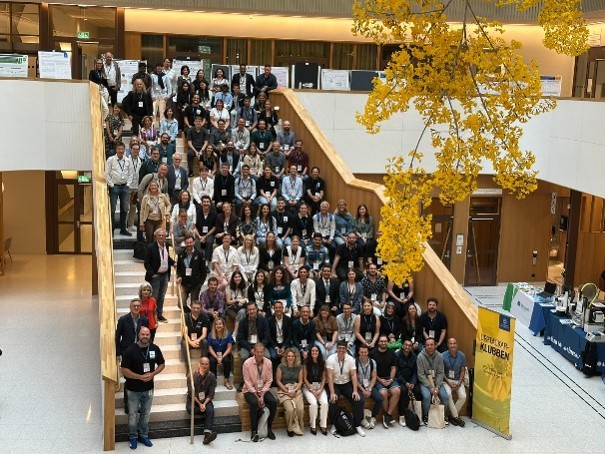
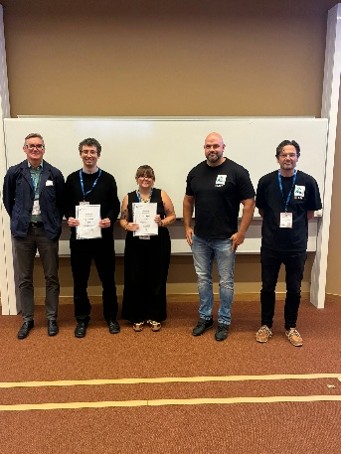
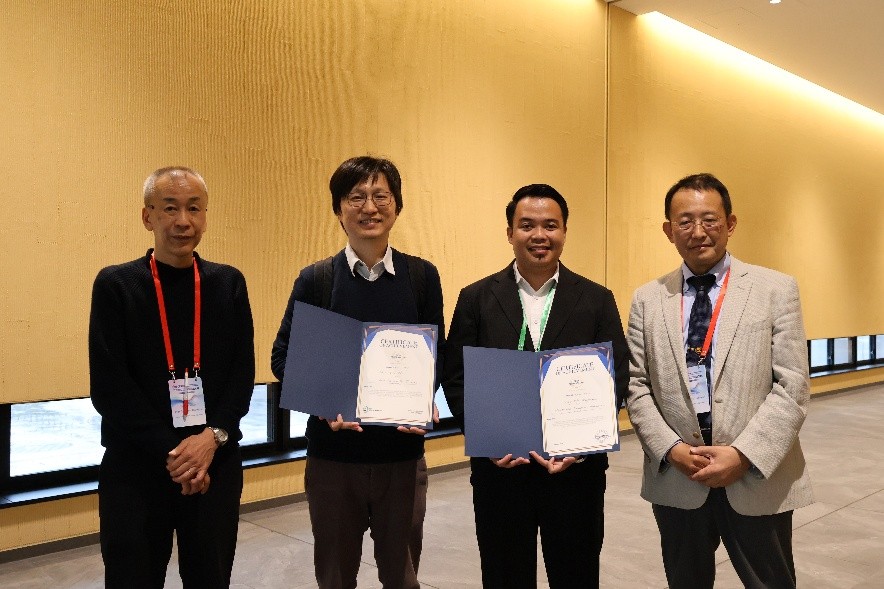
We’re delighted to announce that Alice Eddershaw, Karolinska Institute, Sweden has won our best poster prize at the 34th GP2A Conference on Medicinal Chemistry! Her winning poster was “Small-molecule chemical switches change the function of the repair protein HMCES”. Pictured above are the delegation from the conference, and the winners of the poster awards sponsored by our other journals: Billy Brennan (The University of Dublin Trinity College) is second from left and received the RSC Medicinal Chemistry prize, and Juliette Lafoni (LilNCog) is third for left and won the RSC Pharmaceutics prize. Also pictured are the President of GP2A Florence McMarthy (left) and University of Gothenburg organising committee members Philipp Klahn and Morten Grötli (right).
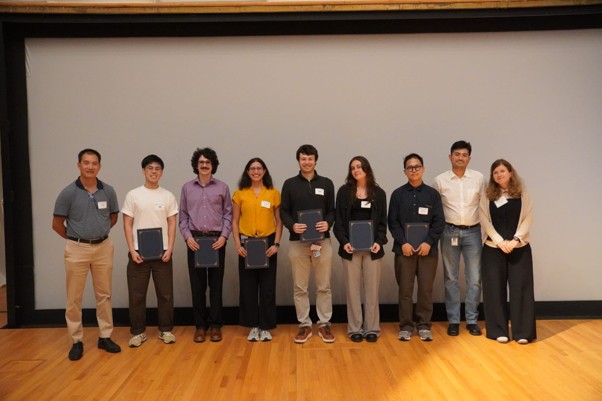
RSC Chemical Biology and its peer Royal Society of Chemistry journals sponsored awards for the best posters at the 22nd Annual Tri-institutional Chemical Biology Symposium, a regular showcase of novel research organised by Memorial Sloan Kettering Cancer Center, The Rockefeller University, and Weill Cornell Medicine in New York City. We’re pleased to share that the winner of the award from RSC Chemical Biology is Theodore Yassa, for “Protein-Protein Interaction Discovery in Human Solid Cancer Biopsies”. The award sponsored by Chemical Science was granted to Karl Lin, and Emily Scheib received the prize from Organic and Biomolecular Chemistry. All of the winners across the awards from the meeting are pictured above.
Our Assistant Editor Dr Elizabeth Bedwell attended the EMBO Chemical Biology Workshop in Heidelberg, Germany. An excellent event bringing together students and experts from across the full breadth of Chemical Biology research. There were thought-provoking presentations, inspiring keynote sessions, and nearly 150 posters presented. RSC Chemical Biology sponsored two poster prizes and we’re pleased to announce that the winners are Rachel Chan at the University of Chicago for the poster titled “Mapping Stress Granule Proteome and Transcriptome Dynamics by Integrated BAP-seq and BAP-ID” and Nithyashree Babu at Technische Universität Wien for the poster titled “Conformational Caging of Nucleic Acid Probes via Bioorthogonal Click Chemistry”.
Upcoming events
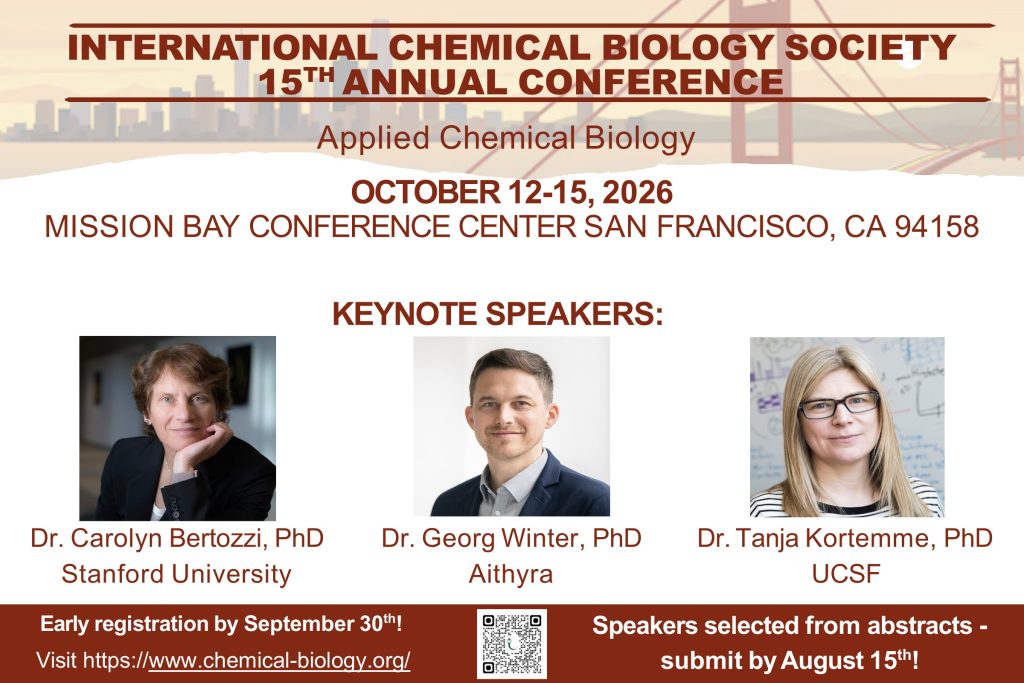
We’re proud to be sponsoring the trainee communication awards at International Chemical Biology Society 15th Annual Conference taking place 12-15 October in San Francisco, CA, United States. This year’s meeting is chaired by our Editorial Board member Prof. Michelle Arkin, and was also organised with our Editorial Board members Prof. Boris Vauzeilles and Prof. Zaneta Nikolovska-Coleska. Our Deputy Editor Dr Alexander Whiteside will be attending; please contact us by email if you would like to arrange a meeting.
The 35th Annual GP2A conference will take place in Modena, Italy on 25th-27th August 2027. See the GP2A web site or contact them at contact@gp2a.org for more information.
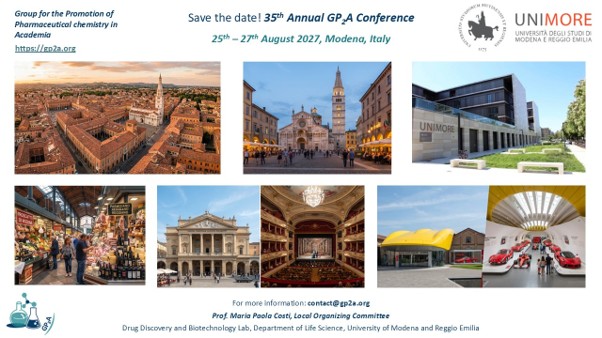
Follow our channels below to keep up to date on the events we’re supporting in late 2026 and into 2027.
Submit your work to RSC Chemical Biology
Find out more about RSC Chemical Biology on our webpage, where you can also find our author guidelines. RSC Chemical Biology has received a 202 Impact Factor of 3.9, and provides a first decision on articles sent to peer review in an average of 38 days.
Publishing open access with RSC journals unlocks the full potential of your research – bringing increased visibility, wider readership and higher citation potential to your work. As a not-for-profit organisation serving the chemical sciences community, we ensure that our article processing charge (APC) remains the most competitive of major publishers. More details can be found here and the APC for RSC Chemical Biology is £2200. You can also use our journal finder tool to check if your institution currently has an agreement with the RSC that may entitle you to a discount of the APC.
Stay Connected:
Follow us on LinkedIn and Bluesky for new articles and the latest news from RSC Chemical Biology and related journals at the Royal Society of Chemistry.