Archive for April, 2018

Meet the Royal Society of Chemistry at ACS National Meetings

We always enjoy meeting new people and catching up with familiar faces at ACS National Meetings, most recently in New Orleans.  We packed our schedules with talks during the day, learning about the latest and exciting developments across the chemical sciences.  Many of us attended sessions related to the Nexus of Food, Energy, and Water theme, which also aligns with the global challenges the RSC aims to support.

It was a good opportunity to congratulate Chemical Science Associate Editors Professors Kit Cummins and Mircea Dinca at MIT in person as they received ACS awards for their achievements.  Editor-in-chief Professor Daniel Nocera, Executive Editor Dr. May Copsey, and many other Chemical Science Board members discussed some exciting developments for our flagship journal – stay tuned for updates on the website and learn more about the Associate Editors!
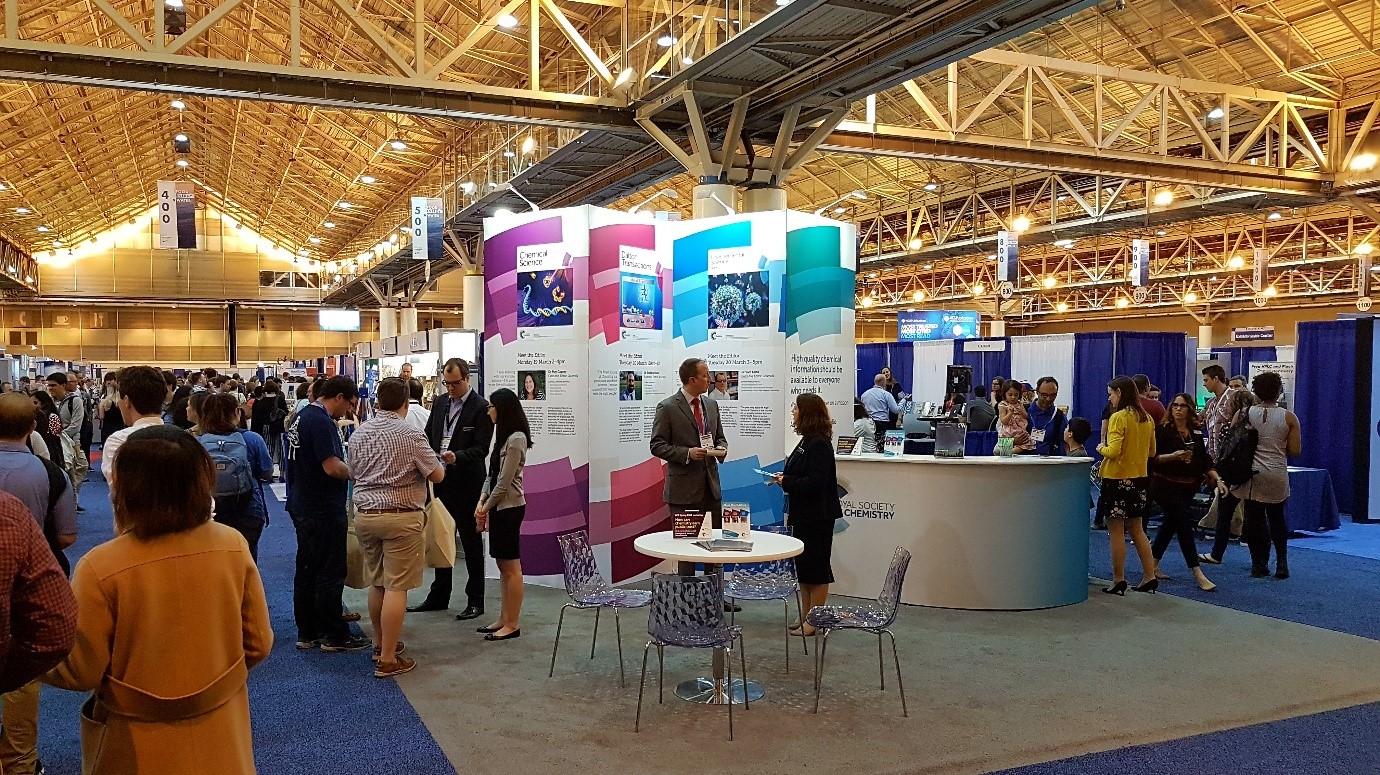
Booth, ACS, RSC, Chemical Science, Environmental Science journals, New Orleans

Dr. May Copsey, Executive Editor for Chemical Science, Dr. Sam Keltie, Executive Editor for the Environmental Science journals, and Dr. Jenny Lee, Assistant Editorial Development Manager, meeting attendees at the RSC booth during opening night of the Expo.

While it’s challenging to keep up with the conference programming, we wanted to spend some time to meet conference attendees at the booth and organize separate gatherings.  Larger conferences are great since colleagues travel from our Cambridge, UK office.  The Meet the Editor event involving Executive Editor Dr. Sam Keltie and the Editor-in-chiefs for the three sister Environmental Science journals was a nice chance to talk about publishing, and to also continue the conversation with the environmental chemical sciences community during happy hour.
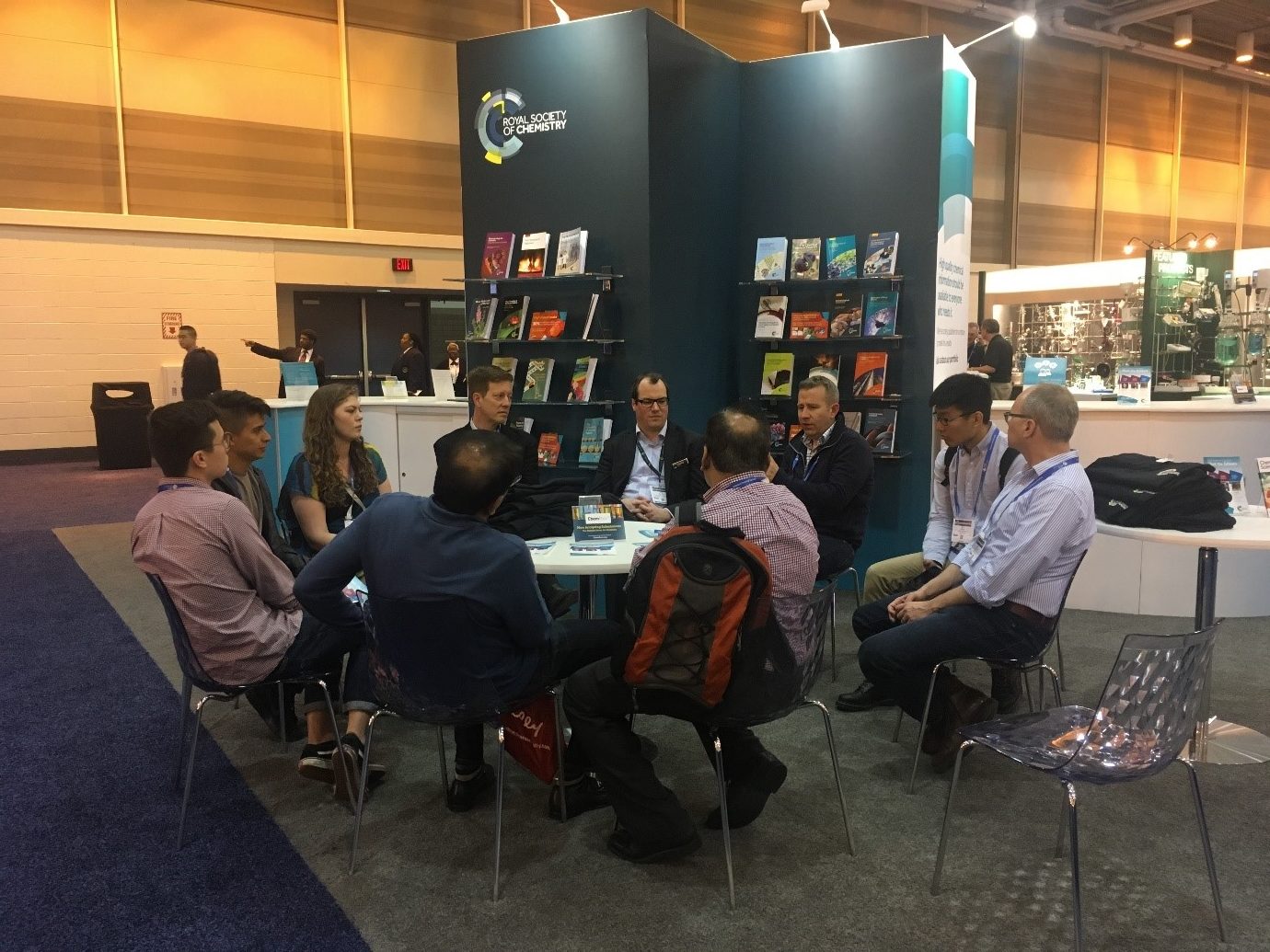
RSC, ACS, Environmental Science: Nano, Environmental Science: Processes & Impacts, Environmental Science: Water Research & Technology, ESN, ESW, ESPI, Meet the Editor, Booth, Sam Keltie, New Orleans

Meet the Editor event with Dr. Sam Keltie, Executive Editor of the Environmental Science journals, Prof. Kris McNeill, Editor-in-chief of Environmental Science: Processes & Impacts, Prof. Peter Vikesland, Editor-in-chief of Environmental Science: Nano, and Prof. David Cwiertny, Editor-in-chief of Environmental Science: Water Research & Technology.

We also were glad to connect with a few RSC Advances Associate Editors, Editorial Board member Professor James Batteas, and Executive Editor Dr. Andrew Shore where we discussed ideas to continue developing the latest Gold Open Access option within the RSC journals.  While these are only a few highlights of all the events we organized throughout the conference, we appreciated the many opportunities to hear everyone’s thoughts to guide our future activities.
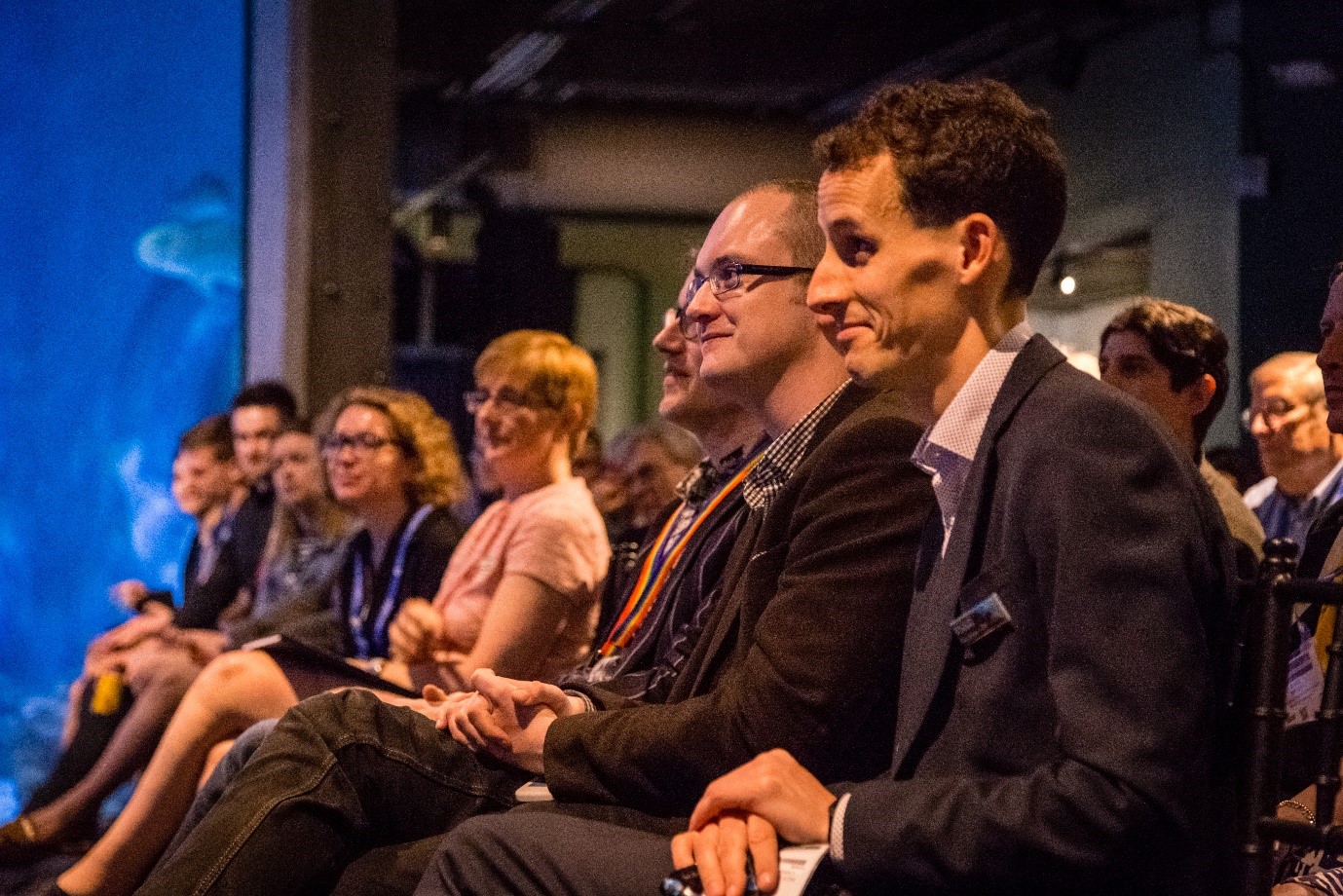
RSC, ACS, RSC Members' Reception, New Orleans

RSC Members’ Reception with Dr. Guy Jones, Executive Editor for Data, pictured in the foreground.

We’d love to meet you at a future ACS National Meeting – you can usually catch most of us at the booth on the opening night of the Expo so we hope to see you soon!

Digg This
Reddit This
Stumble Now!
Share on Facebook
Bookmark this on Delicious
Share on LinkedIn
Bookmark this on Technorati
Post on Twitter
Google Buzz (aka. Google Reader)

Science Connect: helping Brazilian scientists communicate their research

The British Council is an organization in the UK that promotes cultural relations and educational opportunities in countries around the world. Three years ago, the RSC began collaborating with them on their Researcher Connect program. Researcher Connect brings workshops on communication skills to universities around the world, including Brazil. For our part of the program, we conduct 1-day, science communication focused workshops, which we call Science Connect. If you think your university in Brazil might be interested, the British Council will be putting out a new call for Researcher Connect applications starting April 2 2018 here. We will be selecting a few institutions chosen for the main Researcher Connect 2018 program to also host an extra day for Science Connect.

This year, we held our Science Connect workshops at three universities: Universidade Federal do Espírito Santo (UFES), Universidade de Brasília (UnB) and Universidade de São Paulo (USP). We had students, postdocs and professors from not only chemistry departments, but also related fields such as materials science, molecular biology and environmental science.

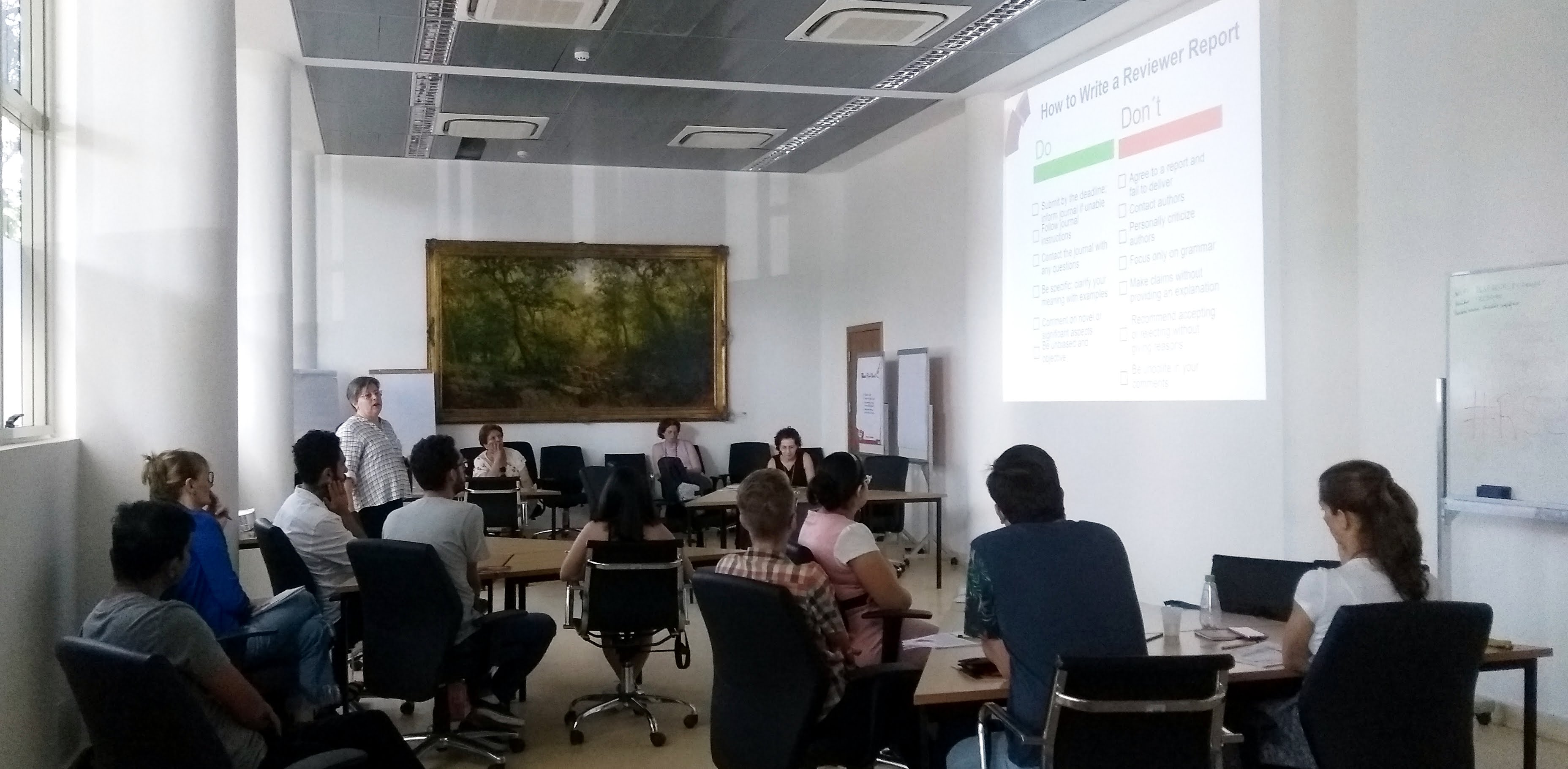
First, Elizabeth Magalhaes from our São Paulo office gave a presentation about the publishing process, with tips from our Editors about all stages of the process, from submission to revision. She also covered best practices for reviewing articles and ethics. The participants told us they found it really useful with lots of tips and good advice on how the publishing process works from the Editors’ perspective.

presentation, publishing

Elizabeth Magalhaes presenting on how to publish at USP

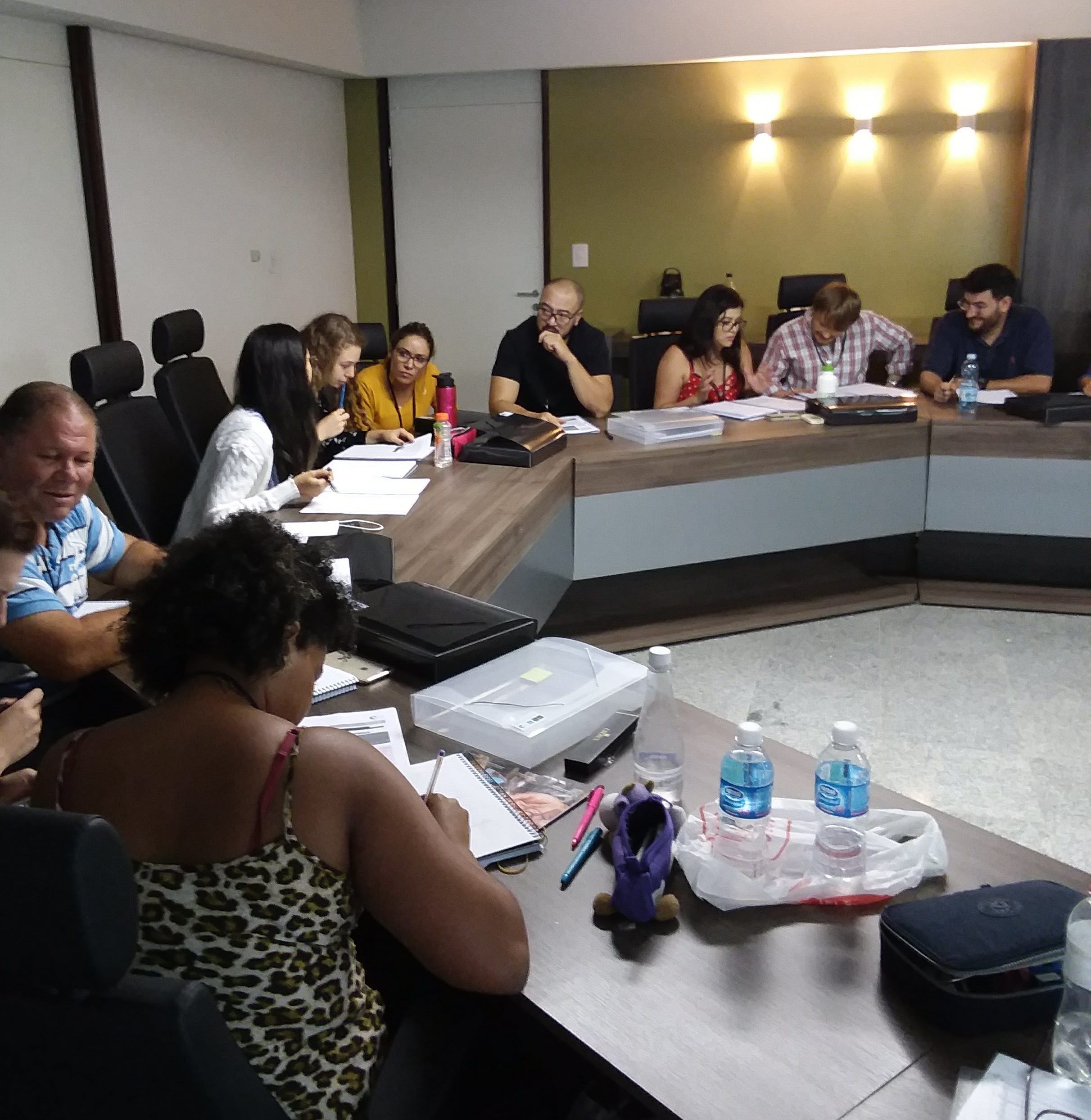
Then, our first hands-on module started with students reading the text of an RSC Advances article from which we’d removed the title and abstract. After giving them some instruction on the essential components of abstracts and titles, we asked them to work in groups to first write an abstract for the article and then a title. Some of the students found this challenging because it was outside of their field, but many of their results included elements that could have improved the real abstract!

Students at UnB collaborate to write an abstract for the RSC Advances article.

The second module focused on communicating your research orally. We went over how important body language and manner of speaking can be. We looked at a real example and asked them to critique the speaker based on what they’d learned. The second half of this module focused on elevator pitches, which are generally unfamiliar to Brazilian researchers. With a worksheet as guidance, we walked them through the elements of a good pitch and asked them to take a stab at writing their own. Several of the students said they found this really useful because they hadn’t really sat down and thought about what they do and why it’s valuable to others.

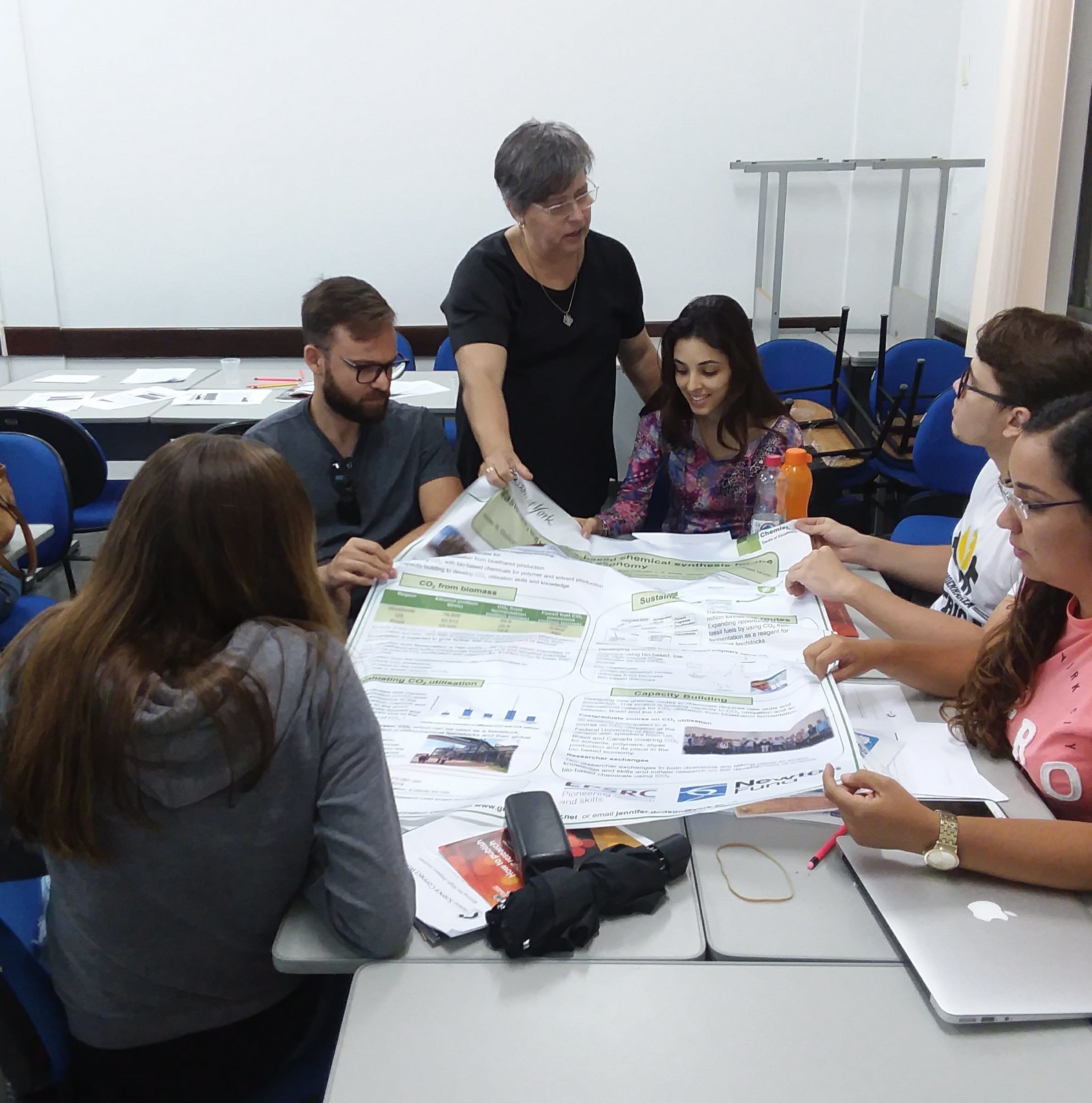
And finally, and most fun, we looked at the elements of great poster design. We showed some real life examples and asked the students to point out the good and bad elements. We emphasized that communicating your science in a logical way is the most important aspect of posters – they don’t always have to follow the same format as a paper. We encouraged them to get creative (but not too creative!) in thinking about the best way to visually communicate their science. Then some brave students allowed us to look at their real posters for friendly critique.

Elizabeth Magalhaes shows students at UFES an example of a fabric poster.

We had a lot of great feedback from the attendees and really enjoyed helping them better communicate their research. “The partnership with the Royal Society of Chemistry has flourished greatly over the past few years and, the feedback we got from universities’ representatives is nothing but really positive,” says Camila Almeida, Newton Fund Project Manager with the British Council. “We have now delivered eight Science Connect workshops in various Brazilian states, and we have observed an increasing interest from the institutions each year. We are very pleased with the results and looking forward to the forthcoming workshops in 2018!”

Digg This
Reddit This
Stumble Now!
Share on Facebook
Bookmark this on Delicious
Share on LinkedIn
Bookmark this on Technorati
Post on Twitter
Google Buzz (aka. Google Reader)