Focus: Hydrogels


Hydrogels continue to attract significant attention due to their unique characteristics such as high-water content, softness, biocompatibility and low cost. This collection highlights recent advances in hydrogel research published on Materials Chemistry Frontiers, spanning wound healing, tissue engineering, drug delivery, wearable sensors, flexible electronics, and energy storage applications. Articles featured in our focus collections are handpicked by Editors. We hope you find them enjoyable to read.

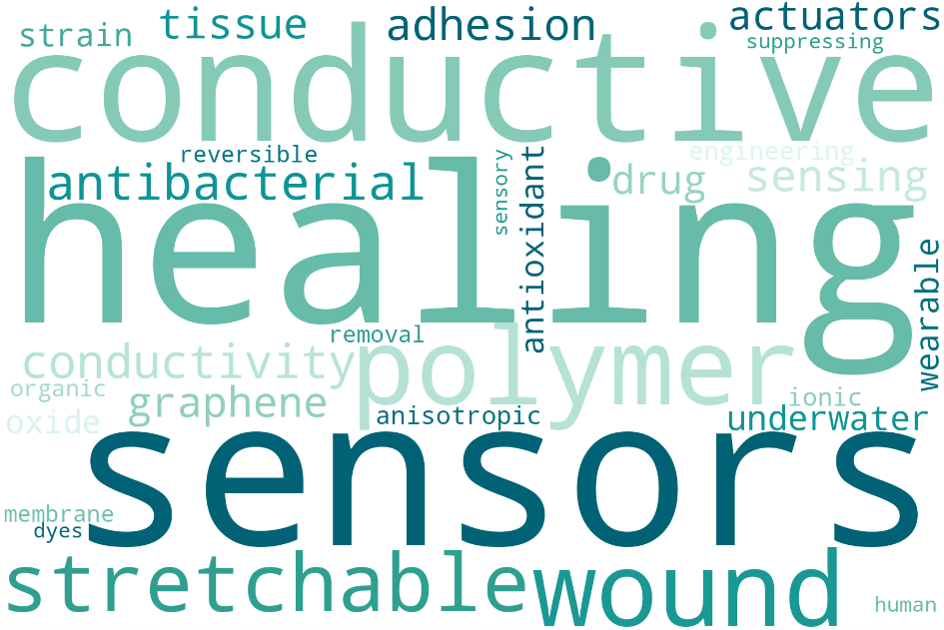
Word cloud is generated by Copilot


Review Articles

Hydrogel polymer electrolytes for advanced zinc-ion batteries: structural design and anode stabilization strategies
Chen, Yu; Xie, Pengyun; Shen, Bingrong; Peng, Hui; Zhu, Lei; Shakir, Imran; Ma, Guofu; Xu, Yuxi

Hydrogel ionic sensory systems
Chen, Rui; Guo, Rongxi; Li, Ying; Yan, Hao; Huang, Jin; Xu, Hexiang; Shi, Wei; Zhang, Zongzheng; Zhuo, Shuyun; Liu, Mingjie

Recent advances in stretchable hydrogel-based triboelectric nanogenerators for on-skin electronics
Zhang, Baosen; Wang, Ruge; Wang, Ruizhi; Chen, Baojin; Li, Haidong; Shen, Ao; Mao, Yanchao

Stimuli-responsive Ti₃C₂Tₓ MXene-based hydrogels: preparation and applications
Gao, Qi; He, Ping-Ping; Wang, Xiaowen; Du, Xiaoxue; Guo, Weiwei

Conductive hydrogels as an innovative healer for the treatment of diabetic wounds
Zhao, Jingyi; Gao, Chen; Guo, Wenlai; Zhang, Boxiang; Ren, Sixu; Wu, Siyu; Guo, Jie; Qu, Wenrui

Recent advances in tailored chitosan-based hydrogels for bone regeneration and repair
Feng, Peipei; He, Chaonan; Li, Guanrong; Li, Jin; Ke, Chunhai; Ma, Jingyun


Research Articles

Photothermal-responsive nanocomposite hydrogel for intelligent drug release and alveolar bone regeneration
Wang, Junjie; Chen, Haojie; Wang, Dai; Chen, Jianzhao; Lan, Liujia; Li, Wenqiang; Shen, Shan

Stimuli-responsive drug delivery, antioxidant and photothermal antibacterial hydrogel wound dressing for MRSA-infected pressure ulcer repair
Wu, Yuling; Dong, Ruonan; Fang, Qingqing; Chen, Zikun; Duan, Xianglong; Guo, Baolin; Liu, Liangle

Photoresponsive multifunctional anisotropic conductive hydrogel membrane for human motion detection, information encryption and transmission
Qi, Haina; Yu, Anran; Jing, Xuelian; Hu, Yaolin; Wu, Ping; Zhang, Xuejian; Li, Yongtao; Zhao, Hongkai; Liu, Huisheng; Dong, Xiangting

Amino acid-derived Cu(II)-coordinated supramolecular hydrogel with tunable mechanics, self-healing, and underwater adhesion
Singh, Nishikanta; Mahata, Koushik; Sinha, Durgesh Kumar; Banerjee, Sanjib

Suppressing γ- to α-Fe₂O₃ transformation using a reduced graphene oxide hydrogel
Quan, Xiangning; Duan, Shuo; Yan, Peixiu; Wang, Yongjian; Zhao, Yiqun; Yang, Jie; Dai, Bo; Si, Mingsu; Wang, Jun; Hu, Yang; Li, Hua; Zhang, Lili; Wu, Mingzai; Peng, Yong

A bioinspired hydrogel with balanced adhesion and compliance for reversible underwater adhesion
Zhang, Yanjing; Feng, Shanhao; Zhu, Shilei; Yang, Xin; Hu, Yulin; Kang, Beibei; Guo, Shuaijun; Zheng, Qiang; Fan, Hailong; Ye, Ya Nan

A highly conductive, biocompatible and stretchable sputtered Pt electrode via the island-bridge effect
Patino, F. Javier; Sanchez-Beato, Lidia; Jimenez, Alicia; Duran-Prado, Mario; Polo, J. L.; Payo, Ismael; Andres, J. P.; Herrero, M. Antonia; Vazquez, Ester

Sustained release of a low molecular weight antilipolytic drug from an electroactive hydrogel for antiaging and biomedical applications
Mondal, Himarati; Lee, Hyun Jong

An adenine-modified chitosan cross-linked 8-arm-PEG-CHO hydrogel for promoting infected wound healing
Jiang, Jiaxi; Jiang, Tao; Zhou, Cong; He, Yingjie; Jiang, Ankang; Yang, Guichun; Nie, Junqi; Wang, Feiyi; Yang, Xiaofan; Chen, Zhenbing; Lu, Cuifen

MoS₂-functionalized chitosan hydrogel with antibacterial and antioxidant functions promotes healing of infected diabetic wounds
He, Yingjie; Guo, Jiahe; Li, Hua; Jiang, Jiaxi; Chen, Jing; Yang, Guichun; Yang, Xiaofan; Chen, Zhenbing; Lu, Cuifen

Self-healing photothermal antibacterial hydrogels constructed through multiple dynamic chemical bonds
Chang, Jingrui; Wang, Xinyu; Ma, Xuejiao; Lu, Bo

Programmable folding kinetics in single-composition hydrogel actuators via UV-induced microphase separation
Han, Gi-Yeon; Rho, Yumi; Zhao, Jiayu; Lei, Willie; Bae, Jinhye

Integrated molecular functions in photo-generated hydrogels for wound healing
Xu, Xiangchuan; Tong, Huanhuan; Kong, Hongtao; Chen, Canwen; Fan, Ping; Huang, Wenhuan; Miao, Hui; Zhang, Guoqing; Zhu, Rui

A pillararene-based supramolecular polymer hydrogel for removal of organic dyes from water
Ma, Jiaxin; Gong, Shanhao; Cheng, Yujie; Cao, Wei; Wei, Xuehong; Wang, Pi; Xia, Danyu

Synthesis of Schiff base crosslinked polyaniline hydrogels with enhanced electrochemical performance for supercapacitor applications
Ghosh, Samaresh; Majhi, Jagannath; Sharma, Sonal; Priya, Kumari; Bandyopadhyay, Anasuya

Design and electrospinning synthesis of red luminescent-highly anisotropic conductive Janus nanobelt hydrogel array films
Qi, Haina; Huang, Huazhi; Hu, Yaolin; Li, Ning; Yang, Liu; Zhang, Xuejian; Li, Yongtao; Zhao, Hongkai; Li, Dan; Dong, Xiangting

Multi-stimuli responsive smart materials: cyanine amphiphile self-assembly for photochromic and pH-switching applications
Tseng, Tzu-Yu; Yeh, Yao-Chun; Hsing, Wei; Fu, Lien-Chen; Yeh, Mei-Yu

Strong and highly conducting PPyNT/PAA/PVA triple network hydrogel: scalable construction and strain sensing
Wang, Shi; Yang, Huan; Chen, Yukai; Hu, Boyuan; Tian, Peng; Xue, Xiongbiao; Wang, Yong; Li, Yu; Jing, Xinli

High-strength anisotropic hydrogels as adhesive strain sensors for dual-environment applications
Li, Yali; Ma, Ruiyao; Liu, Hui; Liu, Qiang; Song, Shasha; Xing, Ling-Bao; Ma, Shuanhong

Flexible keratin hydrogels obtained by a reductive method
Peralta Ramos, Maria Luz; Rivas-Rojas, Patricia; Ascolani, Hugo; Cavallo, Margherita; Bonino, Francesca; Fernandez de Luis, Roberto; Ximena Guerbi, Maria; Michelini, Flabia; Bernal, Celina; Lazaro-Martinez, Juan Manuel; Copello, Guillermo

Constructing highly efficient dual-confinement phosphorescence supramolecular naphthalimide pyridinium networks via eco-friendly post-polymerization assembly
Song, Qi; Meng, Xianfeng; Bai, Xue; Sun, Yongbin; Ge, Yanqing; Dai, Xian-Yin

Red-light controlled supramolecular assemblies of N,N′-diarylindigo amphiphiles for soft robotic actuation
Yau, Jerry Chun-Kit; Chen, Chris Yanzhi; Zhang, Haiqi; Chau, Ming-Hin; Kajitani, Takashi; Leung, Franco King-Chi

Digg This
Reddit This
Stumble Now!
Share on Facebook
Bookmark this on Delicious
Share on LinkedIn
Bookmark this on Technorati
Post on Twitter
Google Buzz (aka. Google Reader)

2025 Materials Chemistry Frontiers Most-Popular Articles

To celebrate the Year of the Horse, we are delighted to highlight some of the most popular articles published in Materials Chemistry Frontiers.

We hope you enjoy reading these articles and wish you a happy and prosperous year of the Horse.


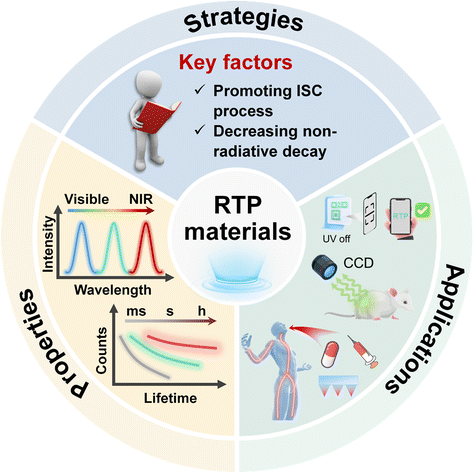
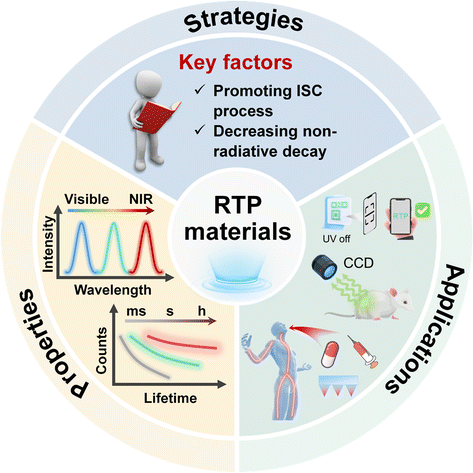
Advances in organic room-temperature phosphorescence: design strategies, photophysical mechanisms, and emerging applications

Yujie Yang, Qianqian Li and Zhen Li

Mater. Chem. Front., 2025,9, 744-753
https://doi.org/10.1039/D4QM01032A

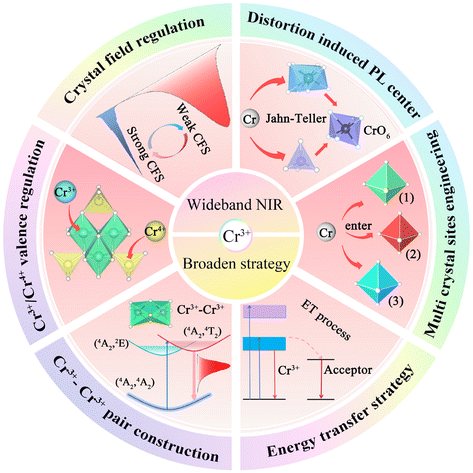
Strategies for broadening the emission spectra of Cr³⁺-doped near-infrared emitting phosphors

Changheng Chen, Jiwen Chang, Renze Chen, Ruibo Gao, Yiqing Wang, Kexin Zhu, Jinmeng Xiang and Chongfeng Guo

Mater. Chem. Front., 2025,9, 1821-1838
https://doi.org/10.1039/D4QM01109K

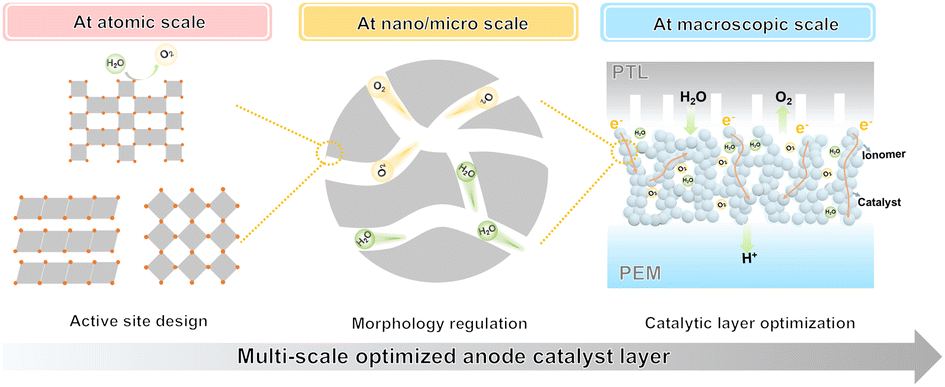
Multiscale engineering of anode catalyst layers in proton exchange membrane water electrolyzers

Qianqian Liu, Yanfei Wang, Xiao Liang, Hui Chen and Xiaoxin Zou

Mater. Chem. Front., 2025,9, 30-44
https://doi.org/10.1039/D4QM00842A

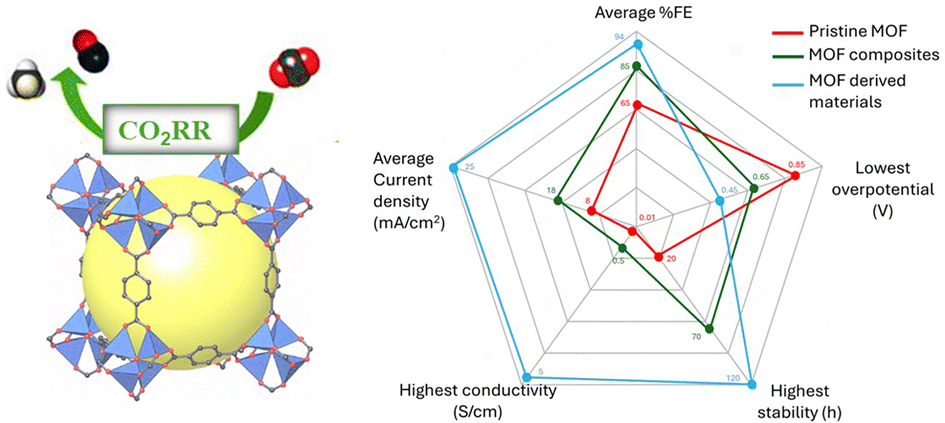
MOF electrocatalysts in CO₂ conversion: critical analysis of research trends, challenges and prospects

Oriyomi Ogunbanjo, Paramaconi Rodríguez and Paul Anderson

Mater. Chem. Front., 2025,9, 1650-1680
https://doi.org/10.1039/D4QM01060D

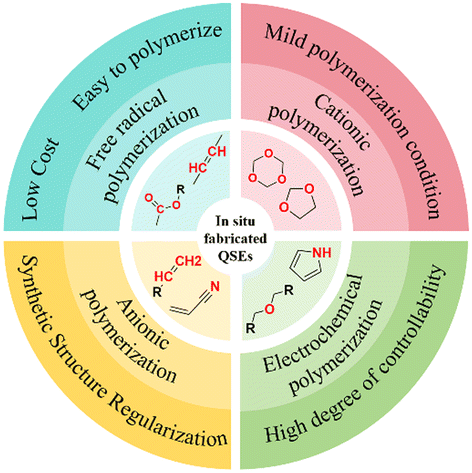
In situ polymerization-driven quasi-solid electrolytes for Li-metal batteries

Jinxuan Liu, Yinglei Wu, Zhenying Chen, Zhixin Xu, Jinhui Zhu and Xiaodong Zhuang

Mater. Chem. Front., 2025,9, 1971-1996
https://doi.org/10.1039/D5QM00116A

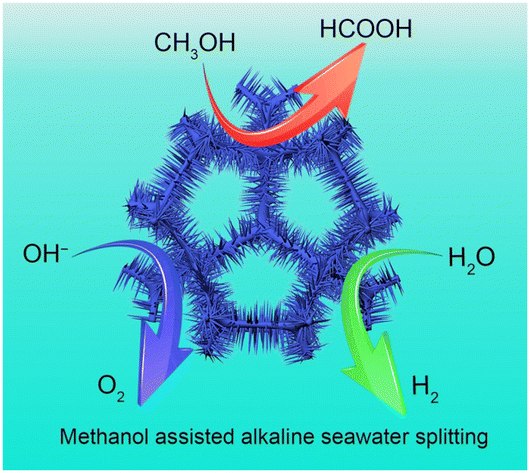
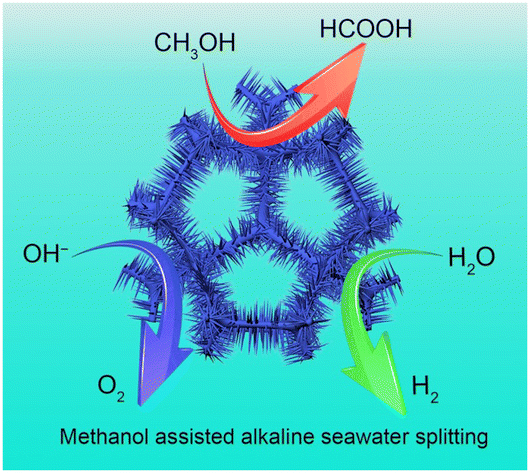
Construction of a CoP/MnP/Cu₃P heterojunction for efficient methanol oxidation-assisted seawater splitting

Weijia Liu, Min Zhou, Jingwen Zhang, Wenxian Liu, Doudou Qin, Qian Liu, Guangzhi Hu and Xijun Liu

Mater. Chem. Front., 2025,9, 953-964
https://doi.org/10.1039/D4QM01067A

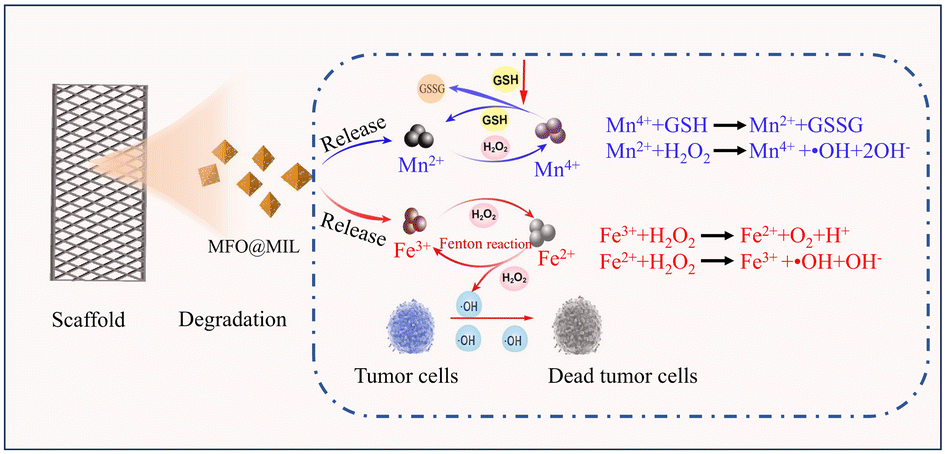
Persistent glutathione-depleting MFO@MIL nanoreactors enhance the antitumor efficiency of a skin scaffold

Wenjing Yang, Yibing Ji, Lang Li, Chenhang Ding, Wurikaixi Aiyiti, Feilong Xiong and Cijun Shuai

Mater. Chem. Front., 2025,9, 1249-1258
https://doi.org/10.1039/D4QM01014K

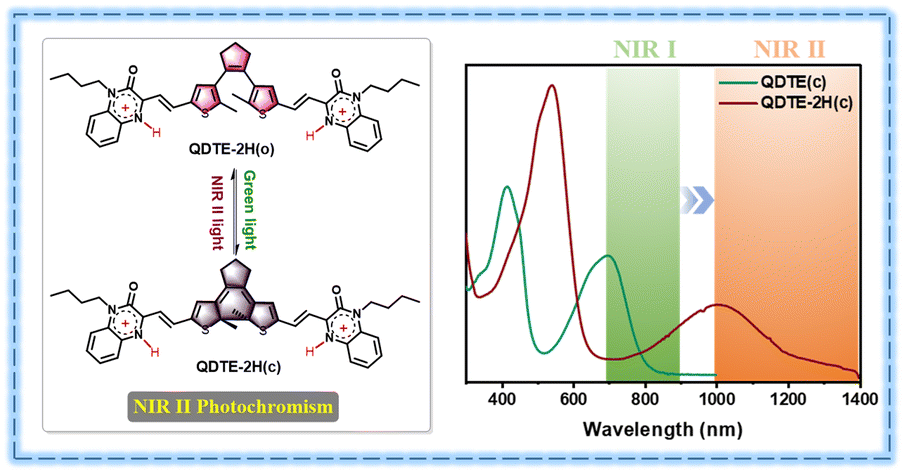
Near-infrared II photochromic behavior triggered by green light in an in situ protonated dithienylethene functionalized by quinoxalinone moieties

Ziyong Li, Jinzhao Song, Qilian Wang, Yongliang Feng, Qingxin Song, Sixin Wang, Qianqian Nie, Fan He, Haining Zhang and Hui Guo

Mater. Chem. Front., 2025,9, 234-242
https://doi.org/10.1039/D4QM00719K

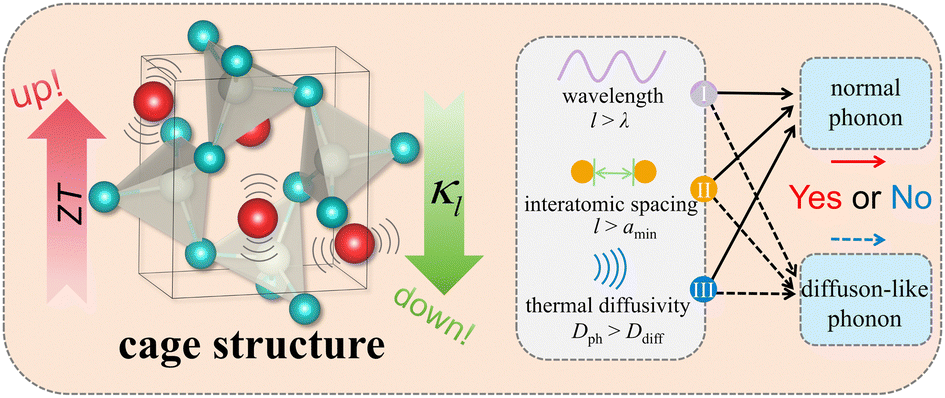
Dual role of lone pair electron and rattling vibration in Zintl phase BaCaPb thermoelectric material

Shuwei Tang, Pengfei Zhang, Da Wan, Xiaodong Li, Peng Ai, Zhiwei Zhang, Wanrong Guo, Shulin Bai and Xiuling Qi

Mater. Chem. Front., 2025,9, 592-607
https://doi.org/10.1039/D4QM00972J

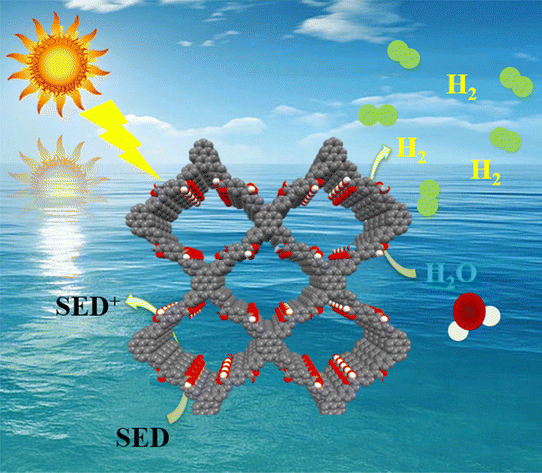
Design of donor–acceptor covalent organic frameworks for photocatalytic hydrogen generation

Amit Nagar, Gulshan Singh, Akhtar Alam, Pradip Pachfule and C. M. Nagaraja

Mater. Chem. Front., 2025,9, 1421-1430
https://doi.org/10.1039/D5QM00074B

Digg This
Reddit This
Stumble Now!
Share on Facebook
Bookmark this on Delicious
Share on LinkedIn
Bookmark this on Technorati
Post on Twitter
Google Buzz (aka. Google Reader)

Explore the Highly Cited Articles in Materials Chemistry Frontiers

We are delighted to highlight the following highly cited research articles published in Materials Chemistry Frontiers since 2023. We hope you enjoy reading them.

Construction of a CoP/MnP/Cu3P heterojunction for efficient methanol oxidation-assisted seawater splitting

Weijia Liu, Min Zhou, Jingwen Zhang, Wenxian Liu, Doudou Qin, Qian Liu, Guangzhi Hu and Xijun Liu

Mater. Chem. Front., 2025,9, 953-964
https://doi.org/10.1039/D4QM01067A

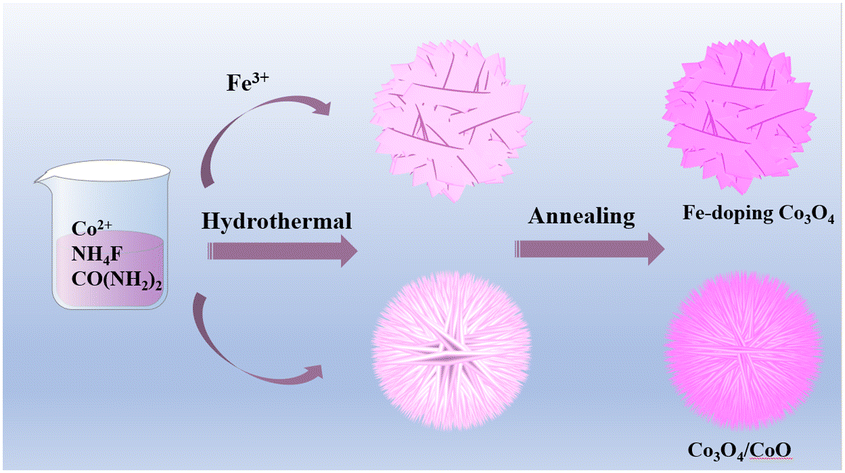
Nanosheet floral clusters of Fe-doped Co3O4 for high-performance supercapacitors

Congcong Lu, Yu Yang, Songjun Lia and Maiyong Zhu

Mater. Chem. Front., 2024,8, 2282-2292
https://doi.org/10.1039/D4QM00170B

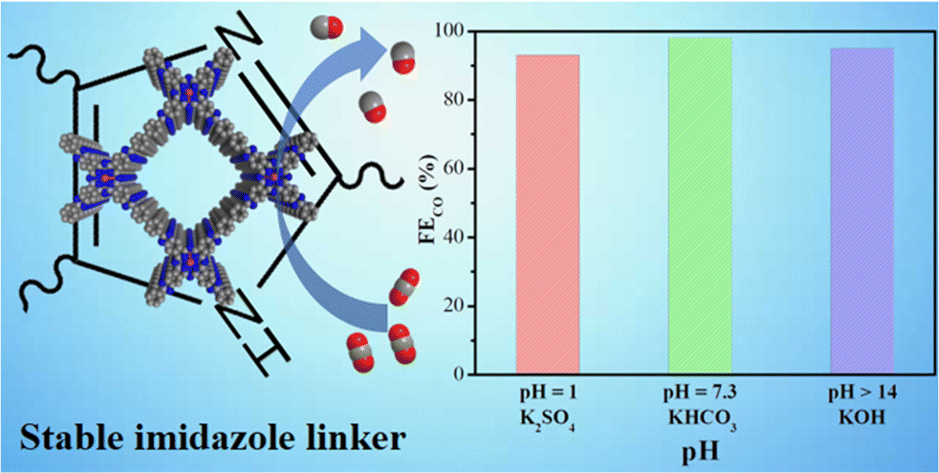
Robust imidazole-linked Ni-phthalocyanine-based covalent-organic framework for CO2 electroreduction in the full pH range

Xu Yang, Duan-Hui Si, Hong-Fang Li, Rong Cao and Yuan-Biao Huang

Mater. Chem. Front., 2024,8, 1611-1618
https://doi.org/10.1039/D3QM01190A

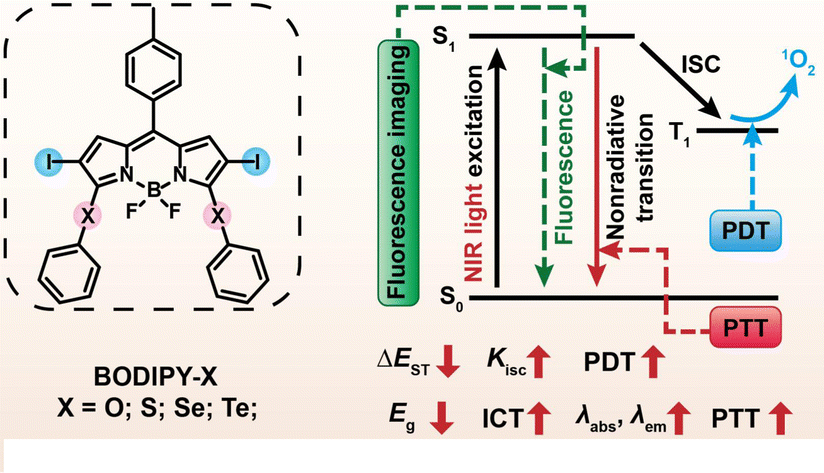
Chalcogen modification: one-step strategy for tuning the photophysical properties and NIR phototherapy of iodinated BODIPY

Hongyi Liu, Hui Li, Wen Li, Jinjin Zhang, Jingtao Ye, Shenglong Liao, Yang Li and Shouchun Yin

Mater. Chem. Front., 2024,8, 3308-3320
https://doi.org/10.1039/D4QM00508B

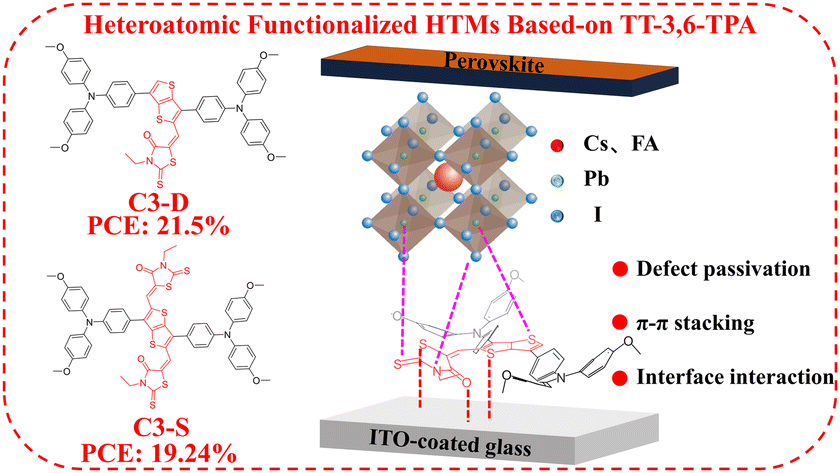
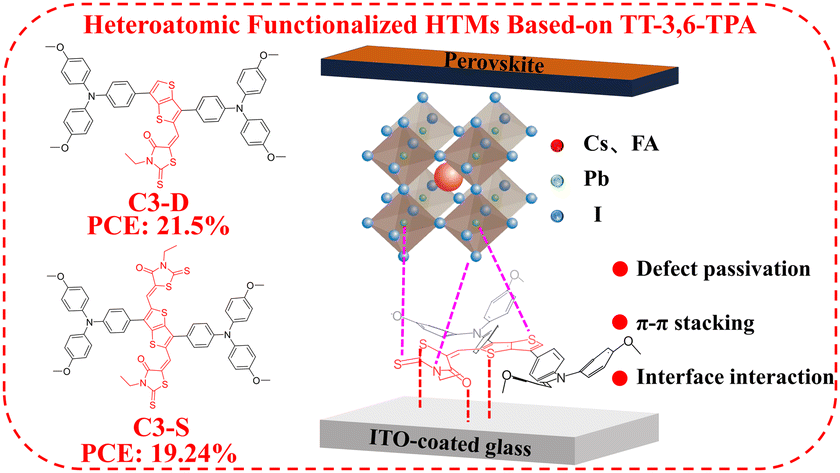
High performance inverted planar perovskite solar cells enhanced by heteroatomic functionalized hole transport materials

Zheng Xie, Yuheng Li, Xuehui Li, Yizhen Fang, Jinrui Chang, Qiong Yang, Xiaowen Sun, Chunyang Miao, Gang Lu, Zhangxin Chen, Gongqiang Li, Yanxian Jin, Zhoulu Wang and Xiong Li

Mater. Chem. Front., 2024,8, 2764-2774
https://doi.org/10.1039/D4QM00417E

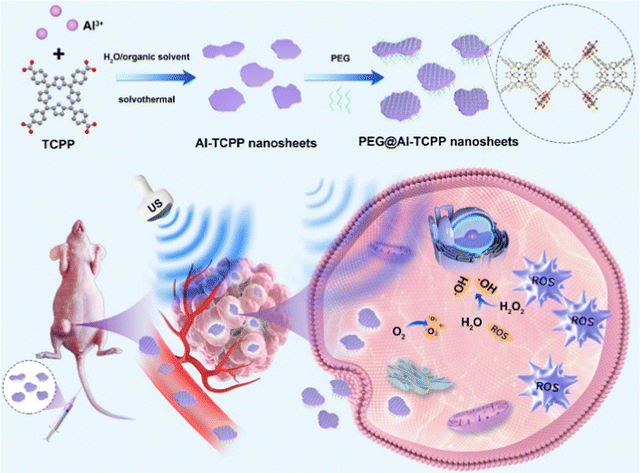
Facile synthesis of 2D Al-TCPP MOF nanosheets for efficient sonodynamic cancer therapy

Zhan Zhou, Tao Wang, Tingting Hu, Chunhua Cheng, Shilong Yu, Hai Li, Shuyan Liu, Lufang Ma, Meiting Zhao, Ruizheng Liang and Chaoliang Tan

Mater. Chem. Front., 2023,7, 1684-1693
https://doi.org/10.1039/D2QM01333A

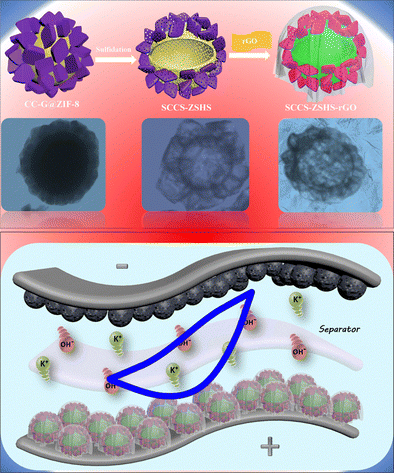
Engineering raspberry-like CuCo2S4@ZnS hollow particles encapsulated with reduced graphene oxide for hybrid supercapacitors

Bahareh Ameri, Akbar Mohammadi Zardkhoshoui and Saied Saeed Hosseiny Davarani

Mater. Chem. Front., 2023,7, 3127-3145
https://doi.org/10.1039/D3QM00212H

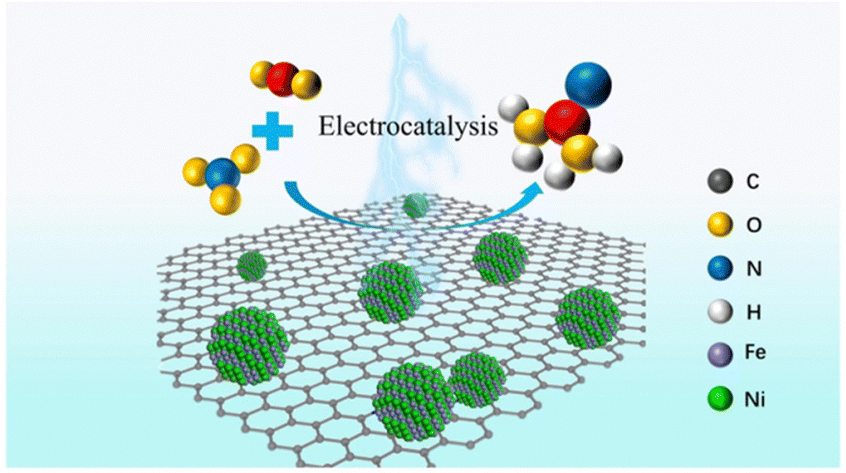
FeNi3 nanoparticles for electrocatalytic synthesis of urea from carbon dioxide and nitrate

Tong Hou, Junyang Ding, Hao Zhang, Shanshan Chen, Qian Liu, Jun Luo and Xijun Liu

Mater. Chem. Front., 2023,7, 4952-4960
https://doi.org/10.1039/D3QM00627A

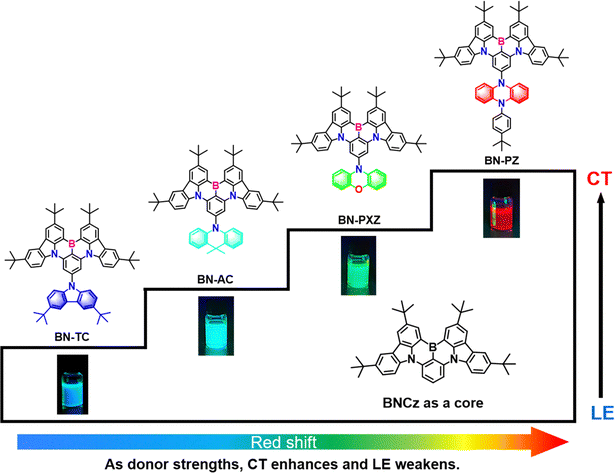
Red-shift emission and rapid up-conversion of B,N-containing electroluminescent materials via tuning intramolecular charge transfer

Yi-Hui He, Feng-Ming Xie, Hao-Ze Li, Kai Zhang, Yang Shen, Feng Ding, Cheng-Yuan Wang, Yan-Qing Li and Jian-Xin Tang

Mater. Chem. Front., 2023,7, 2454-2463
https://doi.org/10.1039/D3QM00131H

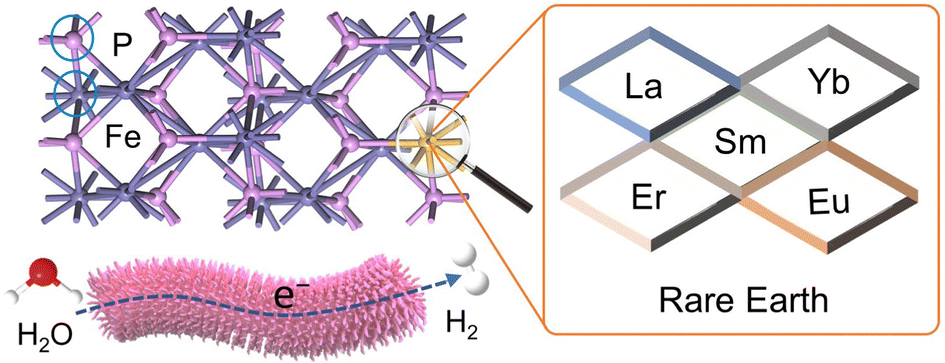
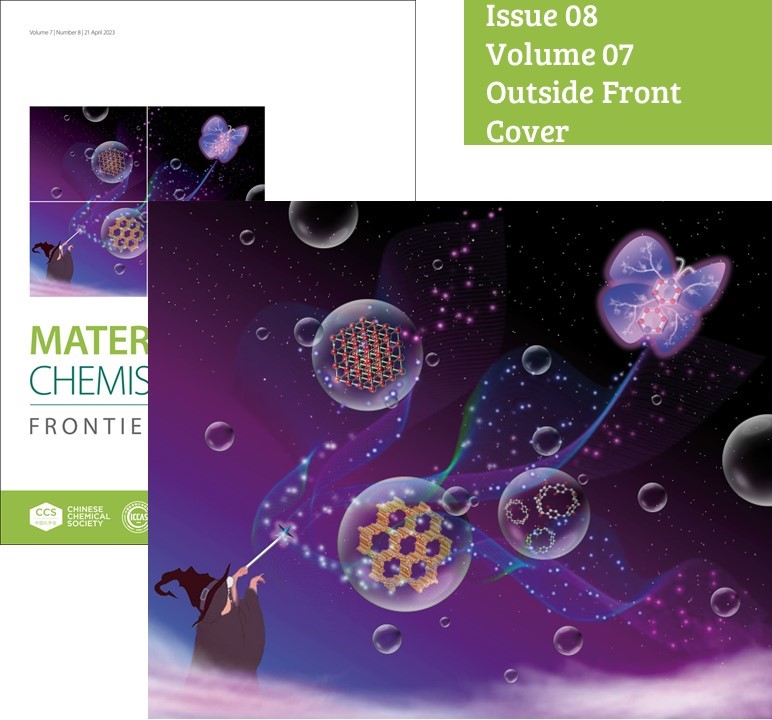
Universal synthesis of rare earth-doped FeP nanorod arrays for the hydrogen evolution reaction

Minnan Chen, Zijing Lin, Yi Ren, Xuan Wang, Meng Li, Dongmei Sun, Yawen Tang and Gengtao Fu

Mater. Chem. Front., 2023,7, 4132-4141
https://doi.org/10.1039/D3QM00516J

Digg This
Reddit This
Stumble Now!
Share on Facebook
Bookmark this on Delicious
Share on LinkedIn
Bookmark this on Technorati
Post on Twitter
Google Buzz (aka. Google Reader)

Explore the Highly Cited Articles in Materials Chemistry Frontiers

We are delighted to highlight the following highly cited review articles published in Materials Chemistry Frontiers since 2023. We hope you enjoy reading them.

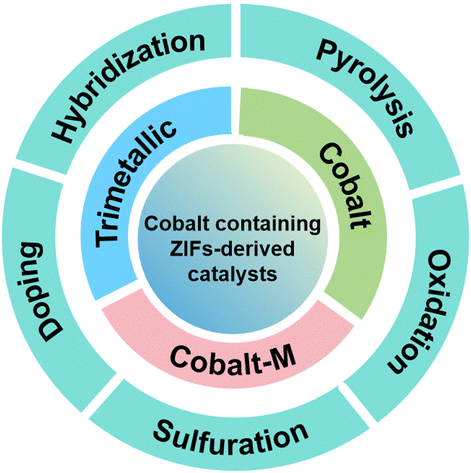
Cobalt-containing ZIF-derived catalysts for Zn–air batteries

Yansheng Fan, Wenhui Wang, Yixin Chen, Zhenyi Xu, Dongming Cai, Miao Xu and Rui Tong

Mater. Chem. Front., 2024,8, 2394-2419
https://doi.org/10.1039/D4QM00169A

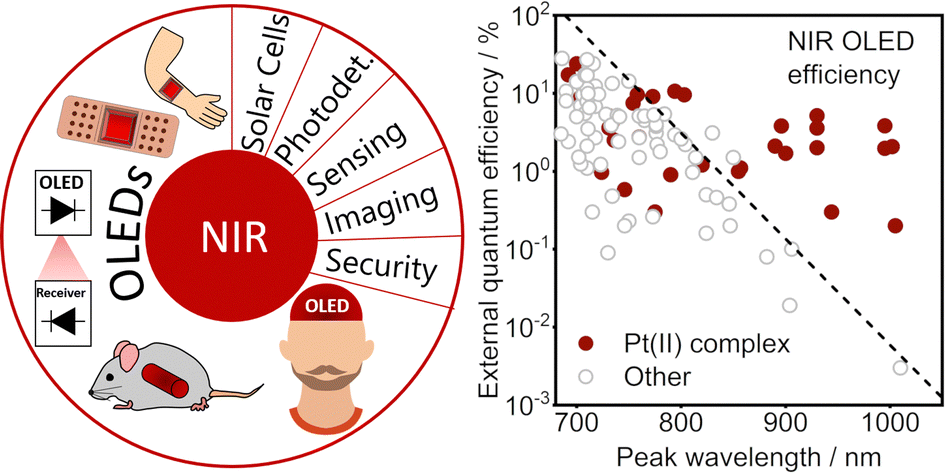
Recent advances in highly-efficient near infrared OLED emitters

Paloma L. dos Santos, Patrycja Stachelek, Youhei Takeda and Piotr Pander

Mater. Chem. Front., 2024,8, 1731-1766
https://doi.org/10.1039/D3QM01067H

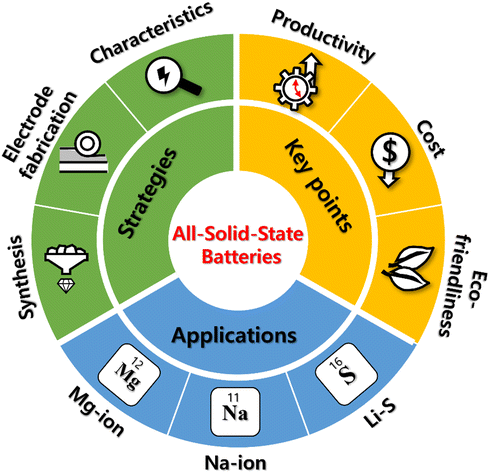
Recent advances in all-solid-state batteries for commercialization

Junghwan Sung, Junyoung Heo, Dong-Hee Kim, Seongho Jo, Yoon-Cheol Ha, Doohun Kim, Seongki Ahn and Jun-Woo Park

Mater. Chem. Front., 2024,8, 1861-1887
https://doi.org/10.1039/D3QM01171B

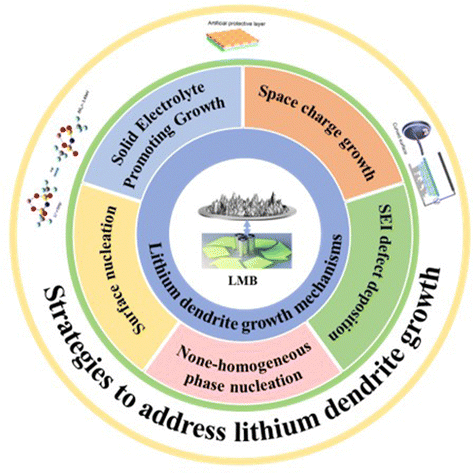
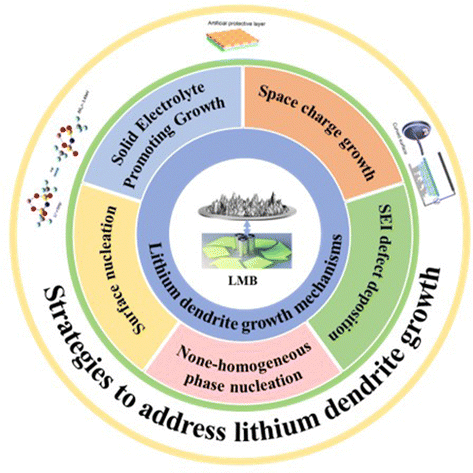
Mechanism and solutions of lithium dendrite growth in lithium metal batteries

Yafei Huang, Haotian Yang, Yan Gao, Guorong Chen, Yan Li, Liyi Shi and Dengsong Zhang

Mater. Chem. Front., 2024,8, 1282-1299
https://doi.org/10.1039/D3QM01151H

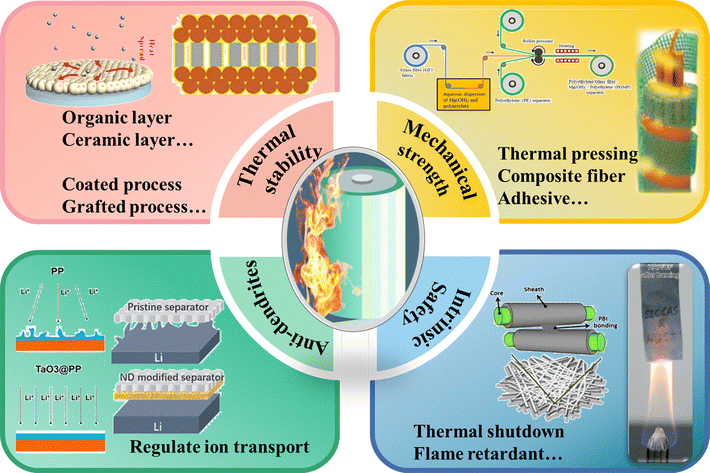
Towards separator safety of lithium-ion batteries: a review

Boli Tong and Xifei Li

Mater. Chem. Front., 2024,8, 309-340
https://doi.org/10.1039/D3QM00951C

Advances in organic room-temperature phosphorescence: design strategies, photophysical mechanisms, and emerging applications

Yujie Yang, Qianqian Li and Zhen Li

Mater. Chem. Front., 2025,9, 744-753
https://doi.org/10.1039/D4QM01032A

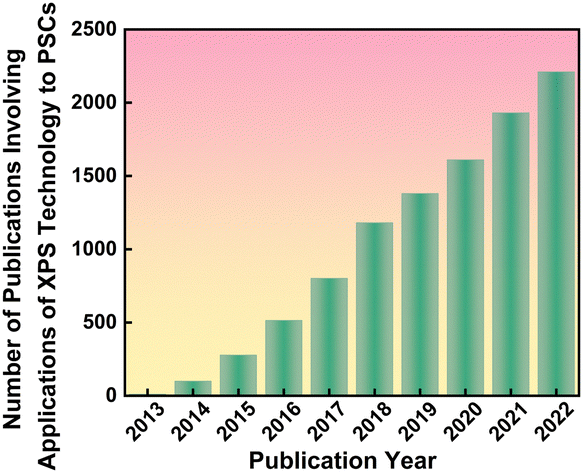
Lessons learned: how to report XPS data incorrectly about lead-halide perovskites

Chi Li, Ni Zhang and Peng Gao
Mater. Chem. Front., 2023,7, 3797-3802
https://doi.org/10.1039/D3QM00574G

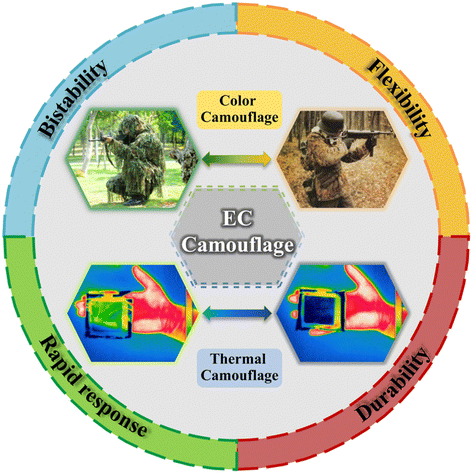
Recent advances in electrochromic materials and devices for camouflage applications

Haichang Fu, Ling Zhang, Yujie Dong, Cheng Zhang and Weijun Li

Mater. Chem. Front., 2023,7, 2337-2358
https://doi.org/10.1039/D3QM00121K

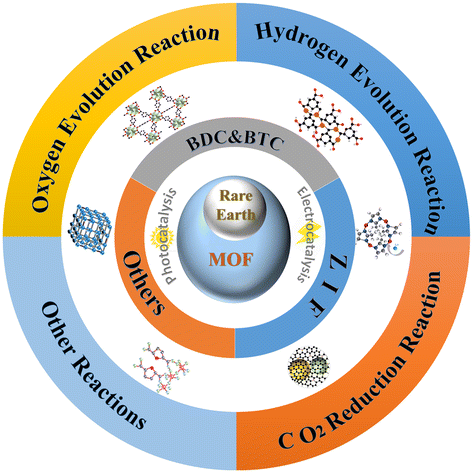
Rare earth-based MOFs for photo/electrocatalysis

Senyao Meng, Ge Li, Ping Wang, Miao He, Xiaohua Sun and Zhenxing Li

Mater. Chem. Front., 2023,7, 806-827
https://doi.org/10.1039/D2QM01201D

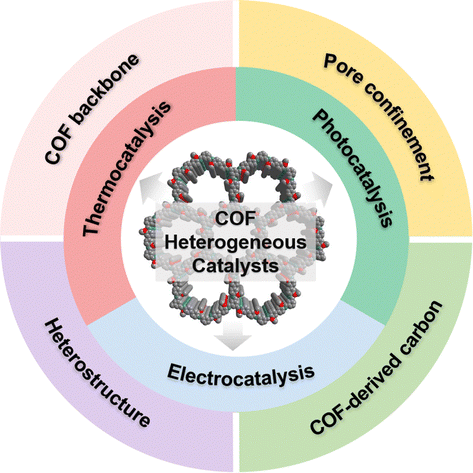
Covalent organic frameworks in heterogeneous catalysis: recent advances and future perspective

Ziad Alsudairy, Normanda Brown, Allea Campbell, Abrianna Ambus, Bianca Brown, Kayla Smith-Petty and Xinle Li

Mater. Chem. Front., 2023,7, 3298-3331
https://doi.org/10.1039/D3QM00188A

Digg This
Reddit This
Stumble Now!
Share on Facebook
Bookmark this on Delicious
Share on LinkedIn
Bookmark this on Technorati
Post on Twitter
Google Buzz (aka. Google Reader)

2024 Materials Chemistry Frontiers Most-Popular Articles

To celebrate the Year of the Snake, we are delighted to highlight some of the most popular articles published in Materials Chemistry Frontiers by corresponding authors based in celebrating the Chinese New Year.

We hope you enjoy reading these articles and wish you a happy and prosperous year of the Snake.

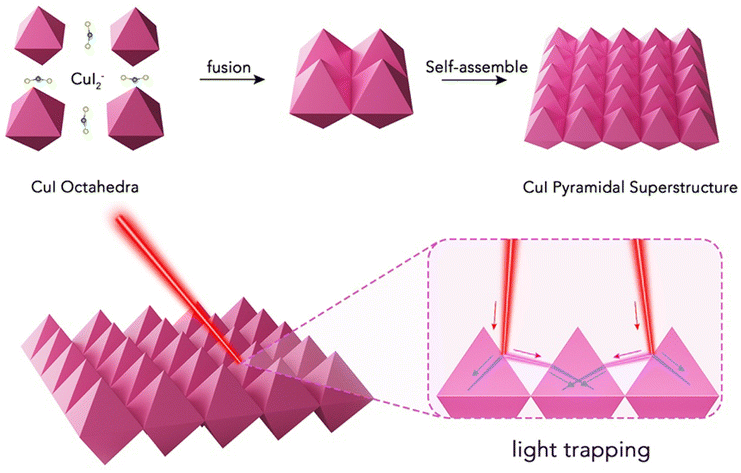
“Delocalized π-bond” guided pyramidal nanocrystal superstructures for excellent light trapping in SERS

Yang Shang, Bo Ren, Xiaotian Wang and Jie Lin

Mater. Chem. Front., 2025,9, 65-73
https://doi.org/10.1039/D4QM00576G

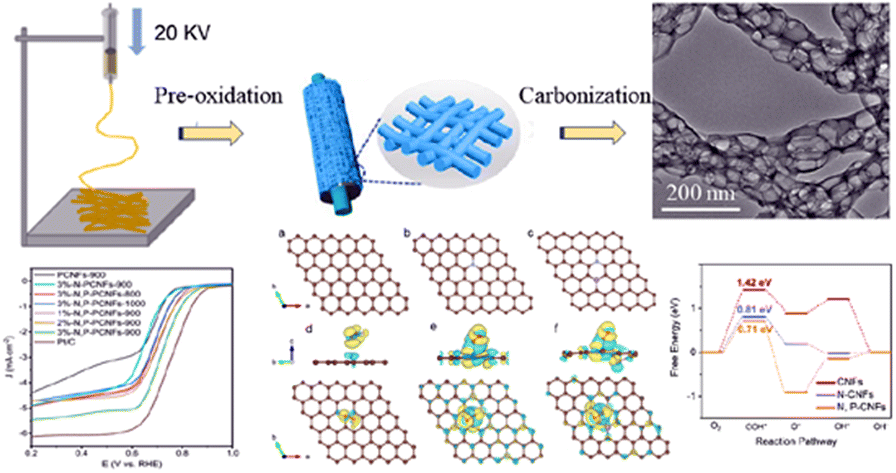
Carbon dot hybrid porous carbon nanofibers as efficient electrocatalysts for the oxygen reduction reaction

Hongwu Yuan, Penghuan Liu, Jun Ren, Zhan Jiang, Xiaohan Wang and Haiguang Zhao

Mater. Chem. Front., 2024,8, 1643-1650
https://doi.org/10.1039/D3QM01064C

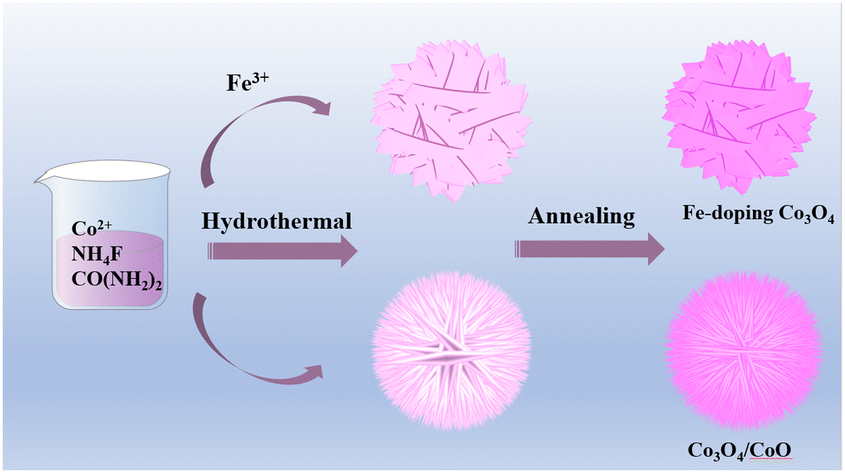
Nanosheet floral clusters of Fe-doped Co3O4 for high-performance supercapacitors

Congcong Lu, Yu Yang, Songjun Lia and Maiyong Zhu

Mater. Chem. Front., 2024,8, 2282-2292
https://doi.org/10.1039/D4QM00170B

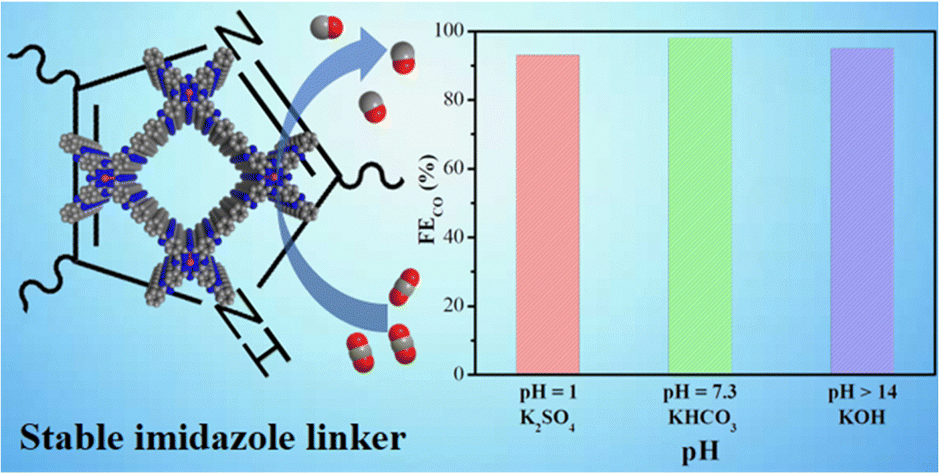
Robust imidazole-linked Ni-phthalocyanine-based covalent-organic framework for CO2 electroreduction in the full pH range

Xu Yang, Duan-Hui Si, Hong-Fang Li, Rong Cao and Yuan-Biao Huang

Mater. Chem. Front., 2024,8, 1611-1618
https://doi.org/10.1039/D3QM01190A

High performance inverted planar perovskite solar cells enhanced by heteroatomic functionalized hole transport materials

Zheng Xie, Yuheng Li, Xuehui Li, Yizhen Fang, Jinrui Chang, Qiong Yang, Xiaowen Sun, Chunyang Miao, Gang Lu, Zhangxin Chen, Gongqiang Li, Yanxian Jin, Zhoulu Wang and Xiong Li

Mater. Chem. Front., 2024,8, 2764-2774
https://doi.org/10.1039/D4QM00417E

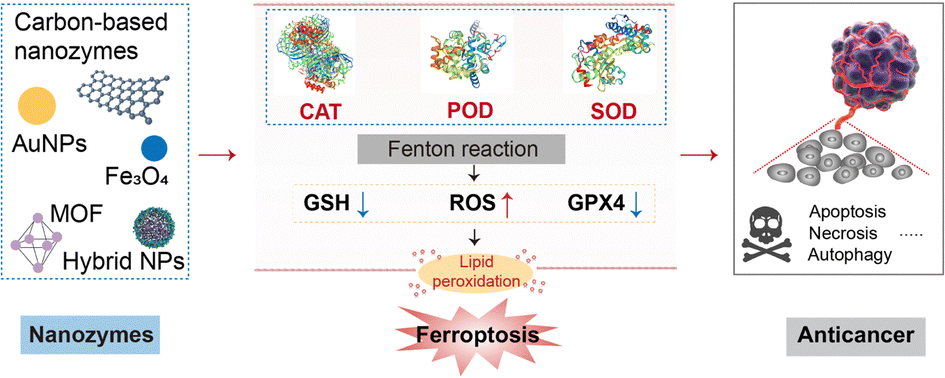
Nanozyme-enhanced ferroptosis for cancer treatment

Yue Ming, Mingshu Huang, Yisheng Huang, Danqing Liu, Min Sun, Bo Jia and Jianzhong Du

Mater. Chem. Front., 2024,8, 1685-1702
https://doi.org/10.1039/D3QM01202F

Mechanism and solutions of lithium dendrite growth in lithium metal batteries

Yafei Huang, Haotian Yang, Yan Gao, Guorong Chen, Yan Li, Liyi Shi and Dengsong Zhang
Mater. Chem. Front., 2024,8, 1282-1299
https://doi.org/10.1039/D3QM01151H

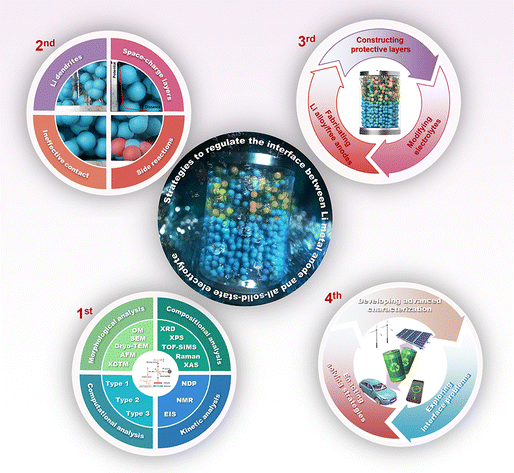
Strategies to regulate the interface between Li metal anodes and all-solid-state electrolytes
Yi Peng, Xiaosong Xiong, Weijia Fan, Wanjie Gao, Xinbing Cheng, Jiarui He, Lijun Fu, Teunis van Ree, Tao Wang and Yuping Wu

Mater. Chem. Front., 2024,8, 1421-1450
https://doi.org/10.1039/D3QM01023F

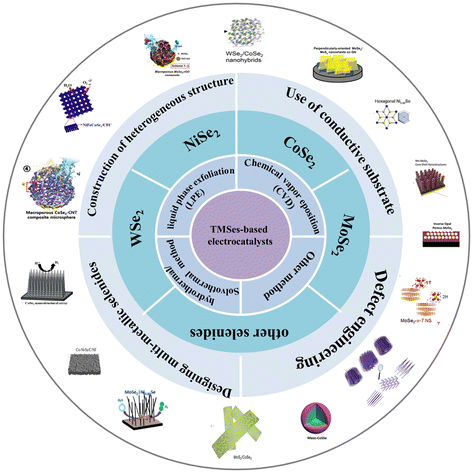
Rational design and application of electrocatalysts based on transition metal selenides for water splitting

Haiyan Xiang, Qizhi Dong, Meiqing Yang and Song Liu

Mater. Chem. Front., 2024,8, 1888-1926
https://doi.org/10.1039/D4QM00021H

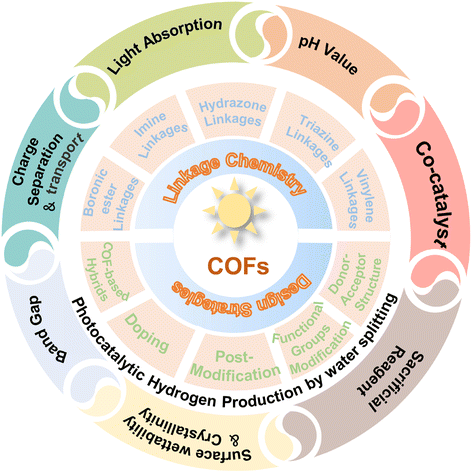
Recent progress on covalent organic frameworks for photocatalytic hydrogen generation via water splitting

Shan-Shan Zhu, Zhenwei Zhang, Zhongping Li and Xiaoming Liu 

Mater. Chem. Front., 2024,8, 1513-1535
https://doi.org/10.1039/D3QM00965C

Digg This
Reddit This
Stumble Now!
Share on Facebook
Bookmark this on Delicious
Share on LinkedIn
Bookmark this on Technorati
Post on Twitter
Google Buzz (aka. Google Reader)

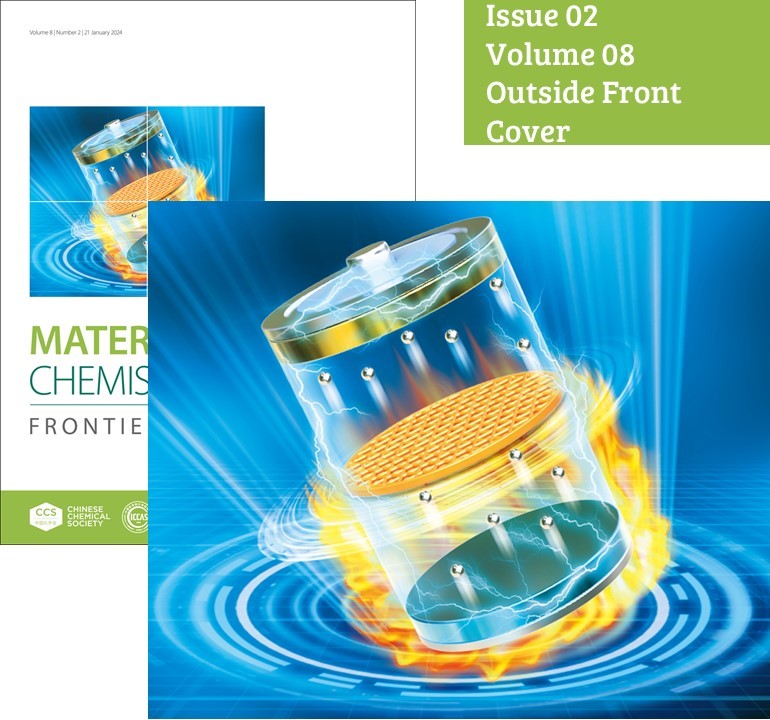
Materials Chemistry Frontiers Best Covers of 2024

We are proud to announce the three best covers of Materials Chemistry Frontiers in 2024! The awarded works were chosen by our readers through a worldwide vote. To learn more about the science behind the winning pieces, read for free the cover stories up until 03 February 2025. 

 
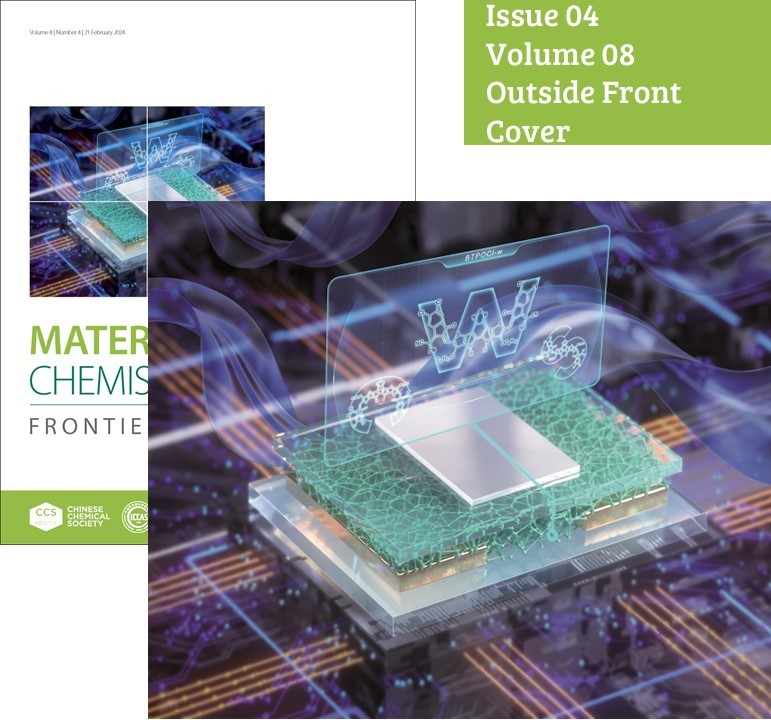
Zekun Chen, Zeng Wu, Yuzhong Chen, Shuixin Zhang, Zhen Jiang, Wenhao Li, Yan Zhao, Yang Wang and Yunqi Liu
Mater. Chem. Front., 2024, 8, 1101-1111
https://doi.org/10.1039/D3QM01189E
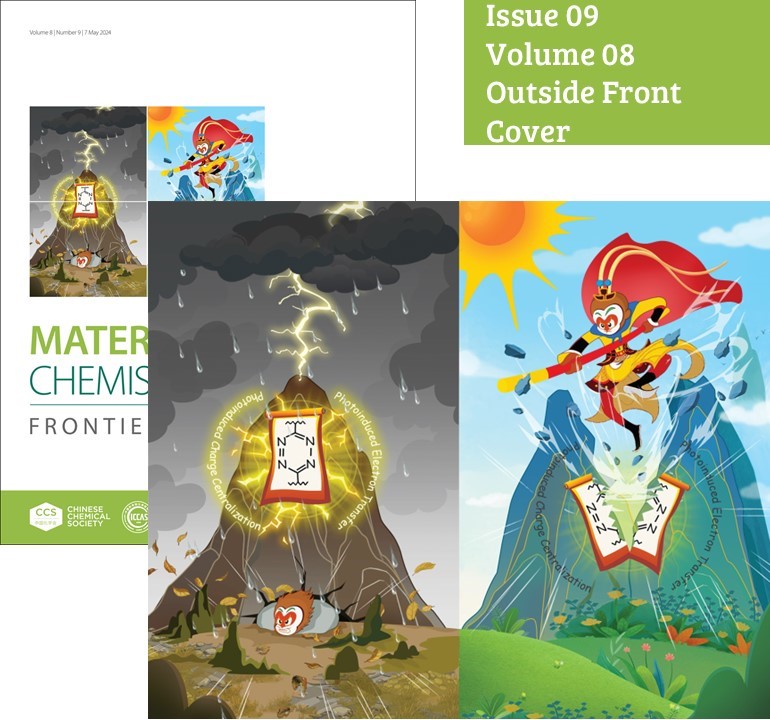
Tianruo Shen, Xin Li and Xiaogang Liu
Mater. Chem. Front., 2024, 8, 2135-2141
https://doi.org/10.1039/D3QM01217D
Boli Tong and Xifei Li
Mater. Chem. Front., 2024, 8, 309-340
https://doi.org/10.1039/D3QM00951C

Congratulations to the winners!

We would like to express our sincere appreciation for all the support and contribution from our authors, reviewers, and readers during 2024.

Looking forward to receiving your high-quality work in 2025.

Digg This
Reddit This
Stumble Now!
Share on Facebook
Bookmark this on Delicious
Share on LinkedIn
Bookmark this on Technorati
Post on Twitter
Google Buzz (aka. Google Reader)

Materials Chemistry Frontiers Early Career Advisory Board – Open for Nominations

We are delighted to announce that we are now eagerly welcoming nominations for our inaugural Early Career Advisory Board of Materials Chemistry Frontiers. This initiative aims to provide a direct channel for engaging with early-career researchers, supporting their professional development, and infusing our journal with fresh innovative perspectives from the younger generation.

We warmly invite you to nominate emerging investigators to the board or encourage your colleagues to self-nominate before 31 July 2024.

Role of the Early Career Advisory Board

At Materials Chemistry Frontiers, we value the voices of early-career researchers. Joining the board, you will be part of a dynamic group of emerging investigators, helping shape the future of a leading materials chemistry journal and benefiting from networking opportunities with the journal’s Editorial and Advisory Board members.

Your insights will be invaluable as you provide feedback on the journal’s scientific standards, suggest emerging topics and researchers worth featuring, and contribute to promotional and visibility initiatives within your community.

Terms of Service

Normally, members of the Early Career Advisory Board will serve a term of two years, with the possibility of reappointment for a maximum of two consecutive terms.

Eligibility
  • Nominations are open to researchers of any nationality from academia or industry.
  • Candidates should typically be under 40 years old and have obtained an academic faculty position or equivalent. Appropriate consideration will be given to those who have taken a career break, followed a different career path or research evaluation system.
  • Candidates should possess prior experience in publishing articles in reputable academic journals.
  • Candidates should demonstrate a commitment to advancing materials chemistry through developing high-quality journals.
How to Nominate

Please email the following information to MaterChemFrontiersED@rsc.org for your nominations.

Self-nominations are very welcome. If you are interested in joining our Early Career Advisory Board, please provide:

  • An up-to-date CV which highlights your engagements in academic activities (representative publications, conferences participation etc.) and services to the wider community (journals, societies, etc.)
  • Any supplementary materials, such as a personal statement and reference letters.

To nominate someone else, please provide:

  • Candidate’s name, position, affiliation, website URL and contact details, along with a brief description of the candidate’s research contribution and community engagement
  • Nominator’s name, position, affiliation and contact details
  • Any supporting materials, such as an up-to-date CV of the candidate
Selection Criteria

Editorial Board of the journal will consider the following aspects of all nominations as appropriate:

  • Profile within institute and/or community
  • Involvement in community and advocacy activities
  • Area and quality of research
  • Motivation to join the Early Career Advisory Board

We look forward to receiving your nominations!

Kind Regards,

Professor Shu-Hong Yu
Editor-in-Chief, Materials Chemistry Frontiers
Southern University of Science and Technology

Dr Wenjun Liu
Executive Editor, Materials Chemistry Frontiers
Royal Society of Chemistry

Digg This
Reddit This
Stumble Now!
Share on Facebook
Bookmark this on Delicious
Share on LinkedIn
Bookmark this on Technorati
Post on Twitter
Google Buzz (aka. Google Reader)

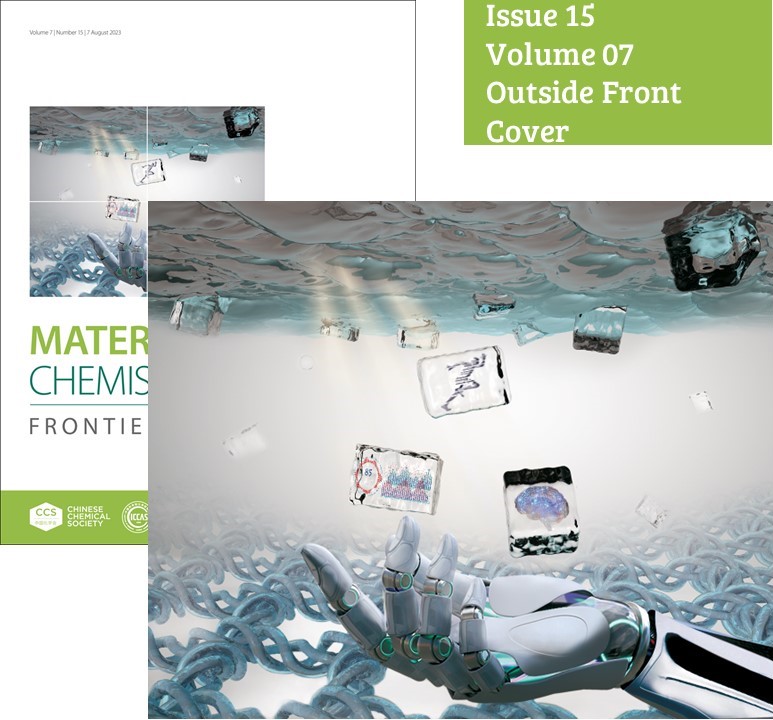
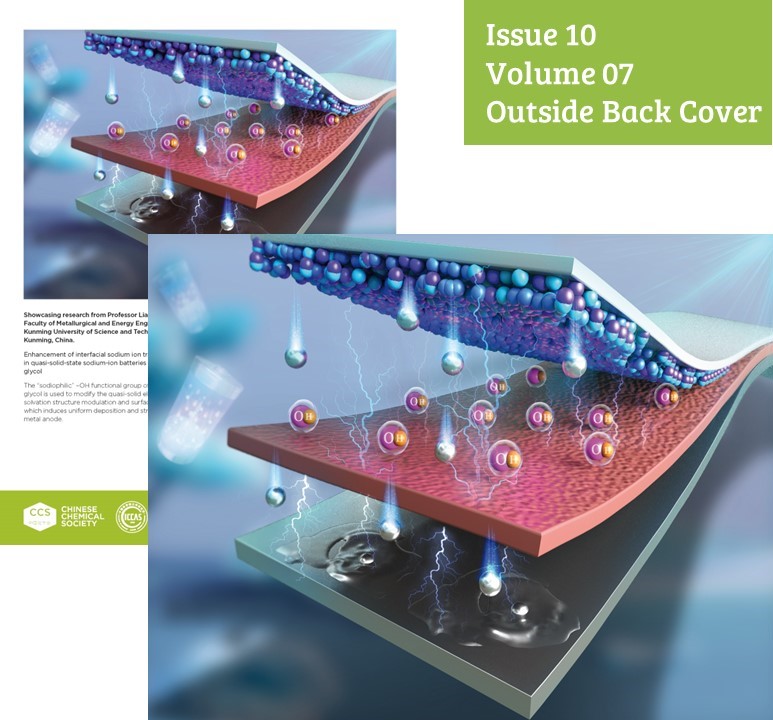
Materials Chemistry Frontiers Best Covers of 2023

We are proud to announce the three best covers of Materials Chemistry Frontiers in 2023! The awarded works were chosen by our readers through a worldwide vote. To learn more about the science behind the winning pieces, read the cover articles below for free until 29 February 2024. 

Functional conductive hydrogels: from performance to flexible sensor applications

Quancai Li, Bin Tian, Jing Liang and Wei Wu *
Mater. Chem. Front., 2023, 7, 2925-2957


Enhancement of interfacial sodium ion transport stability in quasi-solid-state sodium-ion batteries using polyethylene glycol

Minjie Hou, Jie Zi, Lanqing Zhao, Yingjie Zhou, Fupeng Li, Zhipeng Xie, Da Zhang, Bin Yang and Feng Liang *
Mater. Chem. Front., 2023, 7, 2027-2037

Xin Li, Jie Yang * and Ying-Wei Yang *
Mater. Chem. Front., 2023, 7, 1463-1481


Congratulations to the winners!

We would like to express our sincere appreciation for all the support and contribution from our authors, reviewers, and readers during 2023.

Looking forward to receiving your high-quality work in 2024.

Happy New Year!

Digg This
Reddit This
Stumble Now!
Share on Facebook
Bookmark this on Delicious
Share on LinkedIn
Bookmark this on Technorati
Post on Twitter
Google Buzz (aka. Google Reader)

Emerging Investigator: Gengtao Fu at Nanjing Normal University

Emerging Investigator: Gengtao Fu

Position          Professor

Postdoc          2019–2021  The University of Texas at Austin (USA)

                       2017–2019  Nanyang Technological University (Singapore)

Education       2014–2017  Nanjing Normal University                  Ph.D.

                       2011–2014  Nanjing Normal University                  M.Sc.

ORCID           0000-0003-0411-645X                        Google Scholar

Read Gengtao Fu’s Emerging Investigator Series article in Materials Chemistry Frontiers and learn more about him.

     
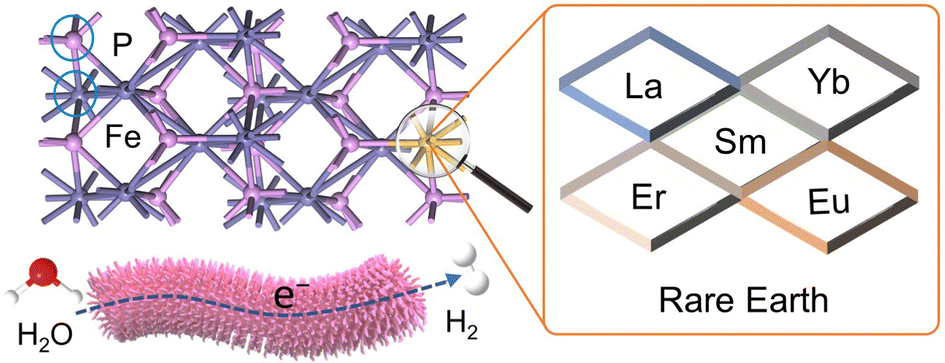
  Universal synthesis of rare earth-doped FeP nanorod arrays for the hydrogen evolution reaction  


A universal plasma-assisted strategy is proposed for the fabrication of rare earth-doped FeP as a kind of potential electrocatalyst for the hydrogen evolution reaction.


  From the themed collection: Frontiers Emerging Investigator Series  
  The article was first published on 06 Jul 2023  
  Mater. Chem. Front., 2023, 7, 4132-4141  
  https://doi.org/10.1039/D3QM00516J  
     

My research interests

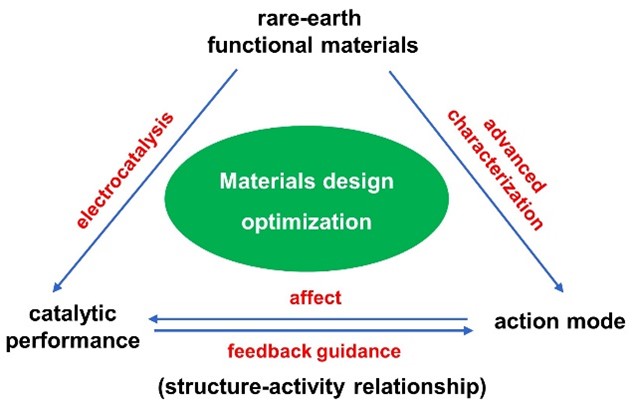
Key words: energy storage and conversion, electrocatalysis, rare-earth functional materials, catalytic mechanism
My research interests focus on the rational design and the synthesis of advanced rare-earth functional materials for electrocatalysis, electrochemical energy storage, and conversion. Particularly, I have made great efforts in solving the difficult doping of rare earth elements uniformly in transition metals, ambiguous catalytic mechanisms, and undefined structure-activity relationships, to gradually realize the industrialization and marketization of rare-earth-doped transition metal electrocatalysts in energy conversion devices, such as fuel cells and rechargeable batteries.

10 Facts about me

I published my first academic article on the synthesis and catalytic properties of porous palladium nanospheres in Journal of Materials Chemistry in 2012. 

An accomplishment I’m particularly proud of is the pioneering work on identifying the active sites of rare-earth-based transition metal oxides towards electrocatalytic oxygen evolution, published in Advanced Materials, 2023.

The person who has had the greatest influence on my research career is my postdoctoral supervisor Prof. John B. Goodenough at The University of Texas at Austin.

I always feel lucky that my Ph.D. and M.S. advisors directed me to the cutting-edge research fields.

I received the first funding from the National Natural Science Foundation of China in 2021.

Good work depends not only on good ideas and results but also on great writing and logic skills.

I advise my students to develop abilities including diligence, strong will, and thinking independently, which are crucial to success in their beginning research career.

A recent epiphany: where there is a will there is a way.

It is my favorite time when I travel with my wife and lovely son.

Click to find out our Emerging Investigators and their work

Digg This
Reddit This
Stumble Now!
Share on Facebook
Bookmark this on Delicious
Share on LinkedIn
Bookmark this on Technorati
Post on Twitter
Google Buzz (aka. Google Reader)

Emerging Investigator: Yu Zhou at Nanjing Tech University

Emerging Investigator: Yu Zhou

Position               Professor

Visiting Scholar   2016  National University of Singapore

Education            2009–2012  Nanjing University                         Ph.D.

                            2006–2009  Nanjing University                         M.Sc.

Group Website    http://www.groupwangjun.com/

ORCID                 0000-0003-1757-3705

Read Yu Zhou’s Emerging Investigator Series article in Materials Chemistry Frontiers and learn more about him.

     
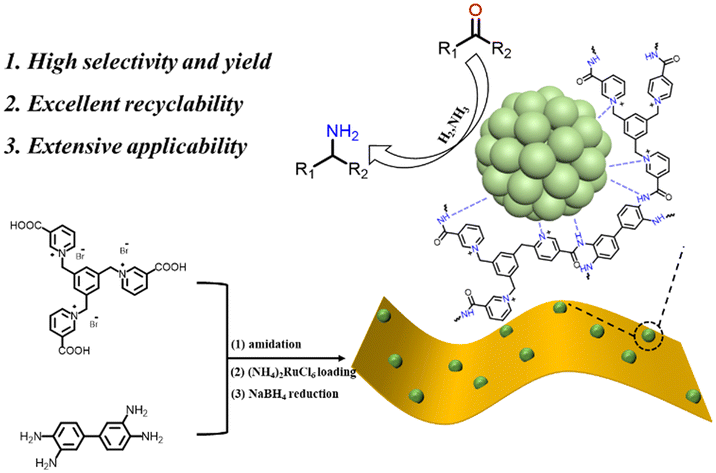
  Ionic polyamide boosting Ru efficiency in reductive amination of carbonyl compounds  


Ionic polyamide-stabilized ruthenium nanoparticles for ultra-efficient reductive amination of carbonyl compounds to primary amines with NH3 and H2.


  From the themed collection: Frontiers Emerging Investigator Series  
  The article was first published on 19 Mar 2023  
  Mater. Chem. Front., 2023, 7, 2266-2276  
  https://doi.org/10.1039/D2QM01234K  
     

My research interests

Key words: zeolite molecular sieves, ionic liquid-derived materials, heterogeneous catalysis, adsorption and separation, CO2 capture and conversion
Our research interests focus on the development of functional zeolite molecular sieves and their application in adsorption, separation and catalysis. We developed a unique acid co-hydrolysis route for the synthesis of metal-doped zeolites with varied topology, Si/Al molar ratio and different kinds of metal species such as single atoms, clusters, and nanoparticles. We developed various new synthetic routes for the construction of porous poly(ionic liquid)s, ionic metal–organic frameworks (MOFs), and ionic covalent organic frameworks (COFs). In addition, we evaluated the performance of these molecular sieves in CO2 capture and conversion, gas separation, biomass conversion, acid-base catalysis, oxidation and hydrogenation reactions, and photo-electrocatalysis.

10 Facts about me

I published my first academic article in Chem. Eur. J. in 2009. 

The most important academic article that I published was in Science in 2021.

I received the first funding from the National Natural Science Foundation of China in 2013.

My favourite sport is swimming.

I enjoy thinking freely.

One of my favourite activities is playing with my kids.

One of my hidden talents is my patience.

One thing I cannot live without is hope.

An accomplishment I’m particularly proud of is that I have two daughters.

I am most passionate about my work in exploring a new research field because it is full of unknowns, fulfilling my curiosity.

Click to find out our Emerging Investigators and their work

Digg This
Reddit This
Stumble Now!
Share on Facebook
Bookmark this on Delicious
Share on LinkedIn
Bookmark this on Technorati
Post on Twitter
Google Buzz (aka. Google Reader)