Archive for the ‘Nanoscale’ Category

The Changing Canvas of Nano themed collection in Nanoscale

Nanoscale is delighted to introduce a new themed collection “The Changing Canvas of Nano“. 


Explore the collection Read the Editorial


In the AsiaNano 2024 workshop, groundbreaking innovations in nanochemistry, nanomaterials, and nanotechnology were presented, with a special focus on the capturing the excellence of nano research from Asia.  


The evolution of the AsiaNANO conferences mirrors the changing canvas of nanotechnology itself, showcasing groundbreaking innovations in nanochemistry, nanomaterials, and nanotechnology. These meetings are crucial for developing a cohesive Asian network on nanoscience and nanotechnology, promoting not only scientific advancement but also a cooperative response to global challenges. 


This collection is guest edited by  Thalappil Pradeep (Indian Institute of Technology Madras, India), Haiwon Lee (Jeonbuk State Institute and Hanyang University, Republic of Korea), Dong-Hwan Kim (Sungkyunkwan University, Republic of Korea), and Kaoru Tamada (Kyushu University, Japan).  


All articles in the collection are free to read until 20 December 2026. 


Digg This
Reddit This
Stumble Now!
Share on Facebook
Bookmark this on Delicious
Share on LinkedIn
Bookmark this on Technorati
Post on Twitter
Google Buzz (aka. Google Reader)

Magnetic Nanoparticles: From Massart Method to a Cascade of Innovations themed collection

Nanoscale and Nanoscale Advances are delighted to introduce the new themed collection “Magnetic Nanoparticles: From Massart Method to a Cascade of Innovations”. All articles in the collection are free to read from 01 September until 12 October 2026.

Magnetic nanoparticles are a class of materials that exhibit unique superparamagnetic properties due to their nanoscale size and high surface-to-volume ratio. The synthesis of magnetic nanoparticles is central to their widespread use, with several methods developed over the years to produce them in a controlled, reproducible manner.  

One of the most well-known and widely adopted methods is the alkaline co-precipitation method developed by Prof. René Massart in the early 1980s. Originally conducted in water (though it can be adapted to a dispersed state in less polar media), it is a widely used, cost-effective technique for synthesizing magnetic nanoparticles, especially iron oxide (magnetite and maghemite), as well as other spinel-structured metal oxides (e.g., cobalt, manganese, and zinc ferrites). Known for its simplicity, up-scalability, and ability to relatively control particle size and magnetic properties, the Massart process is extensively employed for producing nanomaterials for in biomedical, environmental, and industrial applications due to its efficiency and versatility in producing large quantities of tailored nanoparticles.  

This themed collection aims to provide a comprehensive overview of the advances in the field of magnetic nanoparticle research, by covering its different facets ranging from rational design of synthesis processes to improved properties dispersion states, and end applications.  

In tribute to René Massart, this collection covers various aspects of magnetic nanoparticles, including:  

  • Synthesis and design of magnetic nanoparticles  
  • Characterization of magnetic nanoparticle structure, dynamics, and properties 
  • Surface functionalization and dispersion state of magnetic nanoparticles  
  • New methodologies of magnetic nanoparticles synthesis in the bulk  
  • Flow chemistry synthesis of magnetic nanoparticles  
  • Study of nucleation and growth of magnetic nanoparticles 
  • Multifunctional magnetic based nanoparticles, including (bio)organic nano-assemblies and nano(bio)hybrids 
  • Structure-properties relationships of magnetic nanoparticles and magnetic based nano(bio)hybrids 
  • Biomedical applications of magnetic nanoparticles (targeted drug delivery, magnetic resonance imaging (MRI), magnetic particle imaging (MPI), hyperthermia treatment, and in vitro or in vivo biodegradation studies 
  • Environmental applications (water treatment and micropollutant detection or removal) 
  • Industrial or energy-related applications (magnetic storage media, seals, valves, construction materials, and magnetically boosted catalysis, e.g., for clean hydrogen production) 

This themed collection is being guest edited by, Ali Abou-Hassan (Sorbonne University, France), Professors Nguyễn T. K. Thanh (University College London, United Kingdom), Teresa Pellegrino (Italian Institute of Technology, Italy ), Anna Cristina S. Samia (Case Western Reserve University, United States), Olivier Sandre (University of Bordeaux, France) and Lise-Marie Lacroix (Toulouse University, France). 

Editorial

Reviews

Communications

Articles

We are always looking for the great research on magnetic nanoparticles and nanomaterials, get in touch with the Editorial Office if are interested in submitting your work to the journal by emailing nanoscale-rsc@rsc.org.

Digg This
Reddit This
Stumble Now!
Share on Facebook
Bookmark this on Delicious
Share on LinkedIn
Bookmark this on Technorati
Post on Twitter
Google Buzz (aka. Google Reader)

Professor Sayan Bhattacharyya joins Nanoscale and Nanoscale Advances as an Associate Editor

We are delighted to welcome Professor Sayan Bhattacharyya (Indian Institute of Science Education & Research Kolkata) as a new Associate Editor for Nanoscale and Nanoscale Advances.

Sayan Bhattacharyya is a solid state chemist whose research interests span nanoscience, optoelectronic materials and catalysis for energy conversion and storage. His group focuses on understanding structure–property correlations in functional materials, particularly quantum dots and low-dimensional hybrid perovskites for optoelectronic and photovoltaic applications. His research also explores electrocatalysis using metal alloy systems for green hydrogen and ammonia production, as well as carbon dioxide reduction.

Professor Bhattacharyya received his Ph.D. from the Indian Institute of Technology Kanpur, India, in 2006. Following postdoctoral research at Bar-Ilan University (2006–2008) and Drexel University (2008–2010), he joined the Department of Chemical Sciences at Indian Institute of Science Education & Research (IISER) Kolkata as an Assistant Professor in April 2010. He is currently a Full Professor and also served as the founding Chair of the Centre for Advanced Functional Materials at IISER Kolkata.

He is the recipient of the Science and Engineering Research Board – Science and Technology Award for Research (SERB-STAR), the Chirantan Rasayan Sanstha (CRS) Silver Star Medal, and the Chemical Research Society of India (CRSI) Bronze Medal. He currently serves on the Editorial Advisory Boards of Journal of Materials Chemistry A, Small Methods and ACS Applied Energy Materials, and is also an Editorial Board Member of Scientific Reports and the Indian Journal of Chemistry.

“It is a great honor and an exciting opportunity to join the Editorial Board. Having published our first paper in Nanoscale in 2016, I am delighted to contribute more actively to the continued growth and development of the journals. I look forward to supporting and promoting high-quality research in nanoscale science and technology, especially innovative materials for energy and sustainability, for the benefit of the broader scientific community.”
– Sayan Bhattacharyya

Explore some of Professor Bhattacharyya’s most recent RSC articles below.

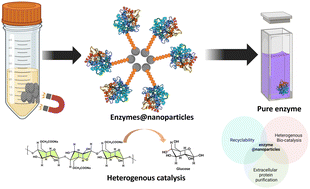
Heterogeneous biocatalysis by magnetic nanoparticle immobilized biomass-degrading enzymes derived from microbial cultures

J. Mater. Chem. B, 2025,13, 3644-3652. DOI: 10.1039/D4TB02011A

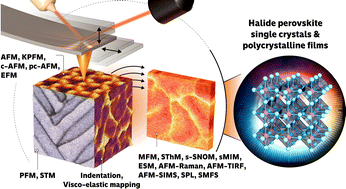
Footprints of scanning probe microscopy on halide perovskites

Chem. Commun., 2024, 60, 11685-11701. DOI: 10.1039/D4CC03658A

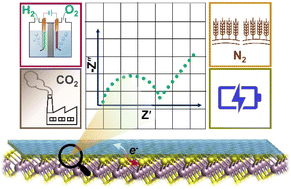
Deciphering interfacial charge transfer mechanisms in electrochemical energy systems through impedance spectroscopy

J. Mater. Chem. A, 2024,12, 14334-14353. DOI: 10.1039/D4TA00537F

Nanoscale and Nanoscale Advances are high-impact international journals, publishing high-quality experimental and theoretical work across the breadth of nanoscience and nanotechnology. Our broad scope covers cross-community research that bridges the various disciplines involved with nanoscience and nanotechnology.

We welcome you to submit your latest work on nanomaterial properties, behaviour, synthesis, hierarchical assembly, catalysis or energy to Professor Bhattacharyya for consideration in Nanoscale or Nanoscale Advances.

Please join us in welcoming Professor Bhattacharyya to Nanoscale and Nanoscale Advances! 

Digg This
Reddit This
Stumble Now!
Share on Facebook
Bookmark this on Delicious
Share on LinkedIn
Bookmark this on Technorati
Post on Twitter
Google Buzz (aka. Google Reader)

Spotlight on Nano Research from India

Over the years, Nanoscale Horizons and Nanoscale have published quality research across the breadth of nanoscience. Our Indian authors and readers have been a core part of the research community, and it has been inspiring for our journals to witness and support the growth of Indian research.  

To showcase some of the great research being carried out, we have selected some of the most popular articles from authors across India.  Click the link below to read the full collection! If your institution is included in the One Nation One Subscription initiative, Nanoscale Horizons and Nanoscale articles will be free to access, as these journals are covered by the scheme. Read the RSC announcement here.  


Read the collection


Digg This
Reddit This
Stumble Now!
Share on Facebook
Bookmark this on Delicious
Share on LinkedIn
Bookmark this on Technorati
Post on Twitter
Google Buzz (aka. Google Reader)

Congrtulations to the post prize winners at the 2nd Early Career Symposium on Advanced Molecular Materials (ECSAMM26)

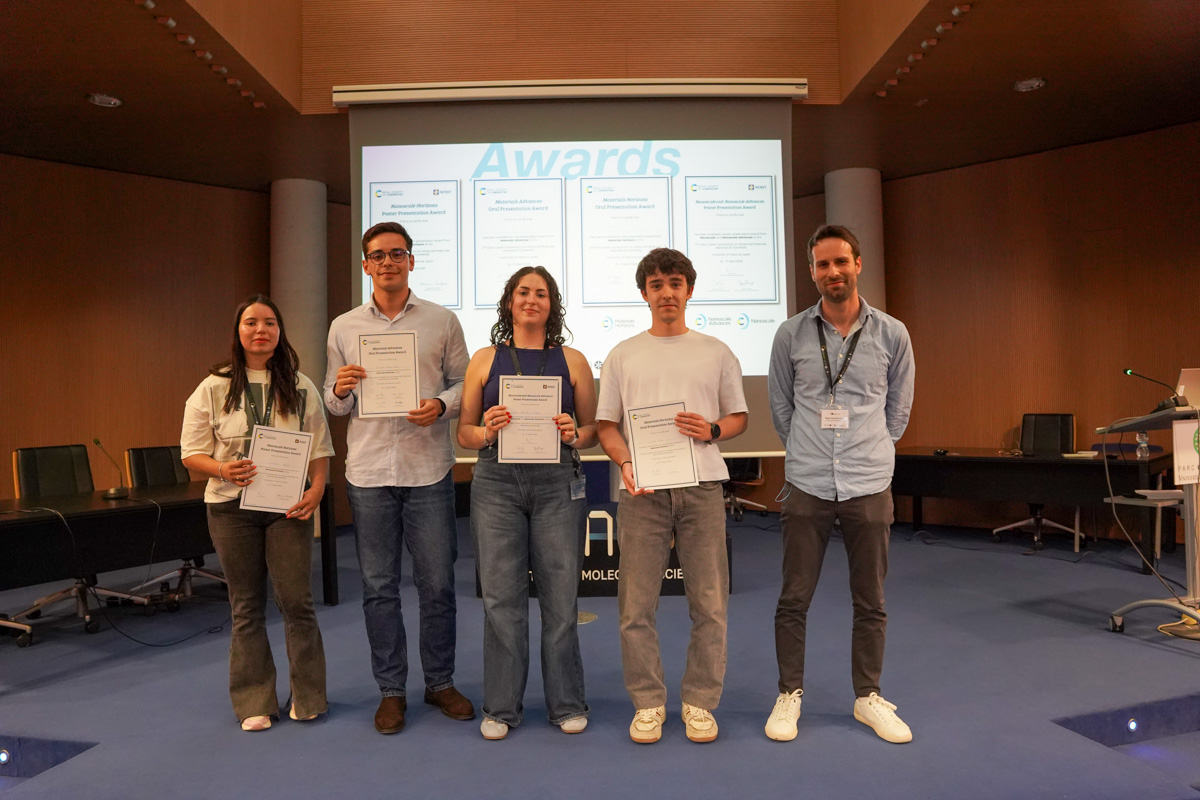
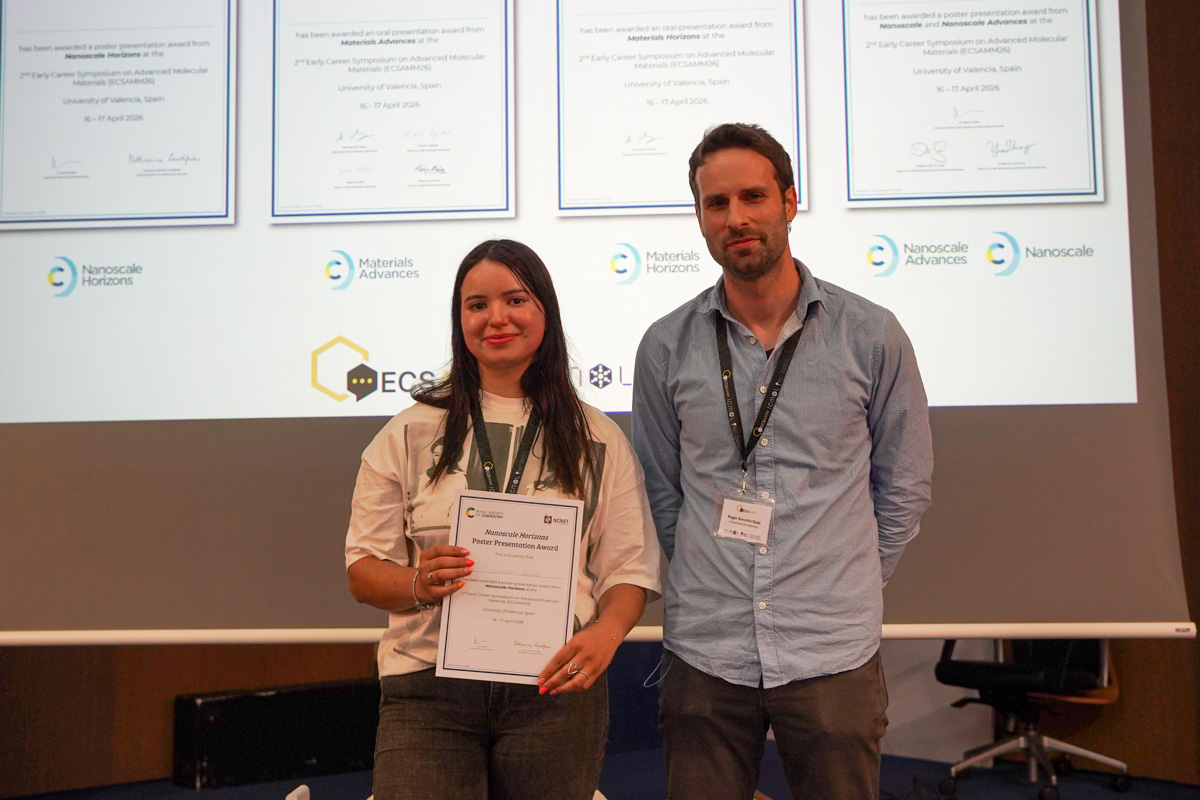
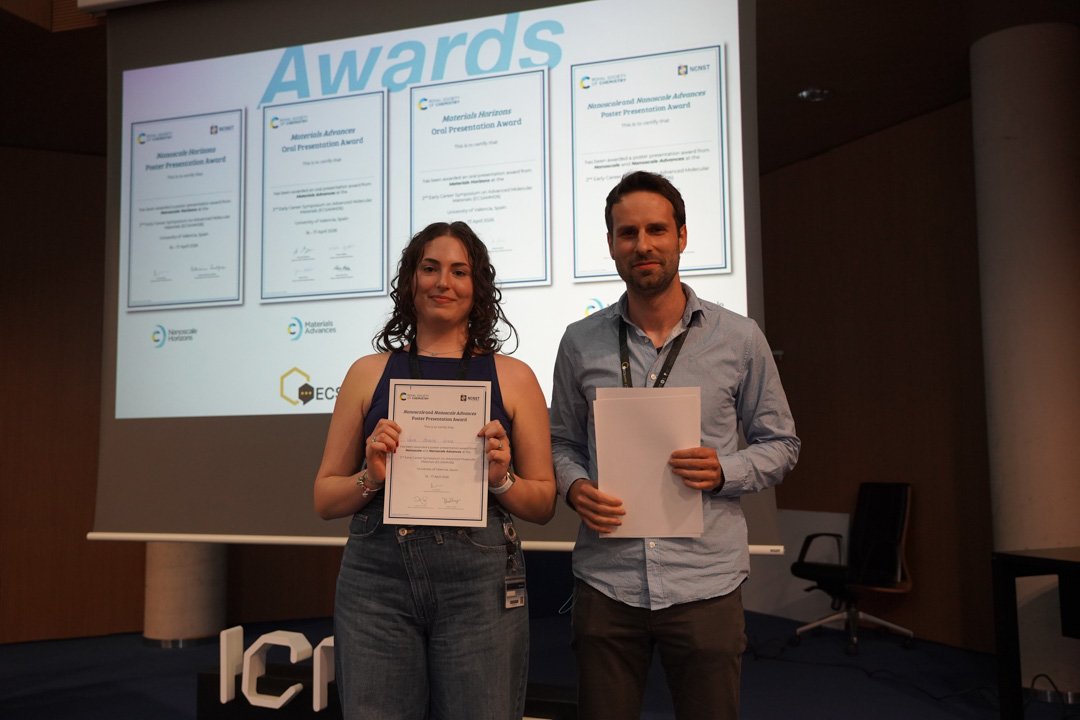
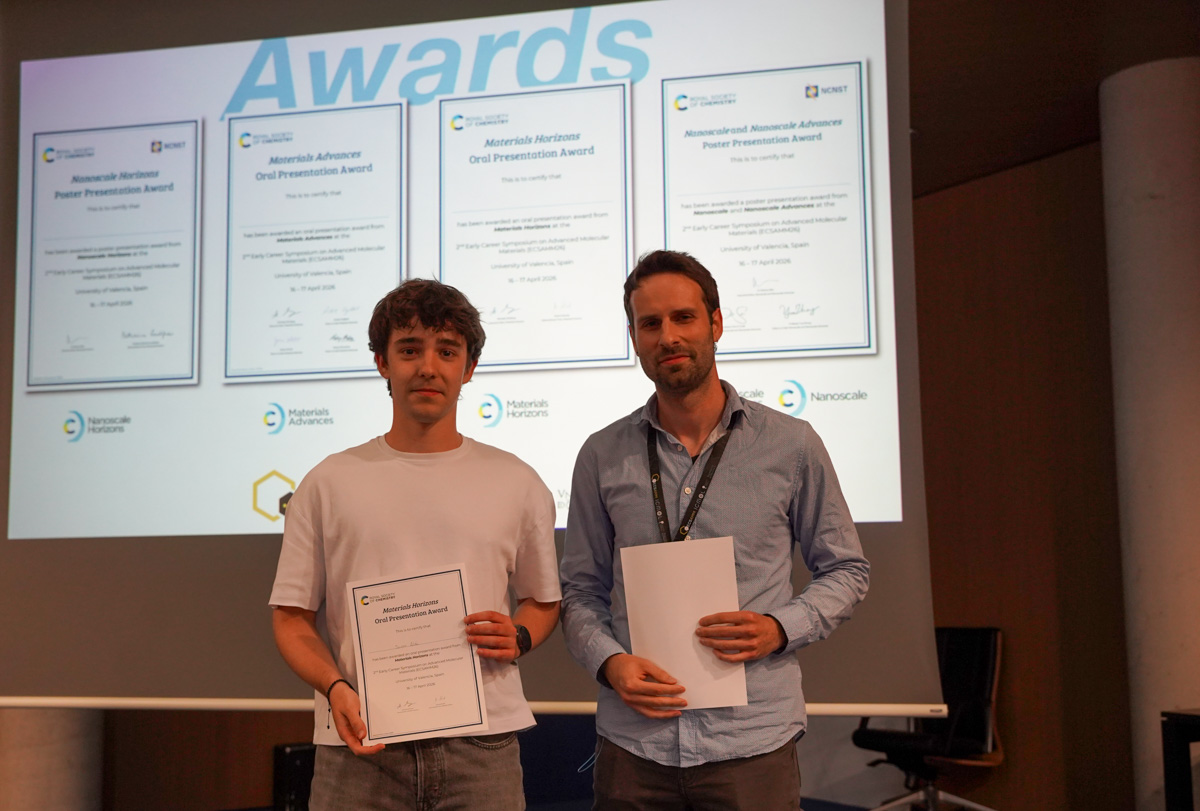
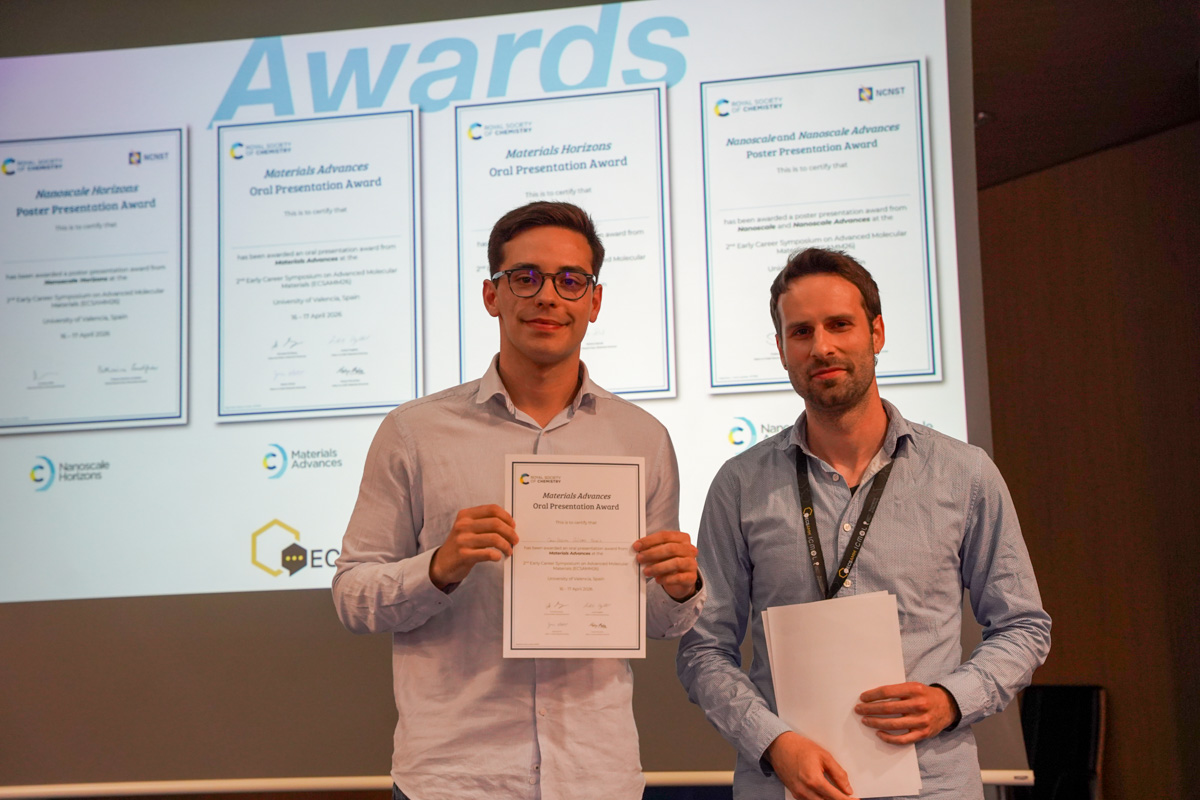
Nanoscale Horizons, Nanoscale, Nanoscale Advances, Materials Horizons and Materials Advances were delighted to sponsor prizes at the 2nd Early Career Symposium on Advanced Molecular Materials (ECSAMM26) which took place in Valencia, Spain on April 16 and 17, 2026.

Please join us in congratulating  the winners on their awards!

Nanoscale Horizons: Geraldine Sánchez, Instituto de Ciencia Molecular, University of Valencia

Nanoscale Advances and Nanoscale: Laura González Cervera, Instituto de Ciencia Molecular, University of Valencia

Materials Horizons: Javier Alda Gómez, RTMM, Instituto de Ciencia Molecular, University of Valencia

Materials Advances: Guillermo Gómez Tenés, FUNIMAT, Instituto de Ciencia Molecular, University of Valencia

Digg This
Reddit This
Stumble Now!
Share on Facebook
Bookmark this on Delicious
Share on LinkedIn
Bookmark this on Technorati
Post on Twitter
Google Buzz (aka. Google Reader)

Call for papers: Extracellular Vesicles

We are pleased to open submissions to this themed collection on Extracellular Vesicles running across Nanoscale and Journal of Materials Chemistry B.

This themed collection is guest edited by Dr Marley Dewey (University of California Santa Barbara, United States), Professor Chao Wang (Soochow University, China) and Professor Cristiana Boi (University of Bologna, Italy).

Extracellular vesicles are naturally occurring lipid-bound nanoparticles secreted by cells across kingdoms for cell-cell communication. These vesicles are critical for many biological processes, including disease, wound repair, cancer, and infection, among others. To understand and apply extracellular vesicles for biological applications, this involves the synergy of multiple fields, including chemistry, materials, biology, and nanoscience. This themed collection combines research from Journal of Materials Chemistry B and Nanoscale, representing the cross-disciplinary nature of extracellular vesicle research. This collection aims to publish high-impact articles on extracellular vesicles, with a focus on the connections between materials chemistry and these nanoscale particles. Articles of interest include materials innovations containing extracellular vesicles, how material and chemical modifications could better isolate or alter extracellular vesicle production and application, among others. We hope this collection offers new technologies, knowledge, and inspiration for researchers, clinicians, industry, and more to improve both our understanding of extracellular vesicle biology and the application of these for improving human lives.

Submit by 30th September 2026

Find out more about this open call

Submit to Nanoscale

Submit to Journal of Materials Chemistry B


We encourage submissions of primary research articles, and these should fit within the scope of Nanoscale or Journal of Materials Chemistry B. We invite authors to select the journal that best suits their submission.

We sincerely hope that you will be able to accept our invitation to this themed collection and we look forward to hearing from you in the very near future.

Digg This
Reddit This
Stumble Now!
Share on Facebook
Bookmark this on Delicious
Share on LinkedIn
Bookmark this on Technorati
Post on Twitter
Google Buzz (aka. Google Reader)

Call for papers: Nanoelectronics

We are pleased to open submissions to a themed collection on Nanoelectronics. This collection will be published in the Royal Society of Chemistry Journal Nanoscale and we invite you to submit some of your latest quality work to be featured in this special collection. 

On behalf of Guest Editors Professor Talip Serkan Kasirga (Bilkent UNAM, Turkey, and Middle East Technical University, Turkey) and Professor Hilmi Volkan Demir (Bilkent University, Turkey, and Nanyang Technological University, Singapore), we invite submissions of original research articles that explore nanoelectronics. This collection on nanoelectronics aims to showcase the latest breakthroughs in the design, fabrication, and application of nanoscale electronic components. As traditional silicon-based scaling approaches their physical limits, this collection focuses on the materials and architectures that will define the next generation of information technology.  

The scope of this collection includes, but is not limited to, the following areas of research: 

  • Low-Dimensional Materials: Electronic transport and device integration of 2D materials (TMDCs, graphene, h-BN), 1D nanowires/nanotubes, and 0D quantum dots; colloidal electronics. 
  • Beyond-CMOS Architectures: Innovations in neuromorphic computing, memristive systems, and steep-slope transistors (e.g., TFETs and NC-FETS). 
  • Quantum Electronics: Solid-state qubits, topological insulators, and superconducting circuits for quantum information processing. 
  • Spin-Based Electronics (Spintronics): Pure spin currents, magnetic tunnel junctions, and skyrmion-based logic. 
  • Molecular and Organic Electronics: Charge transport through single molecules and the development of flexible, printed nanoscale circuits. 
  • Nanoscale Interconnects & Thermal Management: Addressing Joule heating and signal delay through carbon-based or plasmonic interconnects.


Submit by 30th September 2026


Find out more about this open call

Submit an article


We encourage submissions of primary research articles, and these should fit within the scope of Nanoscale. Please inform the Editorial Office at nanoscale-rsc@rsc.org as soon as possible if you plan to submit to the themed collection.  

Please see the journal webpage for more information on the journal’s scopes, standards and author guidelines.  Manuscripts should be submitted via the Royal Society of Chemistry’s online submission service available here: https://mc.manuscriptcentral.com/nr. Please ensure that during the submission process you indicate that this is an open call submission for a themed collection.  

Nanoscale is a hybrid journal, meaning you can choose to publish your work open access or you can choose to publish your work for subscription-only audiences. 

Publishing open access with RSC journals unlocks the full potential of your research – bringing increased visibility, wider readership and higher citation potential to your work. As a not-for-profit organisation serving the chemical sciences community, we ensure that our article processing charge (APC) remains the most competitive of major publishers. More details can be found here and the APC for Nanoscale is £3,100 (+ any applicable tax). You can also use our journal finder tool to check if your institution currently has an agreement with the RSC that may entitle you to a discount of the APC.  

Please note that all submissions, regardless of invitation status, are subject to rigorous assessment by our Editors before being sent for peer review if appropriate. Manuscripts must meet the journal requirements and as such we cannot guarantee peer review or acceptance.  

In some cases, the Associate Editors may offer authors a transfer to our companion journal Nanoscale Advances and any transferred articles will still be included in the online collection. Nanoscale Advances is a Gold Open Access and article processing charges will apply unless you are eligible for a waiver or your institute has an open access agreement with the RSC. More details can be found here. 

We sincerely hope that you will be able to accept our invitation to this themed collection and we look forward to hearing from you in the very near future.

Digg This
Reddit This
Stumble Now!
Share on Facebook
Bookmark this on Delicious
Share on LinkedIn
Bookmark this on Technorati
Post on Twitter
Google Buzz (aka. Google Reader)

Call for papers: In honour of Professor Rohit Srivastava’s 50th Birthday and his contribution to disease diagnosis

We are pleased to announce an open call for papers to an honorary themed collection in Nanoscale celebrating Professor Rohit Srivastava’s 50th birthday and his contribution to disease diagnosis.  

The collection is guest edited by Professor Rajendra Prasad (Indian Institute of Technology (BHU), Varanasi, India) Professor Amnon Bar-Shir (Weizmann Institute of Science, Israel), Professor Berivan Cecen (New Jersey Institute of Technology, United States) and Professor Volkan Cecen (New Jersey Institute of Technology, United States).  

During his 20-year productive career, Professor Rohit Srivastava (Vigyan Shri awardee) has made numerous seminal contributions to translational biomedical research and innovative start-ups, advancing affordable and early-stage disease diagnosis.  His work has transformed our understanding of fundamental aspects of developing safe nanomedicines and medical devices. More recently, he has extended his work in conceptualising and translating innovative collaborations to solve various healthcare problems. 

NanoBios members and many top leaders from around the world are celebrating his 50th birthday in 2026. We hope that you will join us in celebrating his achievements and continued contributions to the field by supporting this themed collection in honour of Professor Srivastava’s 50th birthday.   

The themed collection will focus on recent developments and innovations in nanoscience and nanotechnology for affordable disease diagnosis. This themed collection will include but is not limited to the following topics:  

  • Nanoimaging and therapeutics   
  • Biomimetic nanomedicine   
  • Nanoengineered and bio-conjugated systems  
  • Medical devices in diagnosis and 3D Printing  
  • Molecular imaging techniques for cancer detection  
  • Theranostics particles for image guided cancer therapy  
  • Optotheranostics and targeted drug delivery 


Submit your research


We encourage submissions of primary research articles and these should fit within the scope of Nanoscale. Please inform the Editorial Office at nanoscale-rsc@rsc.org as soon as possible if you plan to submit to the themed collection. Please see the journal webpage for more information on the journal’s scopes, standards and author guidelines. Please ensure that during the submission process you indicate that this is an open call submission for a themed collection.

About our Guest Editors

Dr Rajendra Prasad is group leader of the Bright-NanoGhost group at the School of Biochemical Engineering, IIT (BHU) Varanasi, India. His lab is developing biomimetic nanovesicles and ionizable lipid nanoparticles for solid tumor imaging and therapeutics. His research mainly focuses on overcoming the bioengineering and biological barriers that often prevent cancer nanomedicines from reaching their targeted site. Recently, Dr. Rajendra and group have developed biomimetic platforms for diagnosing solid tumor at an early stage with precise targeting and specific biodistribution in vivo models. Dr. Rajendra is a well-trained scientist for early-stage cancer diagnosis using Nano-Contrast and Molecular Imaging approaches. Apart from research, Dr. Rajendra serves as an editorial board member for journals like Nanotheranostics (Associate Editor), Nano Letters (Early Career Advisory Board Member) and npj Imaging. Currently, he is editing a special issue at Nanoscale.

Amnon Bar-Shir is an Associate Professor at the Weizmann Institute of Science (Rehovot, Israel). He received his B.Sc. (2002), M.Sc. (2004), and Ph.D. (2009) from Tel Aviv University. He then pursued postdoctoral training at the Johns Hopkins University School of Medicine, where he pioneered the development of genetically engineered MRI reporters. Since joining the Weizmann Institute in 2014, Prof. Bar-Shir has led an interdisciplinary research program combining synthetic chemistry, molecular and cellular biology, and advanced MRI methodologies. His work focuses on developing innovative molecular probes—including small molecules, supramolecular assemblies, nanomaterials, and engineered proteins—for noninvasive in vivo imaging of biological processes. Prof. Bar-Shir has been awarded multiple competitive grants, including the ERC Starting Grant (2015) and ERC Consolidator Grant (2022). His contributions have been recognized with several distinctions, including the NIH Pathway to Independence Award (2014), the Krill Prize for Excellence in Scientific Research (2019), and the ICS Excellent Young Scientist Prize (2021).

Dr. Berivan Cecen is an Associate Professor at the Stem Cell and Tissue Engineering Research and Application Center at Istinye University in Istanbul, Turkey. She also serves as the Director of the Graduate Program in Biomedical Engineering at New Jersey Institute of Technology in New Jersey, USA. Her research areas include 3D bioprinting, microfluidics, organ-on-a-chip, cell and tissue culture, advanced microscopy, and spectrophotometry. These efforts aim to develop and characterize biomaterials, identify tissues and cells, and enhance methods in drug discovery and regenerative medicine. Dr. Cecen has a comprehensive background in tissue engineering, with specific expertise in biomaterials characterization, survey research, and tissue and cell identification, aimed at advancing these fields. As a mentor at multiple universities, she laid the foundation for her proposed research by developing microfluidic systems, hydrogels, and other tissue-related factors relevant to human health, particularly those involving substance-use-related cancer cells. She has built strong collaborations with community providers to facilitate participant recruitment and long-term tracking, as documented in her publications. Additionally, Dr. Cecen has managed projects—including staffing, research protections, and budgeting—collaborated with other researchers, and published several peer reviewed articles. These experiences emphasized the importance of regular communication among team members and realistic planning of research timelines and budgets. Her current application naturally extends from her prior work. Throughout her career, she has mentored undergraduate and graduate students, guiding them through projects suited to their experience levels and helping them develop critical research skills. She has involved these students at every stage of her research projects, each of which addresses key scientific questions and leads to publications.

Professor Volkan Cecen received his Ph.D. in mechanical engineering from Dokuz Eylul University (Turkey) in 2006. In 2007, he became a postdoctoral associate with Professor Dr. Igor Krupa at the Polymer Institute of the Slovak Academy of Sciences in Bratislava (Slovakia). He worked on the preparation and properties of highly electrically and thermally conductive polymeric nanocomposites. Afterward, he joined Professor Dr. Christian Friedrich’s group and worked as an Alexander von Humboldt Research Fellow from 2009 to 2011 at the Institute for Macromolecular Chemistry, the University of Freiburg in Germany. His research activities were at the crossroad of macromolecular chemistry, rheology, processing, and structure development in polymers. His research focused on preparing graphene-based carbon fillers, characterizing them, and incorporating them into polymers. He was then awarded a Research Fellowship for Experienced Researchers by the Alexander von Humboldt Foundation in 2013, and he spent it at the Freiburg Materials Research Center, University of Freiburg. During his initial and subsequent research stays in Freiburg, he had the opportunity to work with Professor Dr. Rolf Mülhaupt’s group. After two postdoctoral stays (in Slovakia and Germany), he rejoined Dokuz Eylul University in 2014 for a tenured position and stayed there until spring 2018. In 2018, Dr. Cecen worked as a visiting professor in the team of Professor Dr. Nicholas Kotov at the University of Michigan, Ann Arbor (USA). His 1-year research interests mainly focused on the bioinspired synthesis of aramid nanofibers (ANFs), the design of ANF-based biomimetic composites, and the application of these materials in electrochemical storage. His primary research interests included the scaleup and development of zinc-ion (Zn-ion) and lithium-sulfur (Li-S) batteries in intelligent autonomous systems (drones, robots, and self-driving vehicles) and electric vehicle technologies, respectively. In 2021, Dr. Cecen joined Professor Dr. Yury Gogotsi’s Nanomaterials Group (NMG) at Drexel University for 6 months. At Drexel, he was a visiting professor and focused on synthesizing 2D Metal Carbides and Nitrides (MXenes) and developing new materials, especially solid MXene electrolytes and sulfur cathodes for high-energy rechargeable batteries. He proposed several nanostructured designs to take small steps toward enhancing the ionic conductivity of the solid electrolyte and the structural stability of the sulfur cathode. Between 2021 and 2025, Dr. Cecen lectured in the Department of Mechanical Engineering at Rowan University (USA) as an adjunct faculty member and visiting professor. He has been working in the Biomedical Department at the New Jersey Institute of Technology since 2025.

 

Digg This
Reddit This
Stumble Now!
Share on Facebook
Bookmark this on Delicious
Share on LinkedIn
Bookmark this on Technorati
Post on Twitter
Google Buzz (aka. Google Reader)

Nanoscale and Nanoscale Advances: Looking back at 2025 

Now that 2025 has come to an end, we look back at some of the exciting events, activities and news from Nanoscale and Nanoscale Advances. We are continually thankful for the nano community’s engagement, which has enabled the journals to continue to support our growing community. We look forward to another great year for the journals in 2026.  

Board updates  

In 2025 we welcomed Baoquan Ding (National Center for Nanoscience and Technology (NCNST), China) and Cecilia Mattevi (Imperial College London, U.K.) to the Editorial Boards of Nanoscale and Nanoscale Advances as Associate Editors.  

Teresa Pellegrino (Italiano di Tecnologia (IIT), Genoa, Italy) and Zhiqin Lin (National University of Singapore, Singapore) completed their terms as Associate Editors and became Advisory Board members.   

Emerging Investigators Series 

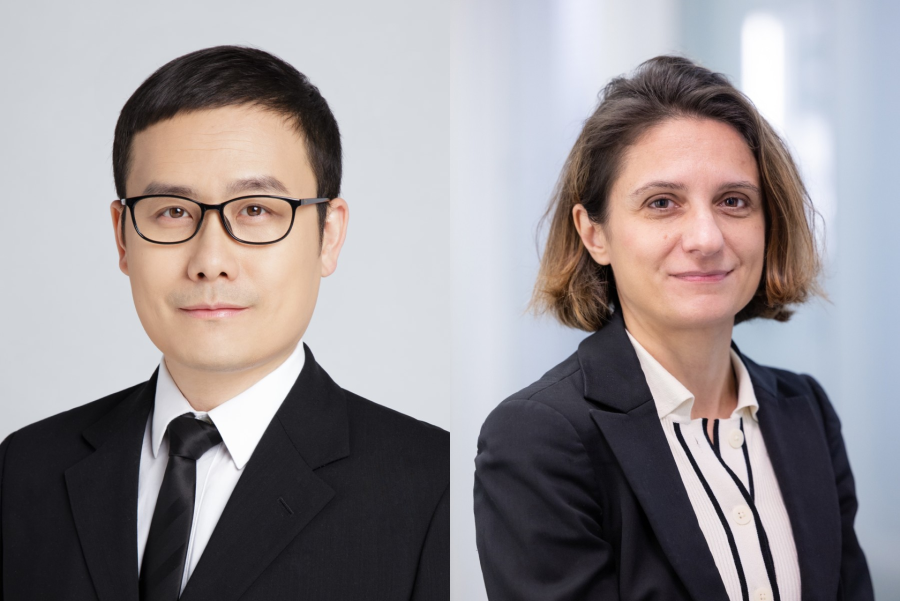
We were proud to present our Nanoscale 2025 Emerging Investigators collection, recognizing the rising stars of nanoscience and nanotechnology by gathering some of the very best work from researchers in the early stages of their independent careers. Congratulations to all the featured researchers on their important work so far in the field. Meet the featured authors in our Profile article.

HOT and Popular articles  

Read the Nanoscale and Nanoscale Advances collections that collected together work that was well received before or after publication, featuring papers highlighted as HOT by our reviewer or those well received with our readers after publication.  

Nanoscale Most Popular 2025 Articles 

2025 Nanoscale HOT Article Collection 

Nanoscale Advances Popular Advances 2025 

Editor’s Choice Collections 

Nanoscale published an Editor’s Choice collection on Advances and Perspectives in Nanoscale Materials and Optoelectronics by Professor Christian Klinke (University of Rostock). Look out for future Editor’s Choice collections! 

Read the collection 

Celebratory Collections 

In 2025 Nanoscale and Nanoscale Advances publications were featured in a range of collections that celebrate and showcase research and researchers across our nanoscience and nanotechnology community. Explore these amazing collections below! 

Lunar New Year  Chinese New Year 
Celebrating nanoscience in Japan  The Changing Canvas of Nano 
Celebrating International Women’s day 2025: Women in Nanoscience  Celebrating the 65th birthday of Professor Santanu Bhattacharya 
US National Nanotechnology Day  Celebrating the 120th anniversary of the National University of Singapore 


Themed Collections 

This year we have published themed collections covering topics on nanocatalysis, quantum nanomaterials, nanomedicine, and much more! Check out our web pages or blog to see all of this year’s themed collections from Nanoscale and Nanoscale Advances. 

Explore Nanoscale Themed Collections 

Explore Nanoscale Advances Themed Collections 

Read our blog 

Nanoscale Advances Paper Prize Award 

We were delighted to announce the inaugural Nanoscale Advances Paper Prize, celebrating the most significant articles published in the journal in the previous calendar year! Read our editorial to find out how we selected the winning paper from, Fang-Chung Chen and coauthors. 

Please join us in congratulating the winners of the inaugural Nanoscale Advances Paper Prize and we hope that you enjoy reading their outstanding articles as much as we did! 

Outstanding Reviewers  

We once again recognised the significant contributions that our reviewers have made to the journals and highlighted our 2024 Outstanding Reviewers in a Nanoscale Editorial and a Nanoscale Advances Editorial. 


Digg This
Reddit This
Stumble Now!
Share on Facebook
Bookmark this on Delicious
Share on LinkedIn
Bookmark this on Technorati
Post on Twitter
Google Buzz (aka. Google Reader)

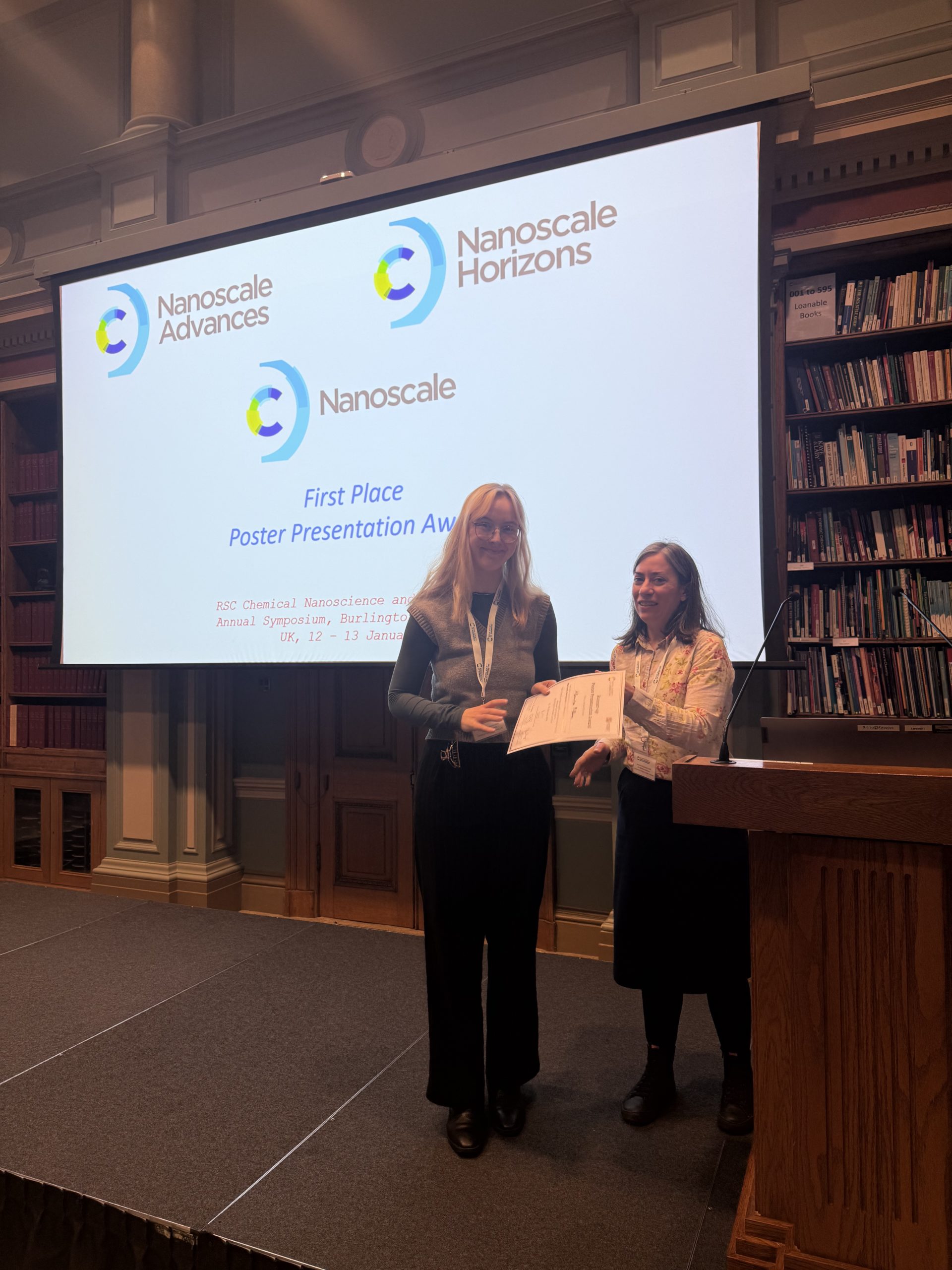
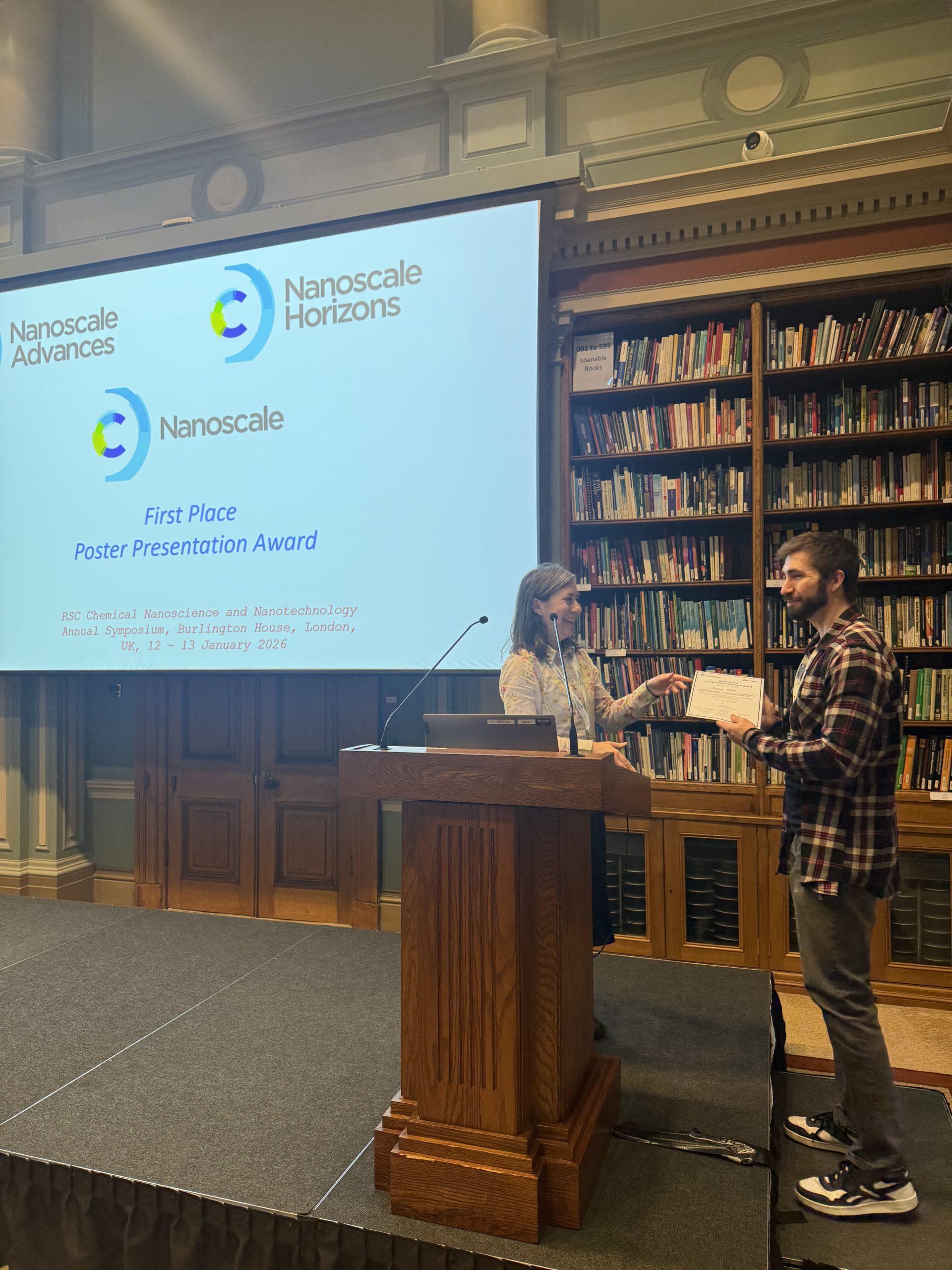
Congratulations to the poster prize winners of the RSC Chemical Nanoscience & Nanotechnology Annual Symposium 2026

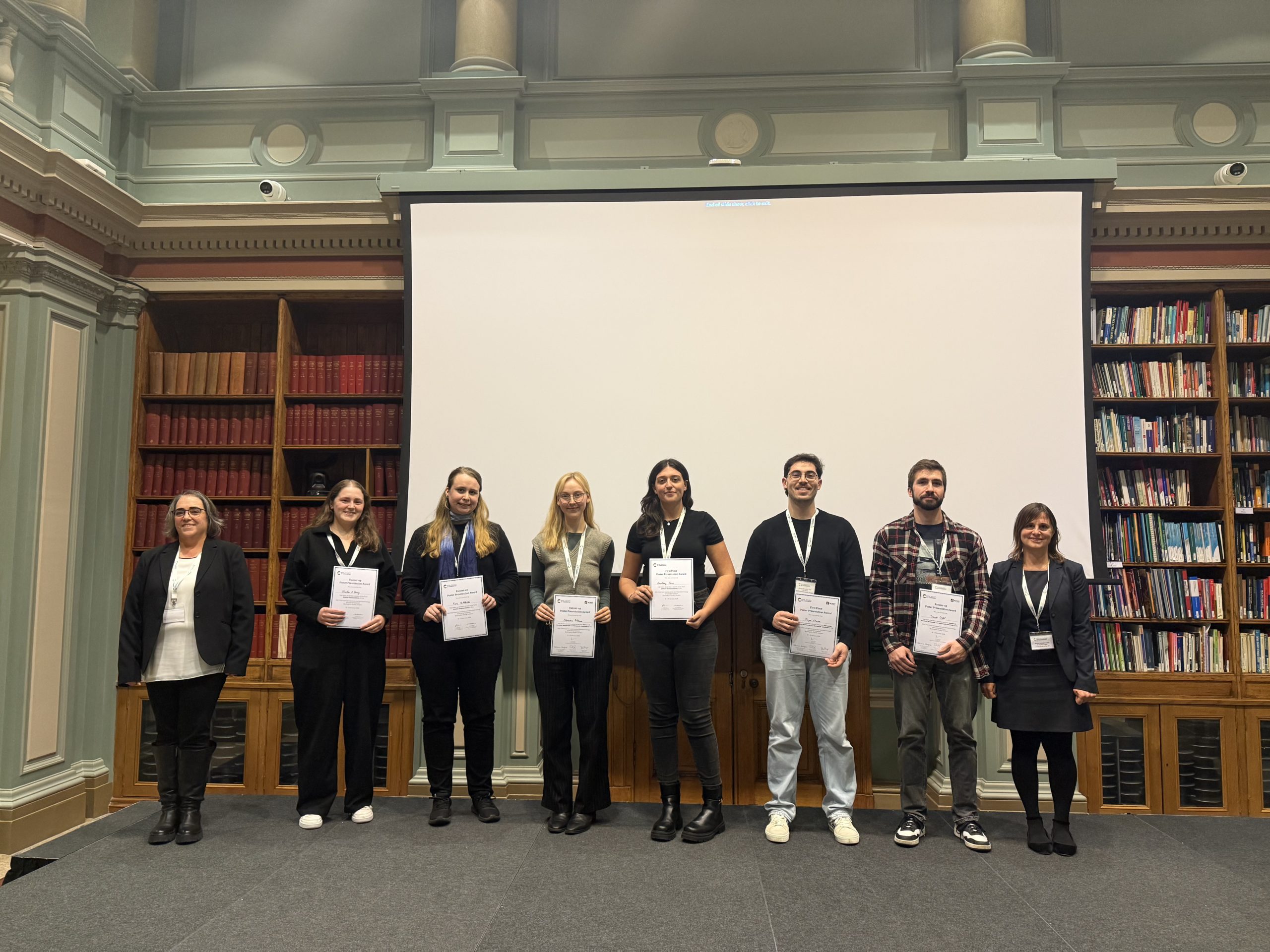
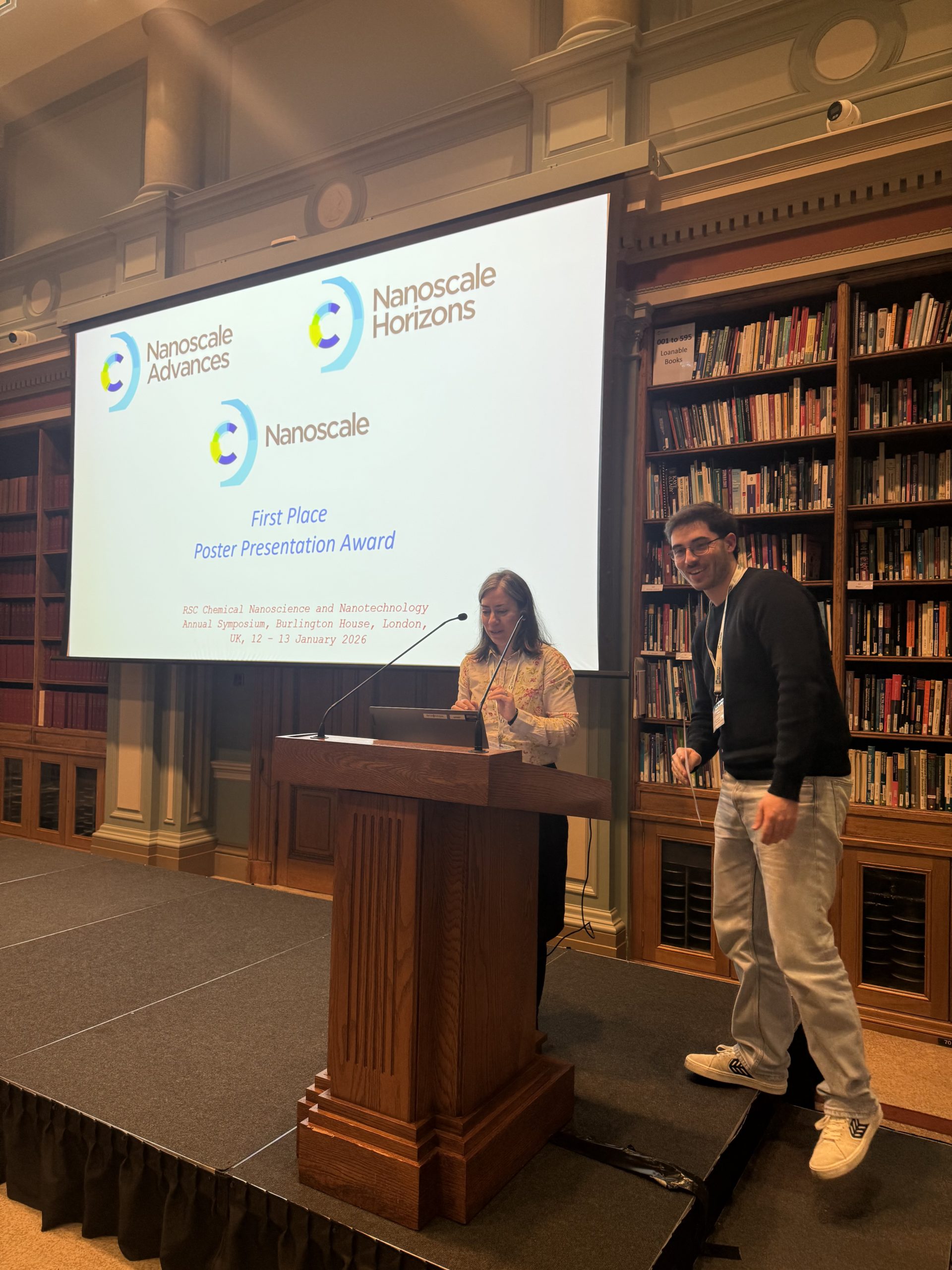
The Nanoscale journal family were delighted to sponsor poster prizes at RSC Chemical Nanoscience & Nanotechnology Annual Symposium the which took place in London, U.K on 12-13th January 2026.

Please join us in congratulating the winners on their awards!

First Prize: Tiago Linares (NOVA University, Portugal)

Poster title: Development of Injectable Chitosan Hydrogels Incorporating Cellulosic Nanoparticles and Derivatives for Biomedical Applications

Runner up: Alexandra Billina (University of Birmingham, United Kingdom )

Poster title: Probing Small-Molecule Interactions via Magnetic Relaxometry of Engineered Gd³⁺-Nanoparticle Platforms

Runner up: Dario Orlić (University of Trieste, Italy)

Poster title: Measuring physical and chemical properties of thermo-responsive nano-micelles for drug delivery using molecular dynamics


Digg This
Reddit This
Stumble Now!
Share on Facebook
Bookmark this on Delicious
Share on LinkedIn
Bookmark this on Technorati
Post on Twitter
Google Buzz (aka. Google Reader)