Archive for the ‘Uncategorised’ Category

Industrial Chemistry & Materials Reviewer Spotlight-Part 1

To celebrate the 2025 Outstanding Reviewers of Industrial Chemistry & Materials and gain deeper insights into the perspectives of our reviewers, we invited them to share their views on peer review, advice for authors, and their experiences with ICM.


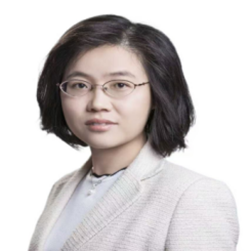
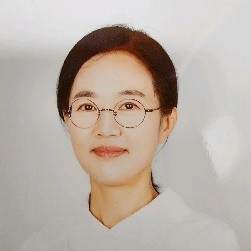
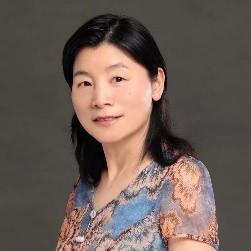
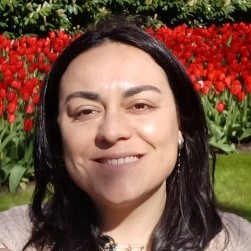
This time, we are pleased to highlight Prof. Mariana Conceicao da Costa, Prof. Ying Zhang and Prof. Xiaoxin Zou. We sincerely thank them for their generous contributions and continued support of the journal. We hope their insights will provide valuable guidance and inspiration for both reviewers and authors.


Mariana Conceicao da Costa is an assistant professor at Universidade Estadual de Campinas. She received her PhD from the School of Engineering of Lorena, University of São Paulo, in 2008. Her research is focused on thermodynamics, particularly on the study of phase equilibria, including solid–liquid equilibrium (SLE), liquid–liquid equilibrium (LLE), and vapor–liquid equilibrium (VLE).
Ying Zhang is an Associate Professor at University of Science and Technology of China. She received her PhD from the University of Connecticut in 2006. Her research focuses on the green catalytic conversion of biomass-derived organic molecules and multisource waste gases. Her main research interests include: (1) the design and application of efficient multifunctional catalysts; (2) the catalytic conversion and high-value utilization of biomass and organic solid wastes; and (3) catalytic purification technologies for multisource waste gases.
Xiaoxin Zou is a Professor at Jilin University. He received his PhD from Jilin University and has long been engaged in research on energy conversion and catalytic materials, with a particular focus on the intersection of structural chemistry, synthetic chemistry, and catalytic chemistry of inorganic solid materials.


What motivated you to review for ICM, and what keeps you engaged with the journal?


Mariana Conceicao da Costa: My motivation was based on the journal’s commitment, seriousness, and the excellence of the work it publishes. In addition, the topics covered are closely aligned with my research interests.


Ying Zhang: I was motivated to review for ICM because it occupies a very meaningful position in the field: it bridges the gap between fundamental research and industrial requirements. This focus is especially valuable in industrial chemistry and materials science, where the real impact of research depends not only on scientific novelty, but also on practicality, scalability, and relevance to application. I also appreciate that ICM is a high-ranking professional journal with a clear vision for publishing work that is both academically rigorous and industrially meaningful.

What keeps me engaged is the consistently professional editorial process. The editors demonstrate strong scientific judgment, efficient communication, and respect for reviewers’ time and expertise. I also find the manuscripts submitted to ICM to be highly relevant to current challenges in catalysis, materials design, process development, and sustainable chemistry. Reviewing for the journal gives me the opportunity to contribute to maintaining high standards in a field that is increasingly shaped by the integration of fundamental understanding with real-world industrial needs.


From a reviewer’s perspective, what makes a manuscript truly stand out during peer review?


Xiaoxin Zou: A manuscript stands out when it clearly articulates a novel and significant advance in the field, supported by robust and well-designed experiments or methodologies. Beyond the scientific content, clarity in presentation is key. A well-structured manuscript with logical flow, concise language, and compelling figures not only makes the reviewer’s task more efficient but also demonstrates the authors’ respect for the readers’ time and understanding. It reflects a thoughtful effort to communicate complex ideas effectively.


Ying Zhang: A manuscript truly stands out when it combines clear originality with solid scientific execution and practical significance. Novelty alone is not enough; the work should also be logically designed, supported by convincing evidence, and presented in a way that allows readers to understand why the findings matter.

For a journal like ICM, particularly strong manuscripts usually do three things well: first, they identify an important scientific or technological problem; second, they provide a rigorous and well-supported solution; and third, they explain the broader relevance of the work, especially in relation to industrial applicability, process feasibility, or materials performance. I am always impressed by papers in which the authors not only report strong results, but also demonstrate deep mechanistic understanding, careful control experiments, and honest discussion of limitations. Clarity of writing also makes a major difference, because it reflects the authors’ command of their own work.


What advice would you give to early-career researchers or first-time authors to improve their chances of a successful peer review?


Ying Zhang: My first advice is to focus on the scientific question before focusing on the manuscript itself. A well-written paper cannot compensate for an unclear research objective or insufficient evidence. Authors should ask themselves: What is the key advance? Why is it important? And have I provided enough data to support each major claim?

Second, authors should pay close attention to structure and logic. Reviewers respond positively to manuscripts that are easy to follow, where the motivation, experimental design, results, and conclusions are all well connected. It is also important to avoid overstating significance. A balanced and evidence-based presentation is always more persuasive than exaggerated claims.

I would also emphasize an important point: if authors already know at the time of submission that their work has fundamental weaknesses, it is almost impossible to rely on “luck” to pass peer review. Reviewers are invited precisely because they are experts in the field, and they are usually able to identify critical flaws in experimental design, interpretation, or evidence very quickly. Peer review is a process for evaluating and improving solid research, not for rescuing work with known major defects.

Finally, I would encourage first-time authors to think from the reviewer’s perspective. Anticipate likely questions, include appropriate controls, explain methodology clearly, and make sure figures are informative and consistent. A manuscript that is careful, transparent, and intellectually honest already has a much stronger foundation for successful peer review.


What is the most valuable insight or lesson you have gained through reviewing manuscripts?


Mariana Conceicao da Costa: The review process demands many hours of work, but it provides an opportunity to closely engage with the work of colleagues worldwide, as reviewing a manuscript requires carefully examining it to understand the methodology and the results presented, as I do with my own work.


Ying Zhang: One of the most valuable lessons I have gained is that strong science is not defined only by positive results or complex techniques, but by the quality of the reasoning behind the work. Reviewing has reinforced for me how important it is to build a coherent scientific story in which every major conclusion is supported by appropriate evidence.

It has also taught me the importance of fairness and balance in evaluation. Even manuscripts with weaknesses often contain useful ideas, and the role of peer review is not only to judge, but also to help improve the quality and clarity of the work. In that sense, reviewing is a process of scientific dialogue. It has made me more thoughtful both as a reviewer and as an author.


Has your experience reviewing for ICM influenced your interest in submitting your own work to the journal?


Ying Zhang: Yes, definitely. My experience reviewing for ICM has strengthened my interest in submitting my own work to the journal. Through the review process, I have seen that ICM is committed to publishing research that is scientifically rigorous, relevant to industrial chemistry and materials science, and meaningful beyond purely academic curiosity.

This impression is also supported by my own publishing experience with the journal. My main research area is biomass catalysis, and a review article I published in Industrial Chemistry & Materials in May 2023 has already been cited more than 140 times by peers. I have also seen our work and figures cited in publicly available conference presentations. More recently, I co-published a study with industrial collaborators in the area of low-temperature SCR, which has led to multiple invitations to academic conferences as well as invitations related to standards development. These experiences suggest to me that ICM reaches a broad readership across both academia and industry.

I also value the professionalism of the editorial team and the journal’s clear positioning in the community. For researchers working at the interface of fundamental understanding and practical application, ICM provides an attractive platform. Based on both my reviewing and publishing experience, I would strongly encourage researchers to consider submitting their high-quality work to ICM.


Contact us: icm@rsc.org

Visit our website: rsc.li/icm

Find all the latest developments, research and news from across our portfolio on X, LinkedIn, and sign-up to our e-alerts.

Celebrating the 2025 Outstanding Reviewers of Industrial Chemistry & Materials

In 2025, reviewers from 39 countries and regions generously contributed their time and expertise to Industrial Chemistry & Materials (ICM), collectively supporting the journal in advancing the internationalization, fairness, and transparency of the peer-review process. Based on the quantity, quality, and timeliness of reviews, ICM is pleased to recognize 2025 Outstanding Reviewers for their exceptional contributions. We sincerely thank them for their dedication in upholding the scientific rigor and integrity of the journal.


ICM 2025 Outstanding Reviewers:

Dr. Jonathan Bloh, DECHEMA-Forschungsinsitut, Germany, ORCID 0000-0002-3814-1875

Dr. Lukas Buelens, Ghent University, Belgium, ORCID 0000-0002-4896-1498

Dr. Shih-Yuan Chen, National Institute of Advanced Industrial Science and Technology (AIST), Japan, ORCID 0000-0002-7093-2511

Dr. Yousi Chen, Dalian University of Technology, China, ORCID 0000-0002-9087-235X

Dr. Juan Coronado, Instituto de Catalisis y Petroleoquimica, Spain, ORCID 0000-0003-1919-8371

Prof. Mariana Conceicao da Costa, Universidade Estadual de Campinas, Brazil, ORCID 0000-0003-1710-7202

Prof. Robert Farrauto, Columbia University, United States, ORCID 0000-0001-8127-1424

Prof. Qingsheng Gao, Jinan University, China, ORCID 0000-0002-4273-8500

Dr. Yi Gao, Shanghai Advanced Research Institute, Chinese Academy of Sciences , China, ORCID 0000-0001-6015-5694

Prof. Maria Goula, University of Western Macedonia, Greece, ORCID 0000-0002-6188-4095

Prof. Simelys Hernandez, Politecnico di Torino, Italy, ORCID 0000-0002-6722-0273

Prof. Dominik Janczewski, Warsaw University of Technology, Poland, ORCID 0000-0002-5466-6444

Prof. Ho Won Jang, Seoul National University, South Korea, ORCID 0000-0002-6952-7359

Prof. Ji Bong Joo, Konkuk University, South Korea, ORCID 0000-0002-4950-6278

Prof. Taku Kitanosono, The University of Tokyo, Japan, ORCID 0000-0003-0743-1420

Prof. Rajamani Krishna, Universiteit van Amsterdam, Netherlands, ORCID 0000-0002-4784-8530

Prof. Jin-Kyun Lee, Inha University, South Korea, ORCID 0000-0001-9468-5749

Dr. Luciana Lisi, Consiglio Nazionale delle Ricerche, Italy, ORCID 0000-0002-7837-4294

Prof. Chang-Yong Nam, Brookhaven National Laboratory, United States, ORCID 0000-0002-9093-4063

Prof. Salvador Ordóñez, University of Oviedo, Spain, ORCID 0000-0002-6529-7066

Prof. Chong Peng, Dalian University of Technology, China, ORCID 0000-0002-0593-3083

Prof. Kandasamy Prabakar, Pusan National University, South Korea, ORCID 0000-0001-7582-0765

Prof. Lu Shang, Nanjing University of Science and Technology, China, ORCID 0000-0001-5701-5017

Prof. Seung Uk Son, Sungkyunkwan University, South Korea, ORCID 0000-0002-4779-9302

Prof. Atsushi Urakawa, Delft University of Technology, Netherlands, ORCID 0000-0001-7778-4008

Prof. Casey Wade, Ohio State University, United States, ORCID 0000-0002-7044-9749

Dr. Ke Wang, Institute of Process Engineering, Chinese Academy of Sciences, China, ORCID 0000-0003-4508-1302

Prof. Yapei Wang, Renmin University of China, China, ORCID 0000-0001-5420-0364

Prof. Feng Yan, Southern University of science and Technology, China, ORCID 0000-0002-9603-2968

Prof. Feng Yan, Soochow University, China, ORCID 0000-0001-9269-7025

Prof. Ying Zhang, University of Science and Technology of China , China, ORCID 0000-0003-2519-7359

Prof. Xiaoxin Zou, Jilin University, China, ORCID 0000-0003-4143-9274


We warmly congratulate the ICM 2025 Outstanding Reviewers and sincerely thank them for their continued support and invaluable contributions!


Contact us: icm@rsc.org

Visit our website: rsc.li/icm

Find all the latest developments, research and news from across our portfolio on X, LinkedIn, and sign-up to our e-alerts.

ICM at the 35th CCS Congress: Connecting, Supporting, and Celebrating Innovation

The 35th Chinese Chemical Society (CCS) Congress was held in Chongqing, China, April 10-14, 2026. Industrial Chemistry & Materials (ICM) participated in the congress and actively engaged with the vibrant chemistry community.


During the conference, the ICM Editorial Office organized a face-to-face “Meet the Editors” activity, facilitating discussions with scholars, publishing professionals, and readers. These in-person exchanges provided a valuable opportunity to share ideas, discuss publishing perspectives, and strengthen our ties with the community.
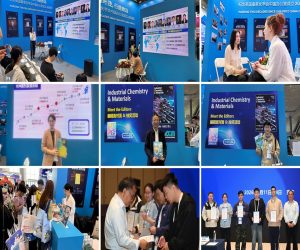
In addition, ICM was proud to support early-career scientists by sponsoring the Outstanding Poster Awards. These awards aim to recognize excellent research contributions and support the growth of early-career scientists.


ICM remains committed to promoting academic exchange and supporting the development of the research community, and will continue to support emerging talents in the field of industrial chemistry and materials worldwide.


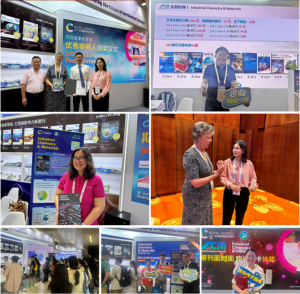
Highlight of ICM’s Participation in the last CCS Congress (2024, Guangzhou)


Contact us: icm@rsc.org

Visit our website: rsc.li/icm

Find all the latest developments, research and news from across our portfolio on X, LinkedIn, and sign-up to our e-alerts.


Women in ICM: Highlighting Research by Female Scientists!

Women scientists continue to make important contributions to  Industrial Chemistry & Materials (ICM). We’re delight to share the collection highlights selected articles led by female researchers, covering a range of frontier topics including photocatalytic hydrogen production, alkaline water electrolysis, CO₂ capture and methanation, electronic chemical materials, metal–organic frameworks (MOFs), and more.


Join us in celebrating the vital role of women in science and explore these impactful studies, Free to Read!


Dulce M. Morales

University of Groningen, The Netherlands

Electrooxidation of alcohols under the operating conditions of industrial alkaline water electrolysis

Ind. Chem. Mater., 2026, 4, 7-32. https://doi.org/10.1039/D5IM00071H

Katherine MacArthur

Ernst Ruska-Centre for Microscopy and Spectroscopy with Electrons, Germany

Carbon-supported Ni nanoparticles in CO2 methanation: Role of a superficial NiO shell observed by in situ TEM

Ind. Chem. Mater., 2026, https://doi.org/10.1039/D5IM00033E

Yi Li

Technical Institute of Physics and Chemistry, CAS, China

Lithographic performances of aryl sulfonate ester-modified polystyrenes as nonchemically amplified resists

Ind. Chem. Mater., 2025, 3, 553-566. https://doi.org/10.1039/D5IM00046G

Jianhua Zhang

Shanghai University, China

Naphthalimide-based nonionic sulfonate photoacid generators: Structureproperty relationship and sub-30 nm resolution lithography

Ind. Chem. Mater., 2026, https://doi.org/10.1039/D5IM00286A

Ying Zhang

University of Science and Technology of China, China

A guideline to optimizing the performance of V2O5–MoO3/TiO2 catalysts for low-temperature SCR denitrification in industrial application

Ind. Chem. Mater., 2026,  https://doi.org/10.1039/D5IM00055F

Paniz Izadi

Helmholtz Centre for Environmental Research (UFZ), Germany

Scaling up electrochemical CO2 reduction to formate through comparative reactor analysis

Ind. Chem. Mater., 2026, https://doi.org/10.1039/D5IM00056D

Ruixia Liu

Institute of Process Engineering, CAS, China

Ionic liquids: A pitocin for next-generation electronic information materials?

Ind. Chem. Mater., 2025, 3, 509-534. https://doi.org/10.1039/D5IM00098J

Tuning the band gap energy of CuxInyS for superior photothermocatalytic CO2 conversion to C2H4

Ind. Chem. Mater., 2025, 3, 440-451. https://doi.org/10.1039/D5IM00015G

Eunjoo Jang

Sungkyunkwan University, South Korea

Silicalite-1 zeolite encapsulated Cu–ZnO nanoparticles for selective CO2 hydrogenation to oxygenates

Ind. Chem. Mater., 2026, https://doi.org/10.1039/D5IM00166H

Meirong Huang

Tongji University, China

Iron vacancy accelerates biogas slurry-derived Fe3O4/mesoporous carbon for water purification

Ind. Chem. Mater., 2026, https://doi.org/10.1039/D5IM00117J

Anna Kubacka

Institute of Catalysis and Petrochemistry, Spain

Single-atom magnesium promoter to boost solar-driven hydrogen photoproduction

Ind. Chem. Mater., 2026, https://doi.org/10.1039/D5IM00219B

Alma Capa

Energy & Material Transition, TNO, The Netherlands

Sorption-enhanced DME synthesis provides high flexibility: evidence from modelling four industrial use cases

Ind. Chem. Mater., 2026, https://doi.org/10.1039/D5IM00045A


Contact us: icm@rsc.org

Visit our website: rsc.li/icm

Find all the latest developments, research and news from across our portfolio on X, LinkedIn, and sign-up to our e-alerts.

Top 10 Most-Viewed ICM Articles of 2025 on LinkedIn

We are pleased to present the Top 10 Most-Viewed Articles on LinkedIn from Industrial Chemistry & Materials (ICM), selected based on impression data from the journal’s official posts. This collection highlights the studies that achieved the highest visibility and engagement from our global readership. The featured topics span CO2 capture and conversion, water electrolysis for hydrogen production, EUV photoresists, alcohol electrooxidation, electrocatalysts, and metal–organic frameworks (MOFs).

Browse the featured papers below:

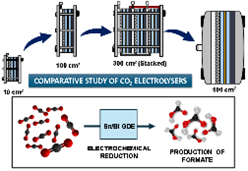
Scaling up electrochemical CO2 reduction to formate through comparative reactor analysis
Paniz Izadi* et al.
Citation: Ind. Chem. Mater., 2026, DOI: 10.1039/D5IM00056D.
DOI: https://doi.org/10.1039/D5IM00056D
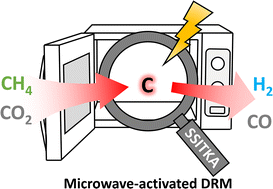
Kinetic advantages of microwave activation in the dry reforming of methane: insights gained by SSITKA
Tatsuya Hamashima, Atsushi Urakawa* et al.
Citation: Ind. Chem. Mater., 2026, DOI: 10.1039/D5IM00050E.
DOI: https://doi.org/10.1039/D5IM00050E
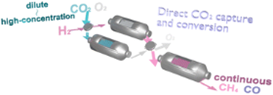
Continuous direct air capture and conversion tandem system applicable to a wide range of CO2 concentrations
Shinta Miyazaki, Akihiko Anzai,* Ken-ichi Shimizu* et al.
Citation: Ind. Chem. Mater., 2026, 4, 118-130.
DOI: https://doi.org/10.1039/D5IM00028A
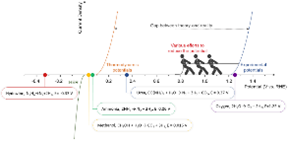
Unlocking the potential of chemical-assisted water electrolysis for green hydrogen production
Jiwoo Lee, Ho Won Jang* et al.
Citation: Ind. Chem. Mater., 2025, 3, 277-310.
DOI: https://doi.org/10.1039/D4IM00163J
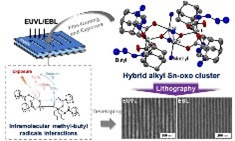
Hybrid alkyl-ligand tin-oxo clusters for enhanced lithographic patterning performance via intramolecular interactions
Hao Chen, Jialong Zhang,* Pengzhong Chen,* Xiaojun Peng* et al.
Citation: Ind. Chem. Mater., 2025, 3, 543-552.
DOI: https://doi.org/10.1039/D5IM00058K
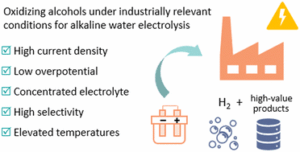
Electrooxidation of alcohols under the operating conditions of industrial alkaline water electrolysis
Floris van Lieshout, Dulce M. Morales* et al.
Citation: Ind. Chem. Mater., 2026, 4, 7-32.
DOI: https://doi.org/10.1039/D5IM00071H
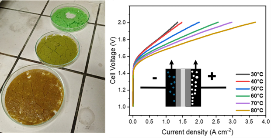
Amorphous nanostructured Ni–Fe oxide as a notably active and low-cost oxygen evolution reaction electrocatalyst for anion exchange membrane water electrolysis
Lorenzo Mirizzi, Roberto Nisticò,* Carlo Santoro* et al.
Citation: Ind. Chem. Mater., 2025, 3, 485-497.
DOI: https://doi.org/10.1039/D5IM00008D
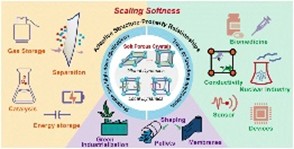
Soft porous crystals: flexible MOFs as a new class of adaptive materials
Jiahui Guo, Ken-ichi Otake,* Ming-Shui Yao,* Susumu Kitagawa* et al.
Citation: Ind. Chem. Mater., 2025, 3, 651-680.
DOI: https://doi.org/10.1039/D5IM00067J
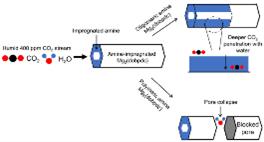
Amine-dependent CO2 sorption on amine-impregnated Mg2(dobpdc) MOF under humid conditions
MinGyu Song, Ryan P. Lively,* Christopher W. Jones* et al.
Citation: Ind. Chem. Mater., 2026, 4, 52-64.
DOI: https://doi.org/10.1039/D5IM00002E
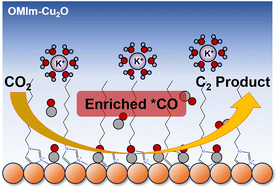
Imidazolium ligand-modified Cu2O catalysts for enhancing C2+ selectivity in CO2 electroreduction via local *CO enrichment
Rongzhen Chen, Yuhang Li* et al.
Citation: Ind. Chem. Mater., 2025, 3, 431-439.
DOI: https://doi.org/10.1039/D5IM00052A


Contact us: icm@rsc.org

Visit our website: rsc.li/icm

Find all the latest developments, research and news from across our portfolio on X, LinkedIn, and sign-up to our e-alerts.

Empowering Future Innovators: Industrial Chemistry & Materials PhD Forum

On 3 August 2025, the Industrial Chemistry & Materials (ICM) PhD Forum was held in Yangzhou, China, as part of the 4th National Youth Forum on Energy Chemistry (Chinese Chemical Society). The forum was organized by ICM Editorial Office and chaired by Prof. Jieshan Qiu from Beijing University of Chemical Technology, with esteemed expert commentators including Prof. Jinkui Feng (Shandong University), Prof. Qilong Zhu (Fujian Institute of Research on the Structure of Matter, CAS), Prof. Chao Lai (Jiangsu Normal University) and Prof. Qing Zhao (Nankai University).

The forum brought together 15 exceptional postdoctoral researchers and PhD candidates from chemical engineering and materials science. These young scholars were selected through a rigorous process combining expert recommendations and self-nominations, ensuring a diverse and high-quality lineup of speakers. Each participant delivered insightful oral presentations, highlighting cutting-edge advancements of their disciplines. After each presentation, the four expert commentators provided insightful feedback, engaged in discussions, and offered valuable research suggestions. The presenters greatly benefited from this exchange, which aligns perfectly with ICM’s mission—creating a premier platform for academic dialogue and collaboration.


List of Oral Presentations:


ICM is dedicated to fostering the growth of young scholars and providing a world-class platform for academic exchange. Through initiatives like this PhD Forum, ICM aims to bridge the gap between emerging talents and established experts, encouraging collaborative efforts and furthering the development of scientific research in industrial chemistry and materials science.