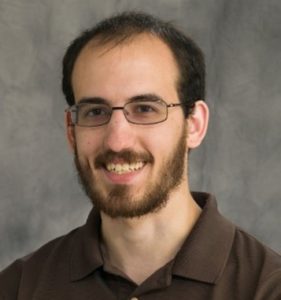
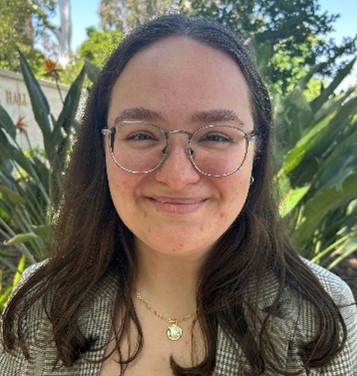
We are delighted to welcome our new Associate Editor Professor Michael Hayward from the University of Oxford, UK, to the Dalton TransactionsEditorial Board!
Michael’s research is in solid state inorganic chemistry and specifically focuses on the synthesis and detailed characterisation of new solid-state compounds which exhibit novel electronic and magnetic behaviours.
Michael Hayward is a Professor of Inorganic Chemistry at the University of Oxford. After completing a D.Phil. under the supervision of Prof. M. J. Rosseinsky at the University of Oxford, Prof. Hayward undertook a period of post-doctoral research with Prof. R. J. Cava at Princeton University, returning to Oxford in 2002 as a Royal Society University Research Fellow. In 2004 he was appointed as an Associate Professor in the Department of Chemistry, University of Oxford and Fellow of Somerville College. In 2015 he was promoted to Professor of Inorganic Chemistry. Research in the Hayward group focuses on the synthesis of novel solid compounds which exhibit interesting physical behaviour (magnetic, electronic, electrochemical, etc.). Materials are prepared principally via low-temperature, topochemical routes, which enable the synthesis of metastable phases and allow the introduction of a degree of ‘design’ into the preparation of solid-state materials.
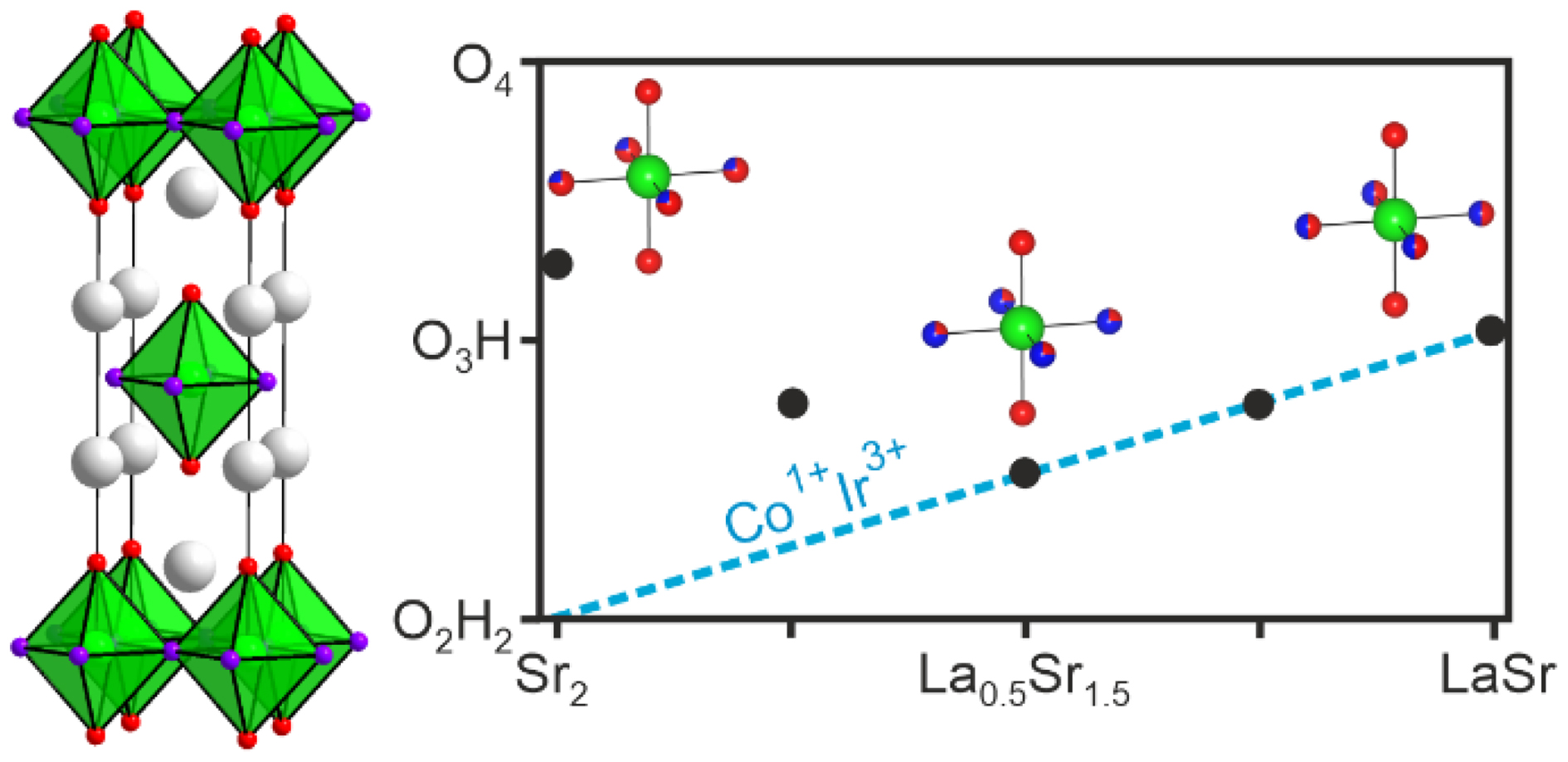
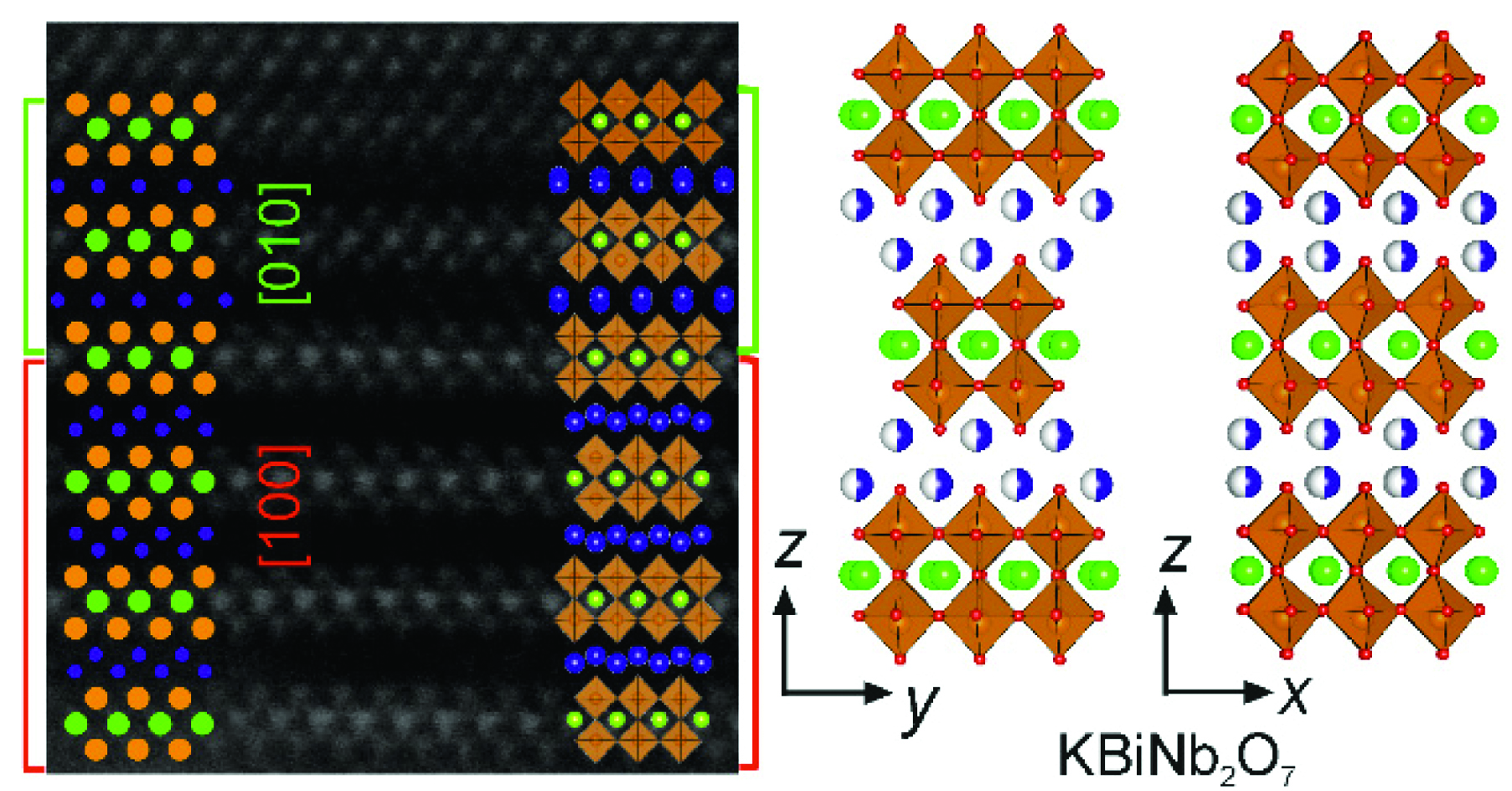
Take a look at Michael’s recent publications in Dalton Transactions:
Happy New Year from the Dalton Transactions Editorial Office!
In 2025, Dalton Transactions published 48 issues with over 1600 articles, including over 110 Frontier and Perspectives review articles, from 56 countries. With our articles receiving a total of over 2.4 million downloads within 90 days of being published, our articles have excellent visibility.
We are delighted to share with you some highlights from Dalton Transactions in 2025, including our Outstanding Paper Award winners, a new Associate Editor, themed collections, and our most popular articles from the year.
2024 Dalton Transactions Outstanding Paper Award Winners
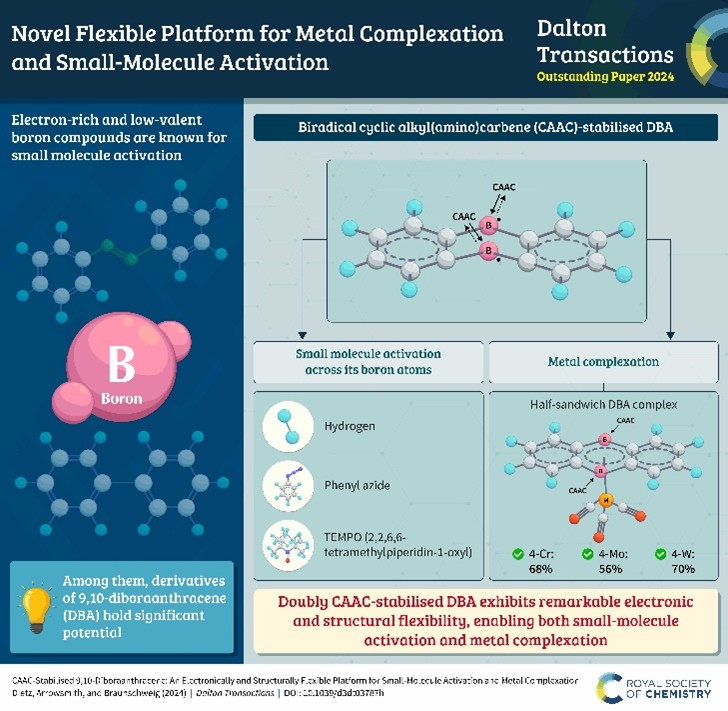
The Outstanding Paper Award is an award aimed at recognising the great work published in Dalton Transactions from the previous year. This year’s winners were Maximilian Dietz, Merle Arrowsmith and Holger Braunschweig for their paper:
Maximilian Dietz, Merle Arrowsmith and Holger Braunschweig*
Dalton Trans., 2024, 53, 449-453
In this outstanding article, the authors explored new reaction patterns of a doubly CAAC-stabilised 9,10-diboraanthracene derivative with small molecules and highlighted the structural and electronic flexibility of this framework through complexation with group 6 carbonyls.
New Associate Editor: Dinorah Gambino
In 2025, Dinorah Gambino from Universidad de la República, Uruguay, joined our Editorial Board as an Associate Editor. Dinorah’s research is in bioinorganic chemistry and specifically focuses on the development of new metal-based drugs for the treatment of neglected diseases caused by trypanosomatid parasites.
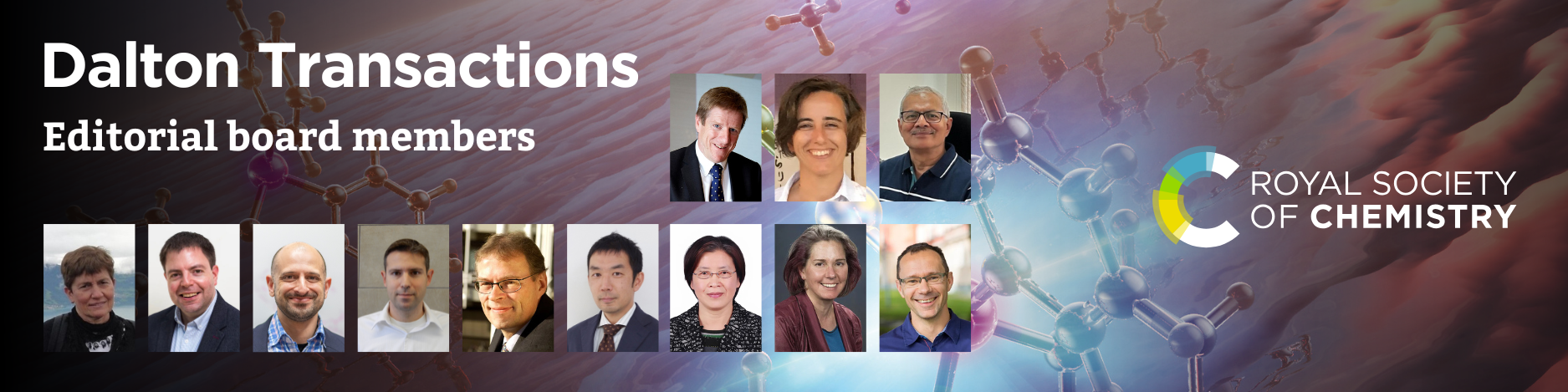
Our international Editorial Board is made up of 13 high-profile researchers across 12 countries worldwide with a wide range of expertise covering inorganic chemistry. Find out more about our Editorial Board members, here.
If you would like to contribute to the above collection, please email dalton-rsc@rsc.org.
2025 Nobel Prize in Chemistry
The 2025 Nobel Prize in Chemistry was awarded to Dalton Transactions authors Susumu Kitagawa, Richard Robson, and Omar M. Yaghi for their development of a new form of molecular architecture – metal–organic frameworks (MOFs). In celebration of this, we launched our MOFs: Three Decades of Design and Discovery collection.
Most popular articles from 2025
We are pleased to share a selection of our most popular articles from 2025 – all free to access until July 2026.
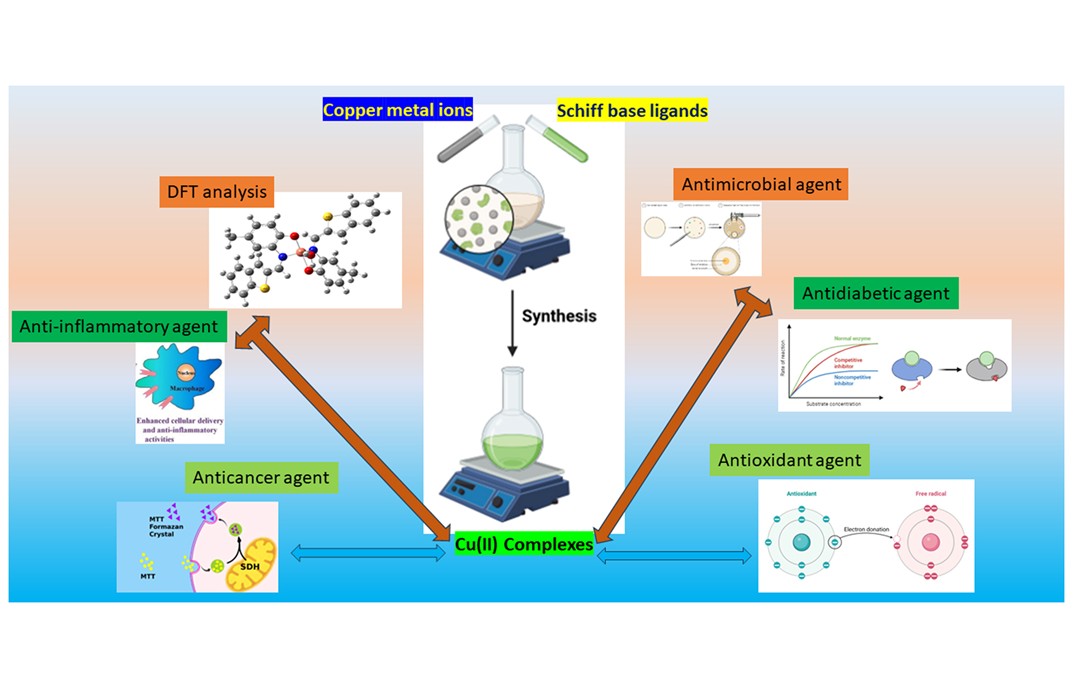
T. M. Dhanya, M. R. Prathapachandra Kurup, K. J. Rajimon, G. Anjali Krishna, Jibin K. Varughese, K. G. Raghu, Sachin Philip, K. M. Divya, Maria Augustine and P. V. Mohanan*
Dalton Trans., 2025, 54, 3216-3234
Dalton Transactions published our first Tutorial Reviews
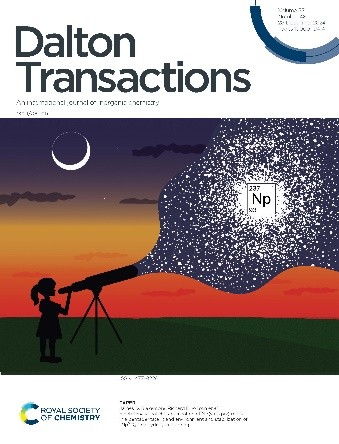
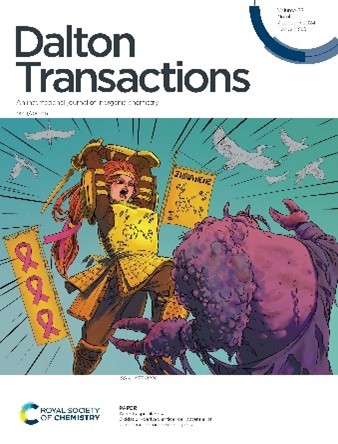
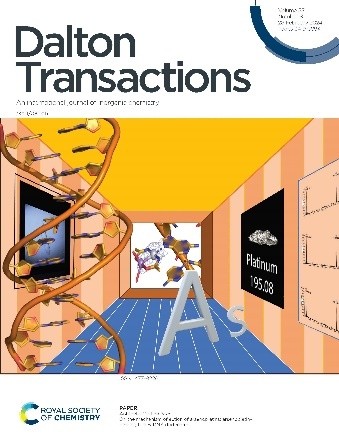
This year Dalton Transactions introduced three new awards to celebrate the cover artworks published in the journal from the previous year. These awards were voted for by the Dalton Transactions Editorial Board, our Editorial Office and the inorganic community via social media.
Check out the 2024 winners below.
Winner of the 2024 Dalton Transactions’ Best Cover Award, chosen by our Editorial Board:
We would like to thank our authors, reviewers, Editorial and Advisory Board members and the wider Dalton Transactions community for your continued support of our journal and wish you all the best for 2026.
Comments Off on Dalton Transactions highlights from 2025
We are delighted to welcome our new Associate Editor Professor Dinorah Gambino from the Universidad de la República, Uruguay, to the Dalton TransactionsEditorial Board!
Dinorah Gambino is Full Professor of Inorganic Chemistry (2010) at the Facultad de Química, Universidad de la República (UdelaR), Montevideo, Uruguay. She obtained a Pharmaceutical Chemist degree (1981), a doctoral degree in Pharmaceutical Sciences (1986) and a doctoral degree in Chemistry (2001) from the UdelaR. She spent a short postdoctoral stay with Malcolm Frier, Radiopharmacy Unit, Queen’s Medical Centre, Nottingham University, UK. Her current research focuses on the design and development of new metal-based prospective drugs for the treatment of neglected diseases caused by trypanosomatid parasites. She is an elected member of the Academia de Ciencias de América Latina (ACAL, 2023) and of the council of SBIC (2021-2025) and a senior researcher of the National Research System (SNI-ANII) and PEDECIBA (Program for the development of basic sciences) of Uruguay. She got the 2023 Vanadis award. She is part of the International Scientific Advisory Committees of the international conference series: LABIC, ISABC, SILQCOM and IVS (International Vanadium Symposium).
Take a look at Dinorah’s recent publications in Dalton Transactions:
Dalton Transactions now publishes Tutorial Reviews
We are delighted to introduce a new article-type to Dalton Transactions: Tutorial Reviews.
Tutorial Reviews are designed to introduce readers to a concept or methodology at the forefront of inorganic chemistry research and should particularly appeal to early career researchers as well as established researchers seeking new fields to explore.
Our Tutorial reviews will include a ‘key learning points’ box, highlighting up to five points that a reader should expect to gain from reading the review.
Our first Tutorial Review has now been published
Be sure to read our first Tutorial Review, written by Mamta Dagar and Ellen Matson from University of Rochester.
Here are the key learning points in this Tutorial Review:
1. Prevalent methodologies for assessing the physicochemical properties of inorganic electrolytes in non-aqueous redox flow batteries (RFBs).
2. Key design considerations for improving the efficiency of the battery electrolyte.
3. A systematic framework encompassing initial screening criteria and advanced characterization techniques for selecting suitable electrolyte candidates for RFBs.
4. A step-by-step guide for data collection, interpretation, and benchmarking of transport, electrokinetic, and electrochemical properties of electrolyte systems.
Please note that Tutorial Reviews are normally invited by the Editorial Board, however suggestions are welcome and enquiries, along with a brief synopsis and authors’ credentials, should be directed to the Editorial Board at dalton-rsc@rsc.org. Readers may nominate themselves, or others, to write a Tutorial Review.
We hope you enjoy reading the first Tutorial Review in Dalton Transactions. Keep an eye out for more in our journal.
Comments Off on Introducing Dalton Transactions’ new Tutorial Reviews
Happy New Year from the Dalton Transactions Editorial Office!
In 2023, Dalton Transactions published 48 issues with over 1800 articles, including 81 Frontier and Perspectives review articles, from 60 countries. With over 3 million article downloads, you can be confident that your article has excellent visibility.
We would also like share with you some highlights from Dalton Transactions in 2023, including our outstanding paper award, themed collections, and our most popular articles.
Meet our new Associate Editors
We were delighted to welcome Neal Mankad and Eric Rivard as Associate Editors to the journal in 2023. Read on to find out more about them and meet our full Editorial Board here.
Neal Mankad
Professor Neal Mankad, University of Illinois Chicago
Neal P. Mankad received his S.B. in chemistry from MIT in 2004 after having conducted undergraduate research with Prof. Joseph P. Sadighi on copper N-heterocyclic carbene complexes. In 2010, Neal earned a Ph.D. in inorganic chemistry from Caltech as an NSF graduate research fellow under the supervision of Prof. Jonas C. Peters, working on biomimetic and bioinspired complexes of copper and iron. During 2010-2012, he was an NIH postdoctoral research fellow at the University of California, Berkeley, with Prof. F. Dean Toste studying fundamental organometallic chemistry of gold.
Since 2012, Neal has been an independent faculty member in the Department of Chemistry at the University of Illinois Chicago (UIC), where his group focuses on synthetic inorganic and organometallic systems relevant to chemical sustainability. Selected research awards earned by Neal include the Alfred P. Sloan Research Fellowship and the NIH Maximizing Investigators’ Research Award (MIRA). He has also gained distinction for excellence in teaching, including by the UIC Teaching Recognition Program.
Eric Rivard
Professor Eric Rivard, University of Alberta
Eric Rivard completed his Ph.D. at the University of Toronto under the supervision of Professor Ian Manners in 2004. After NSERC sponsored postdoctoral work with Professors Jonas Peters (Caltech) and Philip Power (University of California, Davis), and a research stay with Professor Cameron Jones (Monash University), he joined the University of Alberta in 2008 where he is now a Full Professor. He has given over 200 invited lectures worldwide and has published around 150 articles. He was the inaugural 2016 Michael Lappert Lecturer from the RSC, an RCMS Visiting Professor at Nagoya University (2016), an Alexander von Humboldt Experienced Researcher Fellow (2017), held visiting fellowships in 2015 and 2023 from the Japan Society for the Promotion of Science (JSPS), was a Visiting Professor at National Taiwan University (2023), and won the 2018 Strem Chemicals Award for Pure and Applied Inorganic Chemistry (Canadian Society for Chemistry). The Rivard group studies fundamental low-coordinate and main group chemistry, catalysis, semiconducting material synthesis, and the development of phosphorescent materials and conjugated polymers based on inorganic elements.
2023 Dalton Transactions Outstanding Paper Award Winners
The Outstanding Paper Award is a new award aimed at recognising the great work published in Dalton Transactions from the previous year. This year’s winners were Bronte Charette, Lisa Olshansky, Paul Griffin and Claire Zimmerman for their paper:
Bronte J. Charette, Paul J. Griffin, Claire M. Zimmerman and Lisa Olshansky*
Dalton Trans., 2022, 51, 6212-6219
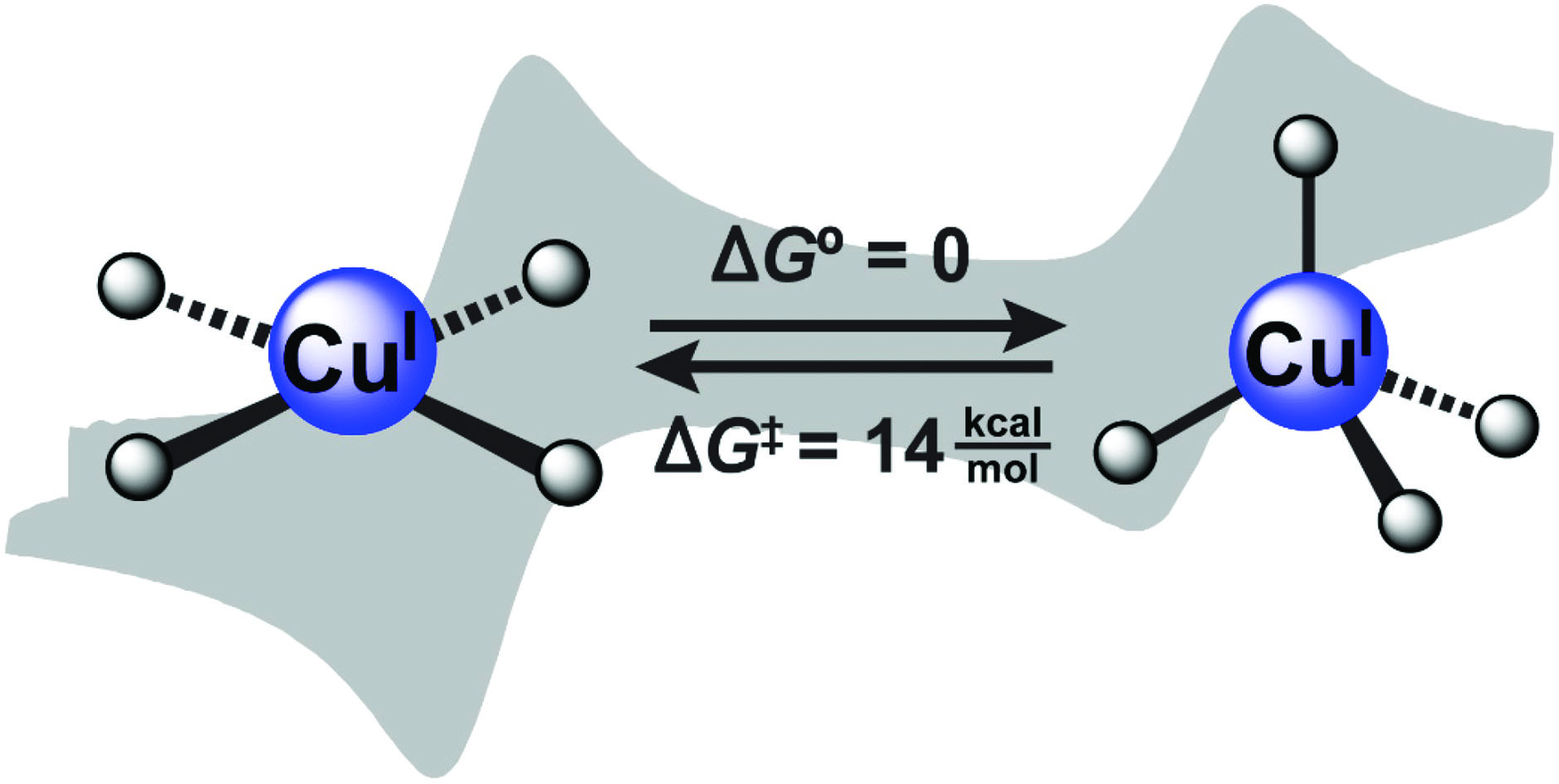
Graphical Abstract from Dalton Transactions paper: https://doi.org/10.1039/D2DT00312K
In this outstanding article, the authors explored the interplay between molecular and electronic structure for a series of Cu(I) and Cu(II) complexes with dpaR ligands through various spectroscopic and physical techniques.
Themed Collections
Find out more about the themed collections we have launched in 2023, including:
Highlighting recent developments in the application of the structural, optical, electronic and magnetic properties of inorganic and organometallic complexes in molecular electronics.
Includes recent research and reviews by early career researchers in the Asia-Pacific region, highlighting the achievements of emerging scientists in the field of inorganic chemistry
Guest Editors:
Jitendra K. Bera, Indian Institute of Technology Kanpur
Sally Brooker, University of Otago
Takashi Uemura, University of Tokyo
Li-Min Zheng, Nanjing University
Themed Collections still open for submissions:
Intercalation Compounds: properties, mechanisms and advanced applications
Submission deadline: 31st January 2024
Guest Editors:
Chiara Bisio, University of Eastern Piedmont Sebastien Cahen, Institut Jean Lamour – CNRS-Université de Lorraine
Fabrice Leroux, University of Clermont-Ferrand
Recent Progress and Perspectives on Spin Transition Compounds
Submission deadline: 16th February 2024
Guest Editors:
Shinya Hayami, Kumamoto University
Malcolm Halcrow, University of Leeds
Birgit Weber, University of Jena
If you would like to contribute to any of the above collections, please email dalton-rsc@rsc.org.
Most popular articles from 2023
We are pleased to share a selection of our most popular articles from 2023 – all free to access until July 2024.
Graphical Abstract from Dalton Transactions paper: https://doi.org/10.1039/D3DT00413A
We are delighted to announce the winner of our 2022 Outstanding Paper Award.
The Outstanding Paper Award is a new award aimed at recognising the great work published in Dalton Transactions from the previous year. The process for selecting the winner involves the shortlisting of papers published in the journal within the previous year based on nominations by members of the Editorial Board as well as a variety of metrics including article downloads, Altmetric score and citations. The Editorial Board then votes on this shortlist to select the winner.
Bronte J. Charette, Paul J. Griffin, Claire M. Zimmerman and Lisa Olshansky*
Dalton Trans., 2022, 51, 6212-6219
In this outstanding article, the authors explored the interplay between molecular and electronic structure for a series of Cu(I) and Cu(II) complexes with dpaR ligands through various spectroscopic and physical techniques.
Meet the authors of this outstanding paper
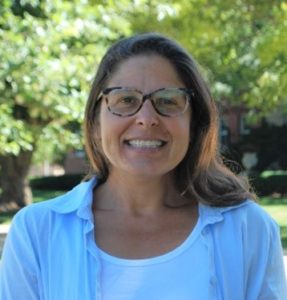
Lisa Olshansky
Lisa Olshansky is an Assistant Professor of Chemistry at UIUC. She received her PhD from MIT in 2015. Her current research focuses on mimicking the ways that biological systems efficiently interconvert different forms of energy. Specifically, she hypothesizes that there is a critical interplay between macroscopic changes in molecular structure and subatomic changes in electronic structure that can be leveraged for diverse applications ranging from solar energy conversion to biomedical research. Olshansky has been named a Searle, Vallee, and Cottrell Scholar, a Kavli fellow (2022), and has received early career research awards from the NIH and DOE.
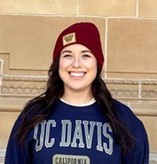
Bronte Charette
Bronte obtained her B.Sc. in Chemistry from the University of Winnipeg where she began her research career in synthetic inorganic chemistry which she continued during her M.Sc. studies under the supervision of Prof. Jamie Ritch at the University of Manitoba. In 2021, Bronte received her Ph.D. in Chemistry from the University of California, Irvine as a Natural Science and Engineering Research Council of Canada (NSERC) Postgraduate Doctoral Fellow with Prof. Alan Heyduk. Her postdoctoral work with Prof. Lisa Olshansky focused on synthesizing switchable transition metal complexes for renewable energy conversion strategies. Bronte is excited to start her independent career as an assistant professor at UC Davis this summer.
Paul Griffin
Paul Griffin received his bachelor’s in chemistry and philosophy (2016) and his Master’s in chemistry (2018) from the University of Scranton. His master’s research was conducted under Dr Art Catino in which he developed a general approach to synthesize substituted tetraarylmethanes. Paul recently obtained his PhD in inorganic chemistry at the University of Illinois, Urbana-Champaign (2023), where he works with Lisa Olshansky to study the relationship between conformational dynamics, photochemistry, and electron transfer in copper coordination complexes. Paul is passionate about mentoring the next generation of scientists and explores his philosophy interests by having riveting discussions with his cat, Mookie.
Claire Zimmerman
Claire completed her B.S. at the University of Illinois at Urbana-Champaign under Dr Lisa Olshansky. She is currently in her first year of graduate studies at the University of California Irvine with Dr Jenny Yang.
Please join us in congratulating this year’s winners and read the outstanding paper here.
Comments Off on Dalton Transactions Outstanding Paper Award 2022
We have updated our reviewer recommended ‘HOT articles’ for 2022.
We update our HOT articles collection quarterly and make the selected articles free to access until 18 November 2022! This collection represents the top 10% of research published in Dalton Transactions between July – September 2022.
The one-day meeting attracted a large number of attendees throughout the day. The purpose was to strengthen the interaction of inorganic research groups within the island and to foster synergies and opportunities. The symposium hosted a series of talks, oral flash presentations, and posters, and showed the full breadth, diversity, and high quality of inorganic chemistry in Ireland.
Congratulations go to the 4 prize winners. Best oral prizes go to Gita Singh (Chemical Science) and Lorna Doyle (Dalton Transactions). Best poster presentations go to Rosy Polisicchio (Inorganic Chemistry Frontiers) and Sanjukta Pahar (RSC Advances).
Comments Off on Congratulations to the winners of the Inorganic Ireland Symposium
We have updated our reviewer recommended ‘HOT articles’ for 2021.
We update our HOT articles collection quarterly and make the selected articles free to access until 24 May 2021! This collection represents the top 10% of research published in Dalton Transactions between January – March 2021.
We have updated our ‘HOT articles’ for the last quarter of 2020.
We update our HOT articles collection quarterly and make the selected articles free to access until 18 February 2021! This collection represents the top 10% of research published in Dalton Transactions between October – December 2020.


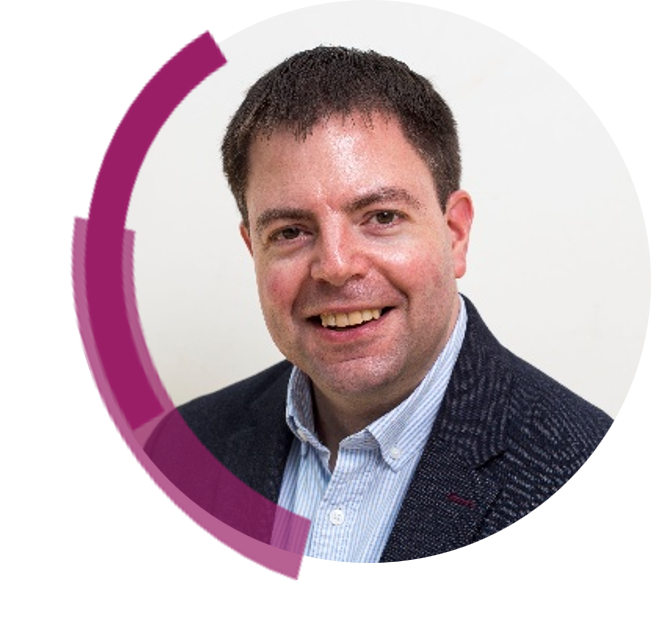 Michael Hayward is a Professor of Inorganic Chemistry at the University of Oxford. After completing a D.Phil. under the supervision of Prof. M. J. Rosseinsky at the University of Oxford, Prof. Hayward undertook a period of post-doctoral research with Prof. R. J. Cava at Princeton University, returning to Oxford in 2002 as a Royal Society University Research Fellow. In 2004 he was appointed as an Associate Professor in the Department of Chemistry, University of Oxford and Fellow of Somerville College. In 2015 he was promoted to Professor of Inorganic Chemistry. Research in the Hayward group focuses on the synthesis of novel solid compounds which exhibit interesting physical behaviour (magnetic, electronic, electrochemical, etc.). Materials are prepared principally via low-temperature, topochemical routes, which enable the synthesis of metastable phases and allow the introduction of a degree of ‘design’ into the preparation of solid-state materials.