
We are delighted to announce the winner of the CrystEngComm Outstanding Paper Award, 2022
The Outstanding Paper Award is a new award aimed at recognising the high-quality work published in CrystEngComm from the previous year, acknowledging the excellence of the paper as a whole and recognising the contributions of all the authors.
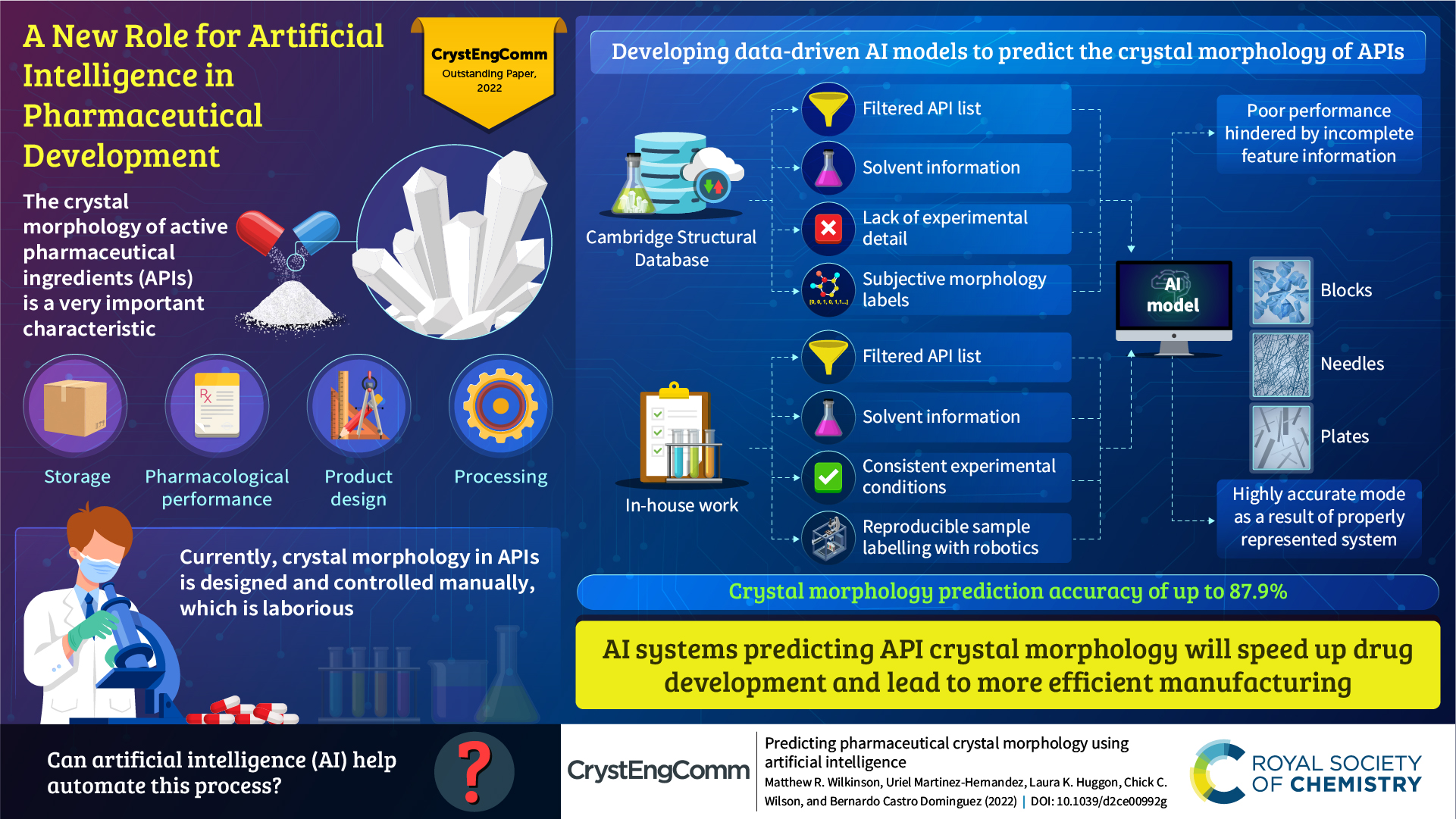
Congratulations to the winners of the CrystEngComm Outstanding Paper Award 2022, as selected by the Editorial Board, for their work on Predicting pharmaceutical crystal morphology using Artificial Intelligence: Matthew R. Wilkinson, Uriel Martinez-Hernandez, Laura K. Huggon, Chick C. Wilson and Bernardo Castro Dominguez.
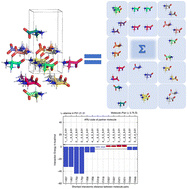
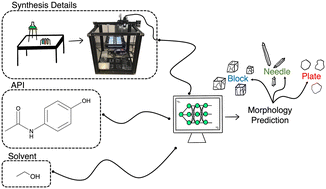
The authors presented the use of artificial intelligence to predict the morphology of crystallizing active pharmaceutical ingredients, first using publicly available data, and then using their own screening efforts to address the limitations they identified.
Meet the authors of this Outstanding Paper
Matthew R. Wilkinson

Matthew is currently in the closing stages of completing of his PhD, with his thesis titled “Deep Learning for Solid Form Engineering”. Matthew’s PhD was undertaken as part of the Department of Chemical Engineering at the University of Bath in partnership with the Institute for Sustainability and CMAC future manufacturing hub. Prior to his PhD studies, Matthew graduated from the Department of Chemistry at the University of Bath with an MChem Chemistry for Drug Discovery with Industrial Training. Matthew has undertaken further industrial placements with the Alan Turing Institute and Ignota Labs during his PhD which have furthered his research and career interests, which now align with applying Artificial Intelligence to solve real-world challenges in industrial and research settings.
Uriel Martinez-Hernandez
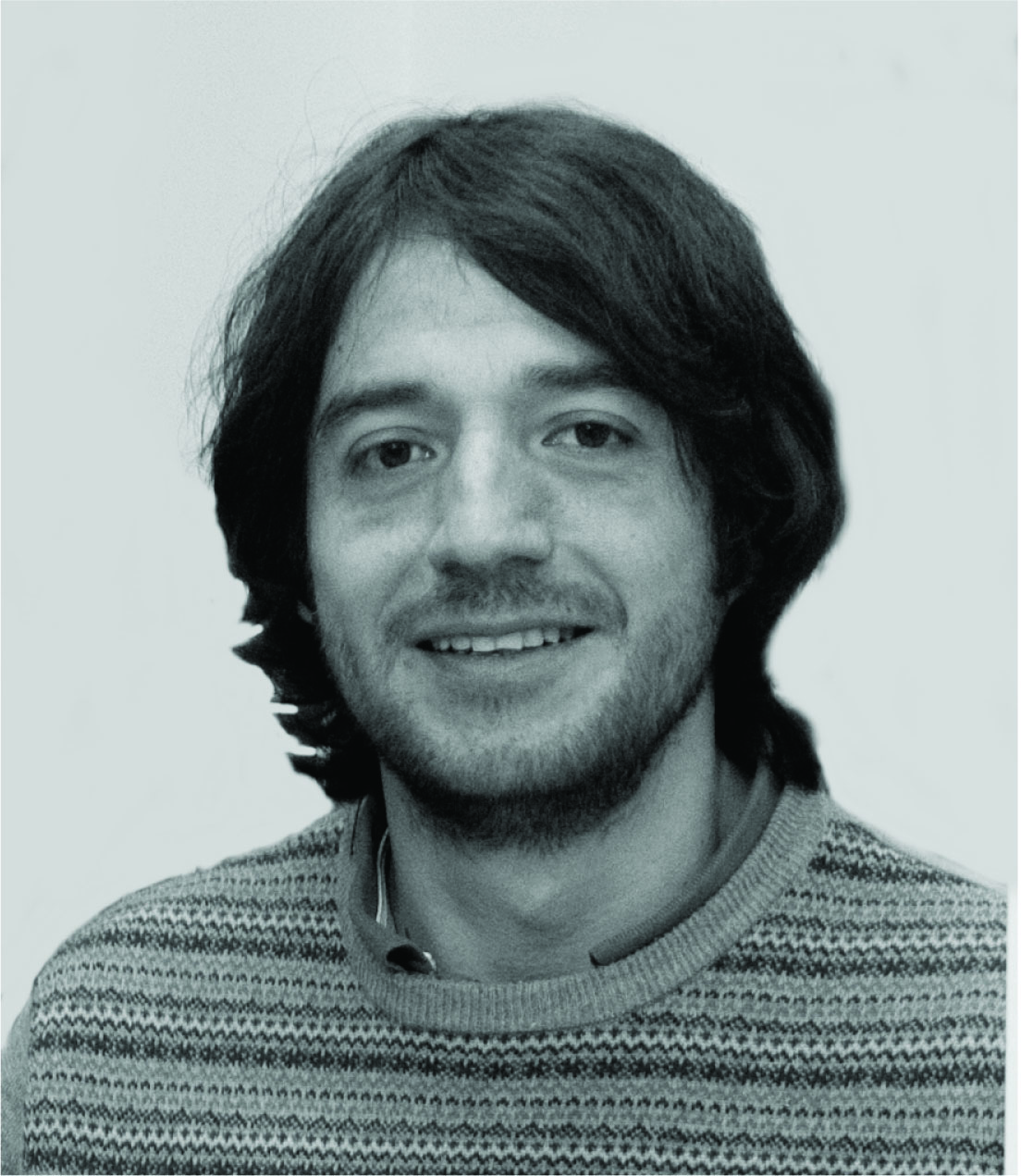 Uriel received his MSc in Computer Science from the Centre for Research and Advanced Studies, Mexico in 2008, and his PhD in Robotics and Machine Learning from the University of Sheffield in 2015. He was a Research Associate and Research Fellow at Sheffield Robotics, University of Sheffield and the Institute for Design, Robotics and Optimisation (iDRO), University of Leeds, respectively. He is currently a Lecturer (Assistant Professor) in Robotics and Autonomous Systems at the University of Bath, Director of MSc in Robotics and Autonomous Systems, core member of the Centre for Autonomous Robotics (CENTAUR) and CDT in Accountable, Responsible and Transparent Artificial Intelligence. His research interests include machine learning, multimodal sensing and active perception, wearable assistive robotics, autonomous robots and human–robot interaction.
Laura Huggon
 Laura has recently graduated from the University of Bath with an MSc in Molecular Biosciences during which time she worked as a research assistant in the Smart Process Engineering Lab. Laura is now in the first year of her PhD at King’s College London, where her research explores synaptic dysfunction in TDP-43 amyotrophic lateral sclerosis and frontotemporal dementia, as part of the UK Dementia Research Institute. Laura also holds a BSc Biochemistry with Industrial Training from the University of Bath. Laura’s career goals and research interests centre around furthering understanding of the mechanisms behind neurodegenerative conditions.
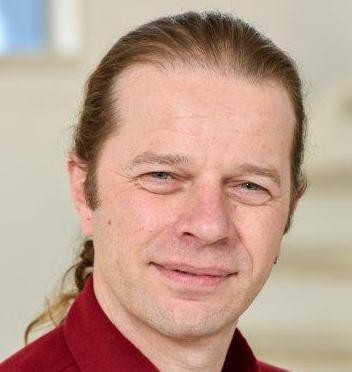
Chick Wilson
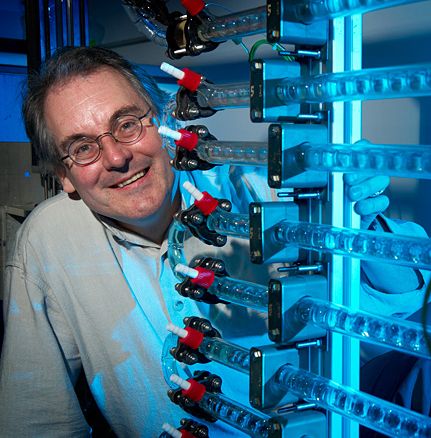 Chick Wilson is Emeritus Professor of Chemistry at the University of Bath; prior to his retirement in 2021, he was Associate Dean for Research and Chair of Physical Chemistry. His almost 40 years research career in structural chemistry and crystallisation science was split roughly 50:50 in time between posts in national labs (Rutherford Appleton) and in academia (Universities of Glasgow, Bath). He was involved in many larger projects including at neutron and synchrotron radiation central facilities, as a founder member of the CMAC academic-industry Continuous Manufacturing and Advanced Crystallisation consortium, and the Bath M4 metastable materials programme. He held many advisory roles in the UK and overseas including with EPSRC, STFC and ILL, Grenoble
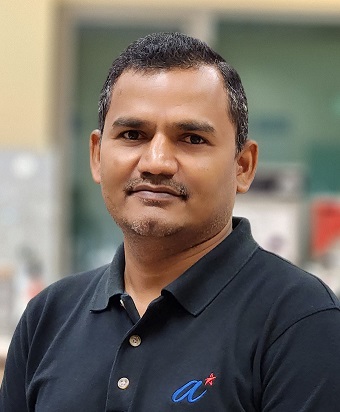
Bernardo Castro-Dominguez
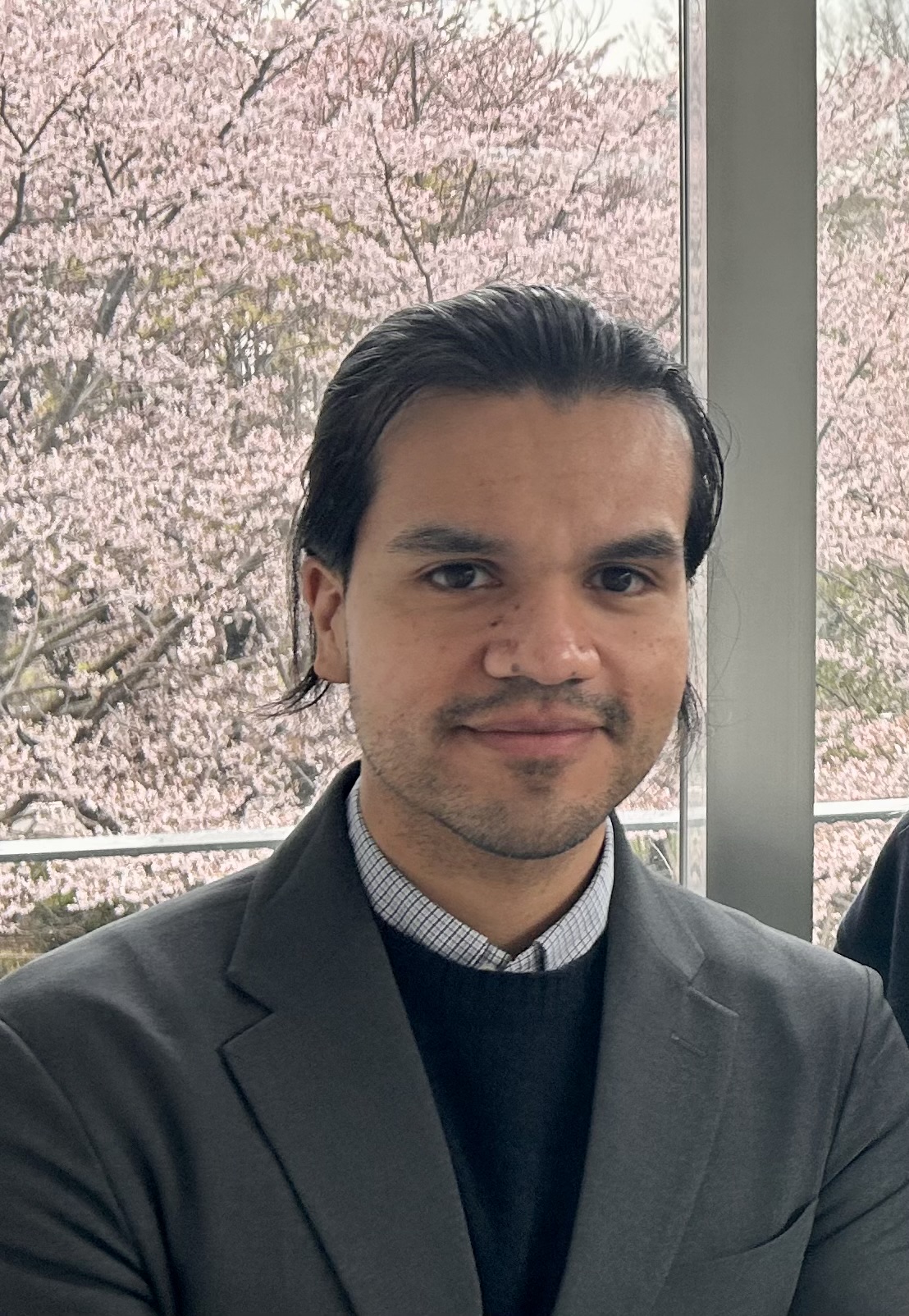
Bernardo Castro-Dominguez is an Assistant Professor in Chemical Engineering at the University of Bath, where he also holds the prestigious position of Co-Director of the Centre for Digital Manufacturing and Design (dMaDe). He received his PhD from the University of Tokyo in 2013. His research focuses on the implementation of high throughput experimental technologies, machine learning and AI for materials discovery and process optimization. Bernardo is interested in developing materials and processes that enable sustainability and circularity. Bernardo’s research has been funded by the FDA, UKRI, British Council, Royal Society of Chemistry and other organizations.
Read the full outstanding article:
|
Predicting pharmaceutical crystal morphology using artificial intelligence Matthew R. Wilkinson, Uriel Martinez-Hernandez, Laura K. Huggon, Chick C. Wilson and Bernardo Castro Dominguez CrystEngComm, 2022, 24, 7545-7553 |
 |
Please join us in congratulating this year’s winners!