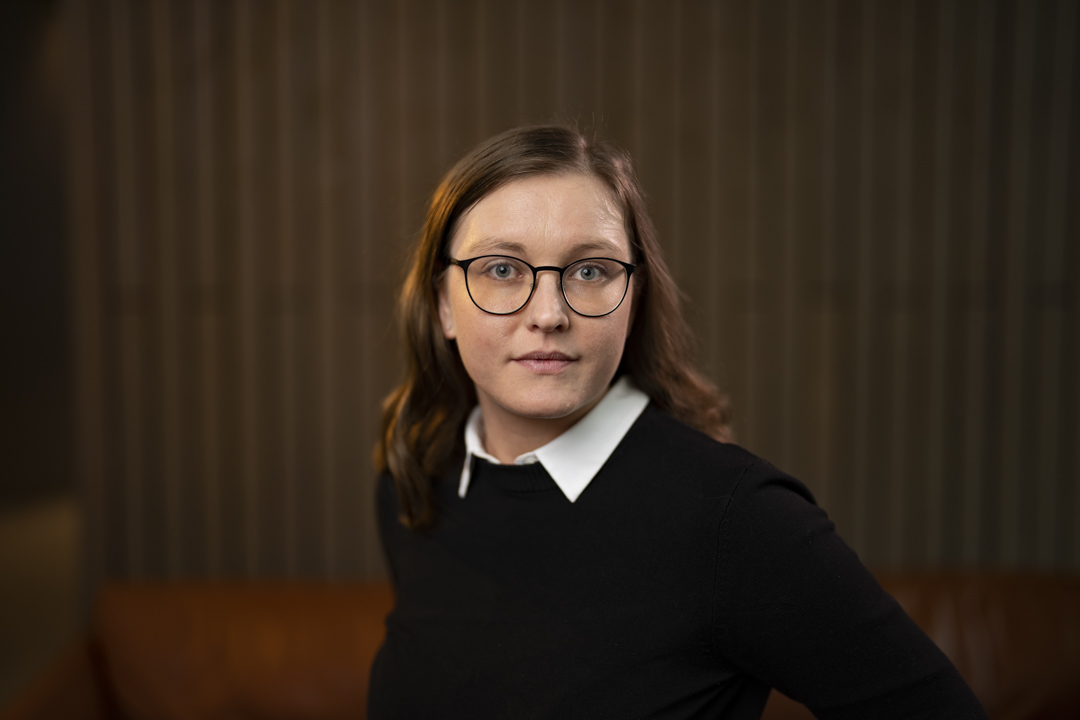

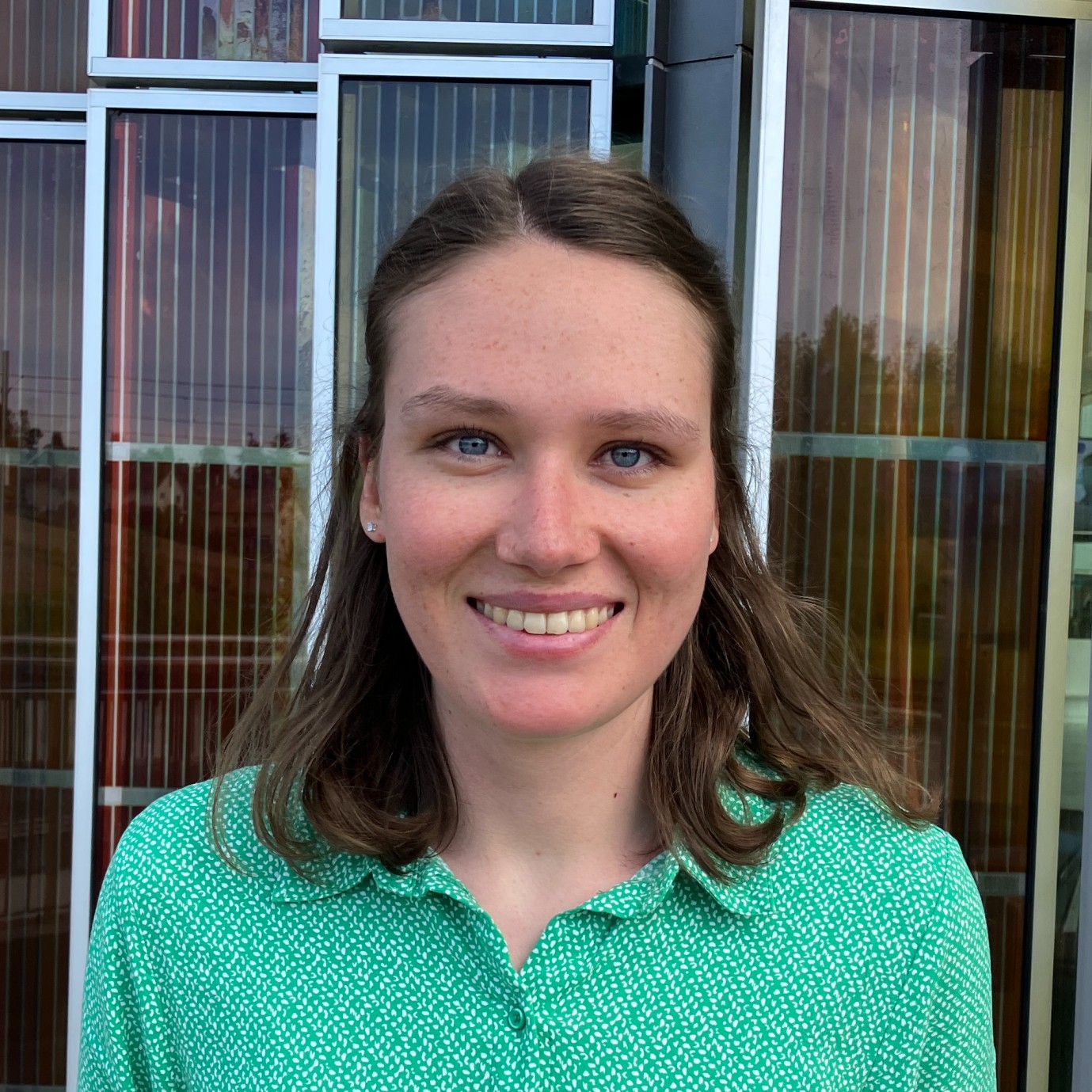
 Marie Jones is a Chemical Engineer (Imperial College London) with a PhD from EPFL (Switzerland). As a Marie Skłodowska-Curie fellow, she combined experimental biomass research with process system engineering to accelerate biorefinery industrialisation, partnering with the start-up Bloom Biorenewables to test her work against industrial reality. In 2025, she chaired the Gordon Research Seminar on Biomass to Chemicals and Materials in the US. She has also advised the European Commission on its Bioeconomy and Plastics Strategies, reflecting her commitment to translating research into evidence-based policy for a circular (bio)economy.
Read Marie’s Emerging Investigators article titled “Process-driven optimisation of an integrated lignin-first biorefinery for sustainability and economic viability” and find out more about her in the interview below:
You recent Emerging Investigators article focuses on Process-driven optimisation of an integrated lignin-first biorefinery for sustainability and economic viability. How has your research evolved from your first article to this most recent one?
My early work used techno-economic assessment (TEA) and life-cycle analysis (LCA) to estimate the production costs and carbon intensity of new biobased products, after the fact. Since then, my research has shifted toward embedding these tools directly into experimental design and pilot-scale process optimisation. Rather than acting as a “proof-of-concept” checkpoint at the end of process design, TEA and LCA now function as a bridge across stages of development, informing decisions from the outset. I’m excited about where this is heading as combining early-stage TEA and LCA with de-novo molecular generation could really accelerate chemical discoveries!
What aspect of your work excites you most right now?
What excites me most is moving from designing greener technologies to evaluating their potential at system scale. I’ve always been drawn to connecting the molecular scale with the system scale, and now having the chance to feed those results into policy conversations feels like a dream coming true. For instance, our work showing that painstakingly transforming bio-based molecules to match aromatics used in plastics today is not an efficient use of resource raises real questions: how should biobased content targets for plastics be set, and how can more resource-efficient dedicated bioplastics be integrated into existing recycling infrastructure? These are exactly the kinds of questions I hope my future research can help answer.
Which profession would you choose if you were not a scientist?
What I like the most about being a scientist is digging for information and sharing it, so this could have also led to me being a reporter. I love the excitement when getting closer to finding the missing piece of a puzzle and revealing it to the rest of the world. In a way, science is just uncovering nature’s best-kept secrets!
What one piece of career advice would you share with other early career scientists?
The most valuable thing I’ve done is connect with other young professionals, especially outside my own field, and outside science altogether. Disruptive ideas tend to come from looking at a problem through someone else’s lens, so my advice is: stay curious, share your research vision openly, and genuinely listen to others’. Unexpected collaborations often follow, and along the way you’ll get better at explaining your science to a broader audience, strengthening its impact.
How do you feel about Sustainable Energy & Fuels as a place to publish research on this topic?
Finding a home for research that bridges bench-scale experiments and process simulation isn’t always straightforward. Sustainable Energy & Fuels stood out as the ideal outlet, read by chemists and engineers alike, it lets our work reach both the lab bench and the simulation desk.