
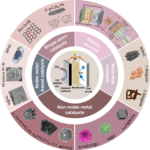
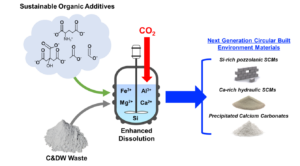
CO2 capture, conversion, and utilization (CCU) are essential components in the future of carbon management, addressing one of the most urgent societal challenges: mitigating climate change. These processes are enabled by the development of advanced sorbent and catalyst materials, often combined with innovative reactor designs and novel process concepts that enhance efficiency and scalability.
This special issue is guest edited by Prof. Chunshan Song, Prof. Atsushi Urakawa, Prof. De Chen, Prof. Christoph Mueller and Prof. Angela Dibenedetto, highlighting cutting-edge research and expert perspectives on the current status, future directions, and recent breakthroughs in CCU technologies.
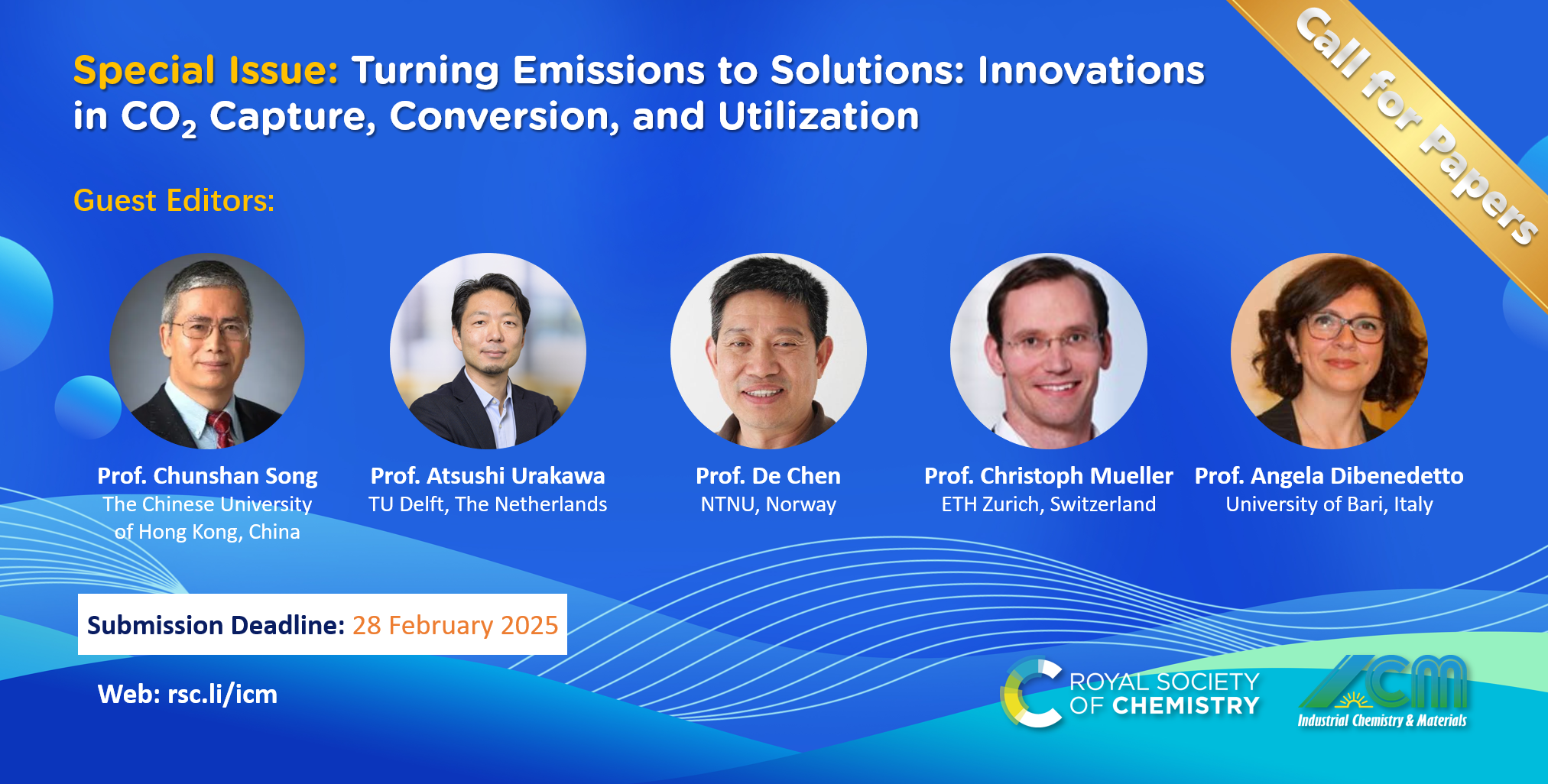
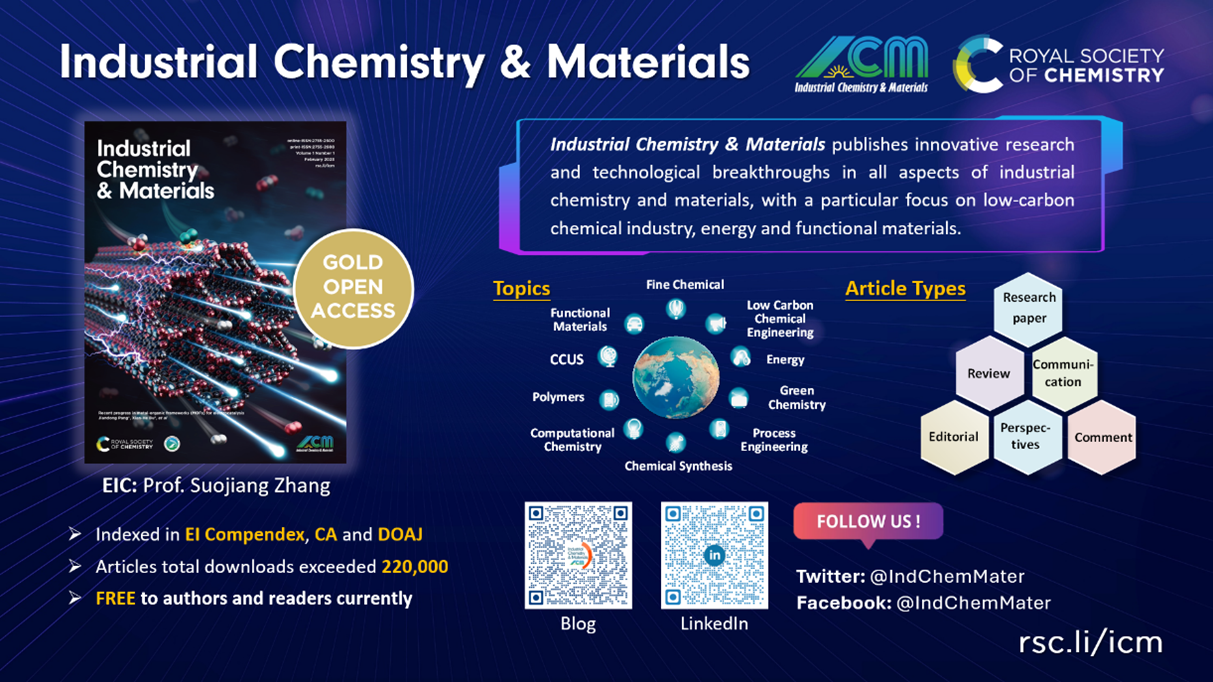
We welcome contributions in the form of Research papers, Communications, Reviews and Perspectives on topics including, but not limited to:
- CO2 capture materials
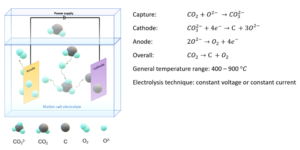
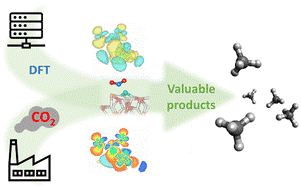
- CO2 conversion catalysis with thermal, electro and/or photo activation
- Catalytic membrane reactor with product separation
- Use of CO2 as oxidant
- Integrated CO2 capture and conversion
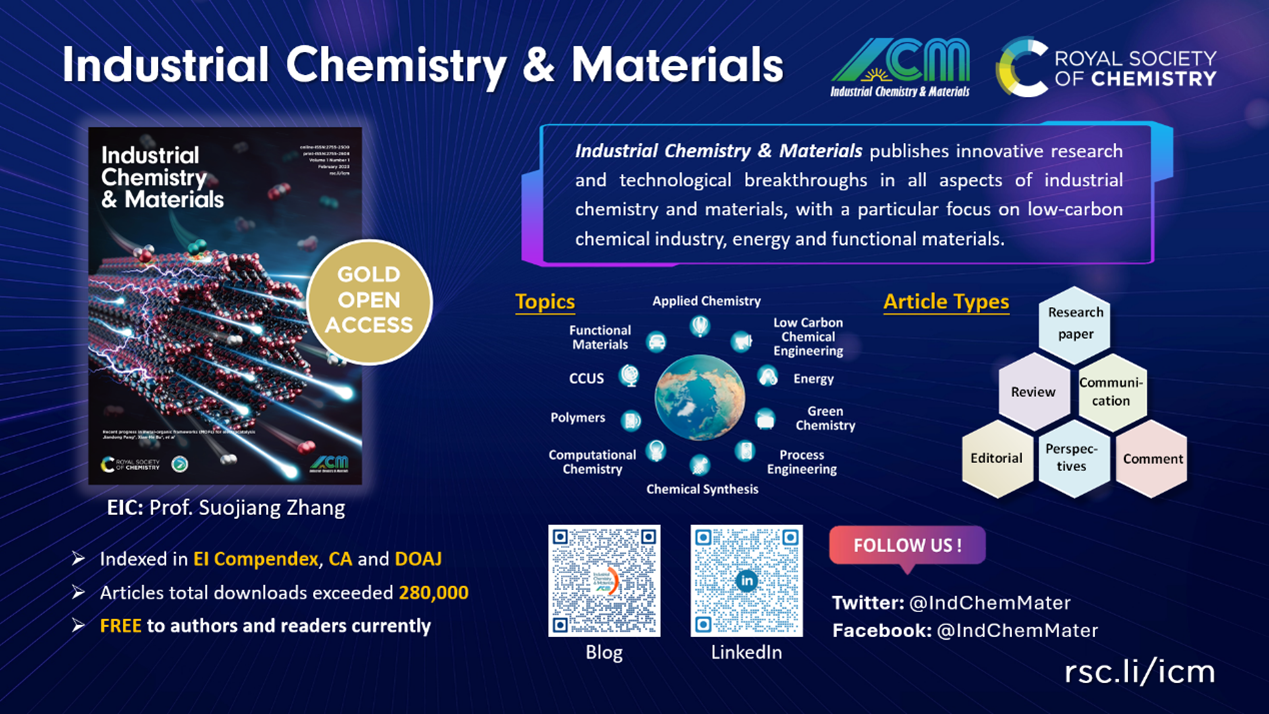
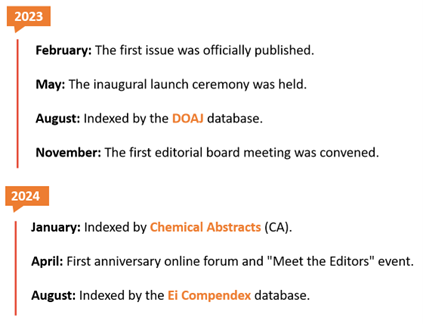
The deadline for submission to this collection will be 28 February 2025. Currently, ICM offers free publication and access, allowing you to publish high-quality work without any article processing fees. Please submit your manuscript via: https://mc.manuscriptcentral.com/icmat.

Contact us: icm@rsc.org
Visit our website: rsc.li/icm
Find all the latest developments, research and news from across our portfolio on X, LinkedIn, and sign-up to our e-alerts.


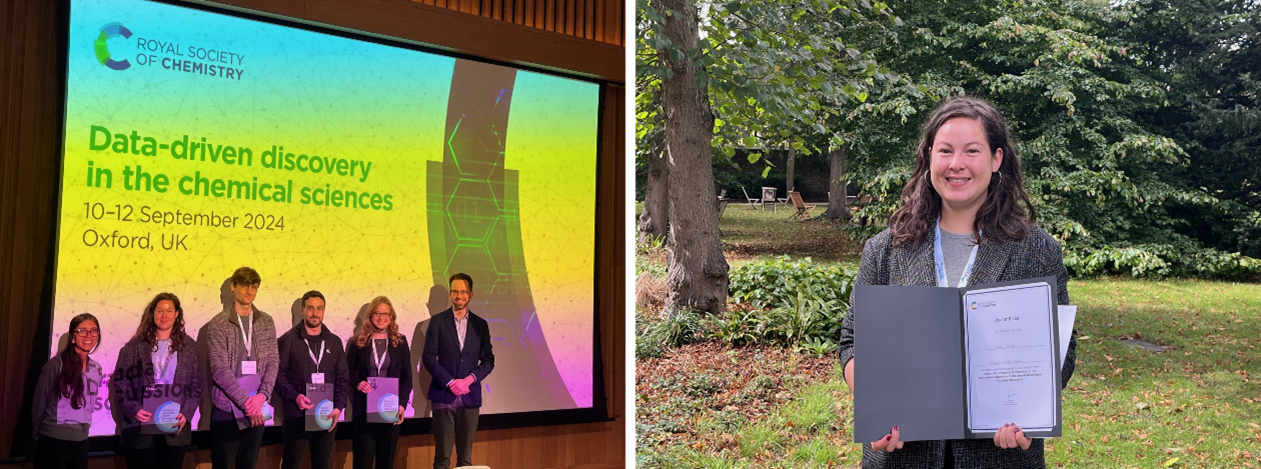

 Dr. Jeremy P. Allen joined the Royal Society of Chemistry in 2014 as a Publishing Editor, initially working on the journals Physical Chemistry Chemical Physics and Nanoscale. In 2018, he became the Deputy Editor for Chemical Science. Since early 2022, Dr. Allen has served as the Executive Editor for Materials Advances and Nanoscale Advances, leading the development of these journals and collaborating closely with their Editorial Boards. He is also the Executive Editor of two newly launched journals, RSC Applied Interfaces and RSC Applied Polymers.




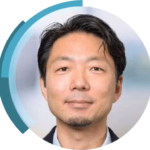 Professor Atsushi Urakawa obtained his PhD in 2006 at ETH Zurich (Switzerland). Then, he worked as a Senior Scientist and Lecturer at ETH Zurich before joining ICIQ (Spain) in 2010 as a Group Leader. In 2019, he took on a new challenge as Professor of Catalysis Engineering at ChemE, TU Delft. His research group is dedicated to developing novel heterogeneous catalysts and catalytic processes that minimize energy usage and reduce negative impacts on the environment and human health. By employing a multidisciplinary approach that integrates material science, reaction engineering, and in situ/operando methodologies, they aim to gain a thorough understanding of active sites and transformation pathways. Their primary target reactions include CO2 conversion to valuable chemicals, methane activation, environmental catalysis (NOx abatement), and hydrogen production through electro- and photocatalytic activation. He was elected Fellow of the Royal Society of Chemistry (FRSC) in 2016 and has received numerous accolades, including the JSPS Prize (2020) and The Japan Academy Medal (2021).

 Contact us: