Emerging Investigator Series: Aleksandra Szczuka

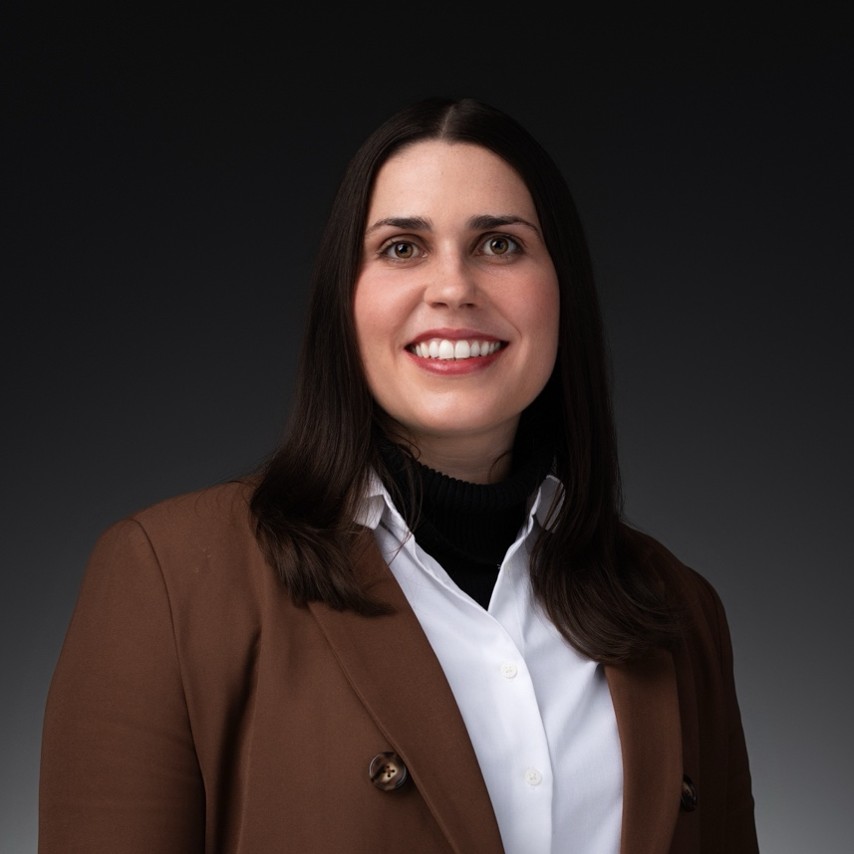
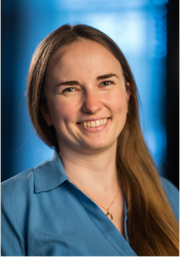
Aleksandra “Alex” Szczuka is an Assistant Professor in the Civil and Environmental Engineering department at the University of Michigan. Her research, motivated by broad access to affordable water, uses fundamental chemistry and microbiology to inform treatment of non-traditional water sources to safeguard public health. Alex’s research team is especially interested in understanding the drivers of acute and chronic health risks in water and in advancing emerging treatment technologies. She collaborates with researchers, engineers, and utility practitioners. Alex received her Ph.D. and M.S. degrees in Civil and Environmental Engineering from Stanford University, and a B.S.E. degree in Chemical and Biological Engineering from Princeton University. Prior to starting her lab, Alex was a Presidential Postdoctoral Fellow at the University of Michigan.

Read Lauren’s Emerging Investigator Series article “Mass spectrometry coupled to infrared ion spectroscopy – distinguishing positional isomers of chlorinated nucleoside analogues – novel disinfection byproducts” and learn more about her in the interview below:

Your recent Emerging Investigator Series paper focuses on the use of infrared ion spectroscopy (IRIS) to distinguish between positional isomers of chlorinated nucleosides which are disinfection by-products (DBP) of emerging concern. How has your research evolved from your earliest work to your independent research?

My first article as an undergraduate examined mercury uptake by bacteria and introduced me to the intersection of chemistry and biology. Since then, my research interests have moved to engineered water systems. During my Ph.D., I studied disinfection byproduct (DBP) control in water reuse systems, and during my postdoc, I studied virus inactivation mechanisms. My independent research now combines these threads. My team seeks to understand the chemical and biological drivers of health risk in non-traditional water sources, where we develop tools to better characterize the mechanisms behind contaminant persistence and strategies that utilities can use to lower these risks. Infrared Ion Spectroscopy (IRIS) is one such tool.

What aspect of your work are you most excited about at the moment?

I am most excited about my team’s work on biomolecule oxidation. Biomolecule reactivity has underexplored implications for pathogen inactivation, emerging DBP formation, and biomedical research. We are beginning to apply advanced analytical chemistry techniques to understand this reactivity and explore the consequences of biomolecule modification.

In your opinion, what are the most important questions to be asked/answered in your field of research?

“How can we best adapt to threats to our water supplies?” The quality of our freshwater is becoming increasingly unpredictable, whether due to inputs such as agricultural runoff, wastewater, or seawater intrusion, or to more extreme weather events such as storms and droughts. At the same time, advances in analytical methods allow us to detect previously undetectable contaminants, as well as emerging ones. Deciding which contaminants to monitor and regulate, and how best to translate research results into practice, will determine our ability to build resilience into our water systems amid uncertainty.

What do you find most challenging about your research?

Environmental samples are complex: many biological and chemical contaminants are present at trace concentrations, matrix effects complicate their detection, and it is unclear which surrogates best represent the risks posed by pathogens and chemicals. Advances in analytical methods are narrowing gaps in identification, but linking complex mixtures to biological effects remains difficult.

In which upcoming conferences or events may our readers meet you?

There are really great conferences coming up over the next year. I am a fan of the Water Quality Technology Conference (WQTC), which has a great mix of researchers and practitioners and is a great place to form collaborations with those outside academia. The next meeting is in November in Memphis. A few collaborators and I will be hosting a session at the Spring 2027 American Chemical Society (ACS) meeting on oxidation chemistry: we have an awesome lineup of speakers from both the chemical and biological subfields, so if you are in the New Orleans area in March, please drop by!

How do you spend your spare time?

My days revolve around a happily spoiled dog, Jack, and many food-oriented activities: I have successfully grown carrots and one ear of corn this year and have been turning them into various soups. I always embrace classic Michigan activities: I recently went apple picking and am looking forward to cozying up with my two snow shovels this winter.

Which profession would you choose if you were not a scientist?

Science communication. We need more people who can share science clearly with the public.

Can you share one piece of career-related advice or wisdom with other early career scientists?

Build collaborations with both academics and practitioners. Some of the most compelling research questions come from engaging with those who confront these challenges in practice.

Digg This
Reddit This
Stumble Now!
Share on Facebook
Bookmark this on Delicious
Share on LinkedIn
Bookmark this on Technorati
Post on Twitter
Google Buzz (aka. Google Reader)

Emerging Investigator Series: Lauren Kennedy

Lauren Kennedy is an assistant professor in the department of Civil, Environmental, and Construction Engineering at the University of Texas at El Paso, where she focuses on pathogen fate and transport in drinking water, wastewater, and potable reuse systems. She earned her B.S. in Environmental and Ecological Engineering at Purdue University and her M.S. as well as her Ph.D. in Civil and Environmental Engineering from the University of California, Berkeley. She continued her training as a postdoc at Stanford University, where she joined the Sewer Coronavirus Alert Network (SCAN) and wastewaterSCAN teams. The Kennedy Water Lab aims to characterize microbial community dynamics, occurrence, and persistence in the engineered water cycle and apply these data to protect public health and wellbeing as well as the environment.

Read Lauren’s Emerging Investigator Series article “Why we should care about the fate of biological contaminants from municipal wastewater in reverse osmosis concentrate” and learn more about her in the interview below:

Your recent Emerging Investigator Series perspective focuses on the concentrate stream produced from the use of reverse osmosis as a treatment technology in potable reuse. How has your work evolved from your earliest publication to your independent research?

This paper combines aspects that I learned in my PhD research and in my postdoc research.  As a PhD student, I studied microbial water quality in pipe loops (i.e., simulated drinking water distribution systems) that transitioned from conventional drinking water to direct potable reuse water. During this time, I learned a lot about potable reuse in the United States, and the use of RO in treatment trains. As a postdoc, I quantified human norovirus and fecal indicator persistence in environmental waters. During this time, I learned that salinity is a complex factor in pathogen persistence studies, with different studies reporting different effects depending on the organism and water matrix. When I moved to El Paso, I started thinking more about how inland facilities manage RO concentrate currently, and I found out that groundwater desalination plants in Texas can manage RO concentrate through surface water discharge. This observation led me to wonder how RO concentrate is managed globally at potable reuse facilities and what happens to microbial contaminants in RO concentrate, and I was surprised by how little information was available. This paper is the result of bringing those experiences together and exploring the unanswered questions surrounding the fate of microbial contaminants in RO concentrate.

What aspect of your work are you most excited about at the moment?

I am excited about research that leads to direct impact because of strong collaborations between academia, the public, and water professionals. When I first started at UTEP, I was focusing almost solely on fundamental science questions. While I am still working on this type of question, I have expanded my view to include more industry, utility, and non-profit collaborations. One of the most rewarding aspects has been conducting community-engaged research that connects research with local needs.

In your opinion, what are the most important questions to be asked/answered in your field of research?

One important question is how can we combine all of the information we have about pathogen decay in the environment or during treatment into generalizable models. Industrial discharges to sewers and in some cases to environmental waters are something we will need to think about more as regulations are changing (e.g., the definition of navigable waters in the United States) and as surface water flows reduce, the discharge proportions will increase. I think that some of the variation we see in pathogen persistence studies in environmental waters could come from variable industrial contributions, and I think we should be looking into how to account for this scientifically in pathogen persistence studies.

What do you find most challenging about your research?

To be honest, for me it has been nuanced conversations about microbial water quality. I aim to communicate findings without undermining public confidence in drinking water or in potable reuse. For example, potable reuse is incredibly important for water stressed regions and RO concentrate is often a waste stream from potable reuse. Balancing the message that we should better understand contaminants in RO concentrate without implying that potable reuse should be limited can be challenging. These ideas are not mutually exclusive, but communicating that nuance, particularly to a public audience, can be difficult.

In which upcoming conferences or events may our readers meet you?

I will be attending the Association of Environmental Engineering and Science Professors (AEESP) Conference in 2027.  You can usually find me at the Gordon Research Conference – Microbiology of the Built Environment and at the Texas Water Conference.

How do you spend your spare time?

My hobby is collecting hobbies, but I am currently reading fiction (especially horror), trying out embroidery, and keeping house plants alive. I also spend a lot of time with my husband and my pets. Our border collie mix and energetic pug give us a great excuse to go on walks together and explore El Paso.

Which profession would you choose if you were not a scientist?

About two years before college, I was considering majoring in journalism. However, my calculus teacher encouraged me to explore engineering. Through environmental engineering,  I found a way to give back to my community and still write. I have a lot of respect for journalism and the important role it plays in society. If I had not become a scientist, I suspect that I would have pursued a career in journalism.

Can you share one piece of career-related advice or wisdom with other early career scientists?

I have found that grounding my sense of success in more than grants and publications has made the inevitable ups and downs of academia easier to navigate. At this career stage, it can be difficult because grants and publications are traditional measures of success.  However, many of these measures of success take years to build. Many of us are constantly coming up with ideas and often hear a lot more “no” than “yes.” I do not want to lose myself while trying to achieve something too soon. At work, I find meaning in mentoring students and watching them gain confidence in research. I find meaning in developing classes and helping students improve throughout the semester. I find meaning in collaborating with other academics and water professionals on ideas even if they do not lead to immediate funding or publications.

Digg This
Reddit This
Stumble Now!
Share on Facebook
Bookmark this on Delicious
Share on LinkedIn
Bookmark this on Technorati
Post on Twitter
Google Buzz (aka. Google Reader)

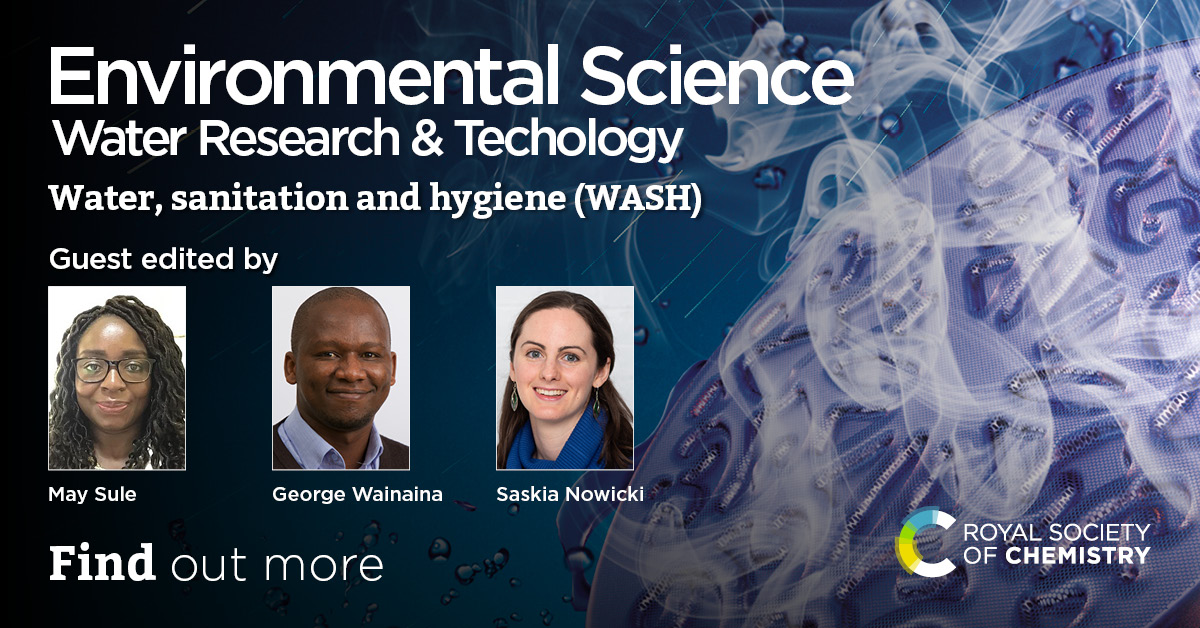
New Themed Collection exploring transformation and innovation for resilient equitable Water, Sanitation and Hygiene (WASH) services

Environmental Science: Water Research & Technology is pleased to highlight our new collection exploring transformation and innovation for resilient equitable Water, Sanitation and Hygiene (WASH) services, Guest Edited by May Sule (Cranfield University, UK), George Wainaina (Eawag aquatic research, Switzerland) and Saskia Nowicki (University of Oxford, UK).

Coverage and sustainability of equitable water, sanitation and hygiene (WASH) systems is a major concern for developing countries. It is also a concern in many middle- and high-income countries, especially from an inequality lens. Research has identified several sustainability challenges, including poor maintenance, inappropriate technology, corruption, non-participation of stakeholders, insufficient operational and regulatory capacity, politics and bureaucracy, and inadequate sector financing particularly for operation and maintenance. Furthermore, global challenges of climate change and population growth pose short- and long-term threats to safe and reliable WASH.

Climate resilience, innovation, intersectional sensitivity, and systems strengthening are currently highlighted as necessary for sustainability and equitability in the WASH sector. As such, an interdisciplinary critical outlook that cuts across technical, social, economic, environmental and governance domains is necessary for sustainable progress on safe and reliable WASH services. This themed collection will focus on WASH systems transformation and innovation. These concepts here are defined broadly as: systems are understood as complex, adaptive collections of interrelated elements from which intended or unintended functions emerge; innovation can be any new method, idea, process or product that may influence change within the system. We welcome different types of papers, including literature reviews, critical perspectives, conceptual analyses, and empirical studies using quantitative, qualitative and mixed methods approaches. Articles could provide a more general perspective or focus on a particular area. Co-authorship from practitioners is strongly encouraged.

Topics that may be included in this collection include:

  • Climate-resilient WASH
  • Integrating resilience in water and sanitation safety plans for urban and rural settings
  • WASH interlinkages with other fundamental services (such as, but not limited to, solid waste and storm water management, integrated water resources management)
  • Data monitoring approaches and management for informed decision making (including but not limited to decentralised, digitalised and participatory monitoring / citizen science approaches)
  • Role of individual and organisational behaviour change in resilience and sustainability
  • Partnerships and other organisational drivers and barriers for WASH service provision
  • Financing models and options for sustainable water and sanitation services
  • Opinions and perspectives looking beyond 2030 and dialogues for UN Water post-SDG

Article publication online and in issues will occur without delay to ensure the timely dissemination of the work. The articles will then be assembled on the RSC Publishing platform and promoted as a web-based thematic collection, to permit readers to consult and download individual contributions from the entire series.

The submission deadline is 2nd February 2026.

If you’re interested, we invite you to submit your research today, quoting ‘EWWASH25’ in the ‘Comments to the Editor’ when submitting your manuscript.

For more information on the scope of Environmental Science: Water Research & Technology and our author guidelines, please visit our website at rsc.li/es-water or email us at eswater-rsc@rsc.org. See the open call details here: https://rsc.li/WASH

Digg This
Reddit This
Stumble Now!
Share on Facebook
Bookmark this on Delicious
Share on LinkedIn
Bookmark this on Technorati
Post on Twitter
Google Buzz (aka. Google Reader)

Solutions in Science (SinS) cross journal Themed Collection

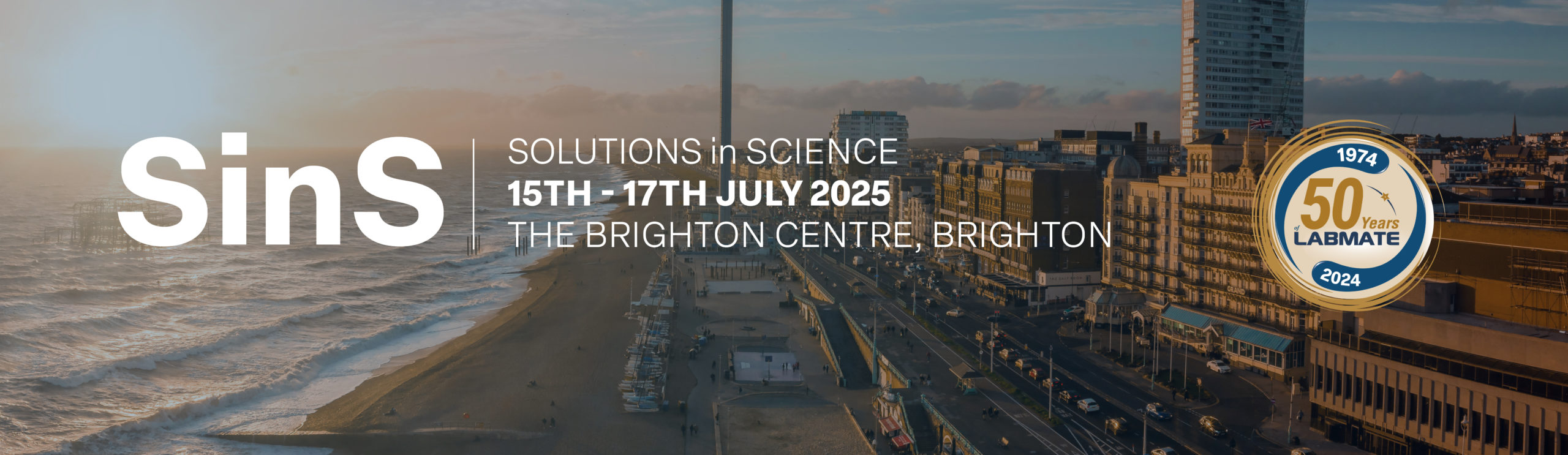
SinS 2025 represents the premier meeting in the UK promoting analytical science. It brings together several RSC interest groups including the Separation Science Group, Environmental Chemistry Group, Water Science Forum, Food Group, and the Chemical Information and Computer Applications Group under one roof for an exciting three-day showcase of the latest developments across the spectrum of analytical science.

The conference will bring together researchers, scientists, and industry leaders to discuss the latest research and innovations in analytical measurement techniques developed and applied in everything from large-scale citizen science water quality monitoring to future medicines. In particular, the conference aims to discuss global priority challenges that we can tackle together.

The conference program, is now live and available to view here: https://www.ilmexhibitions.com/sins/conference-programme-2025/

As part of our partnership, The Royal Society of Chemistry will be publishing a selection of papers in a dedicated Themed Collection across the following journals:

The deadline for submissions to the collection will be 3rd November 2025. Upon submission, please mention you are submitting to the “SinS 2025” themed collection.

We are delighted to also be sponsoring poster prizes at the event. Check out the full list of posters here: https://www.ilmexhibitions.com/sins/posters/

Digg This
Reddit This
Stumble Now!
Share on Facebook
Bookmark this on Delicious
Share on LinkedIn
Bookmark this on Technorati
Post on Twitter
Google Buzz (aka. Google Reader)

Introducing new ES:WRT Associate Editor, Ming Xie


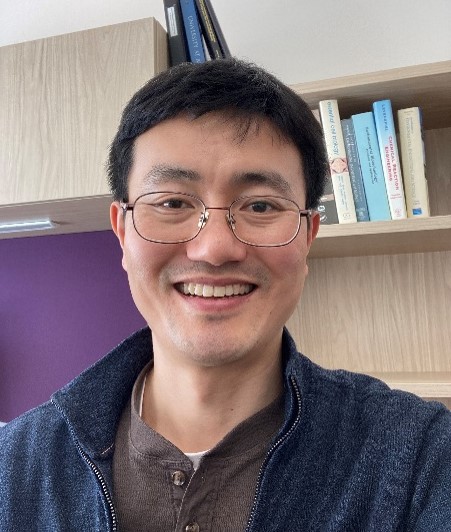
Environmental Science: Water Research & Technology is pleased to announce that Dr Ming Xie has joined the journal as an Associate Editor. Ming is a Lecturer of Chemical and Environmental Engineering at the University of Bath, and an Industrial Fellow by the Royal Academy of Engineering.

Ming’s research is based on membrane technology relating to the areas of food, energy, and water. He was the recipient of the Australia Cheung Kong Endeavour Award in 2018. Dr Xie has published more than 70 peer-reviewed articles in leading journals. His research has attracted more than £15M research funding from Engineering and Physical Sciences Research Council, Royal Society of Chemistry, Royal Society, British Council and Leverhulme Trust. He also serves in the Technical Advisory Committee for IChemE Sustainability Hub.

As an Associate Editor, Ming welcomes submissions in the areas of membranes, nanofiltration, osmosis and other similar topics relating to water treatment. If you have work that would be relevant to Ming’s expertise, or the journal more generally, submit now to Environmental Science: Water Research & Technology.

Digg This
Reddit This
Stumble Now!
Share on Facebook
Bookmark this on Delicious
Share on LinkedIn
Bookmark this on Technorati
Post on Twitter
Google Buzz (aka. Google Reader)

PFAS: cleaning up drinking water

Over the past decade PFAS (per-and polyfluoroalkyl substances) have quickly established themselves as one of the most infamous environmental pollutants. They have featured in a Hollywood film and are regularly reported upon by local and national media outlets. For humans, one of our main concerns is PFAS in our drinking water. This a topic that the RSC have been raising awareness of recently through fundamental research and policy-based workshops.

The world of PFAS is a rapidly evolving field. We are currently debating; what is a PFAS, how many there are, how they behave in the environment, how to measure them, how toxic they are, how to regulate them, and how to remediate them. We have learnt a lot about PFAS over the last decade but for every question we answer, more seem to emerge. Now is a truly exciting and challenging time to be involved in this field of research, and that is set to continue for some time to come.

Within this collection, curated by Dr David Megson (Manchester Metropolitan University, UK) we have highlighted recently published manuscripts in RSC journals that have made a significant contribution to our understanding of PFAS in water.

Policy

The case for a more precise definition of regulated PFAS
T. J. Wallington et al., Environ. Sci.: Processes Impacts, 2021,23, 1834-1838
10.1039/D1EM00296A 

Reviews

Reverse osmosis and nanofiltration membranes for highly efficient PFASs removal: overview, challenges and future perspectives
Teresa F. Mastropietro et al., Dalton Trans., 2021,50, 5398-5410
10.1039/D1DT00360G

A review of PFAS fingerprints in fish from Norwegian freshwater bodies subject to different source inputs
Håkon A. Langberg et al., Environ. Sci.: Processes Impacts, 2022,24, 330-342
10.1039/D1EM00408E

PFAS fate and destruction mechanisms during thermal treatment: a comprehensive review
Grace K. Longendyke et al., Environ. Sci.: Processes Impacts, 2022,24, 196-208
10.1039/D1EM00465D

Photo-chemical/catalytic oxidative/reductive decomposition of per- and poly-fluoroalkyl substances (PFAS), decomposition mechanisms and effects of key factors: a review
Ehsan Banayan Esfahani et al., Environ. Sci.: Water Res. Technol., 2022,8, 698-728
10.1039/D1EW00774B

Adsorption as a remediation technology for short-chain per- and polyfluoroalkyl substances (PFAS) from water – a critical review
Hajar Smaili et al., Environ. Sci.: Water Res. Technol., 2023,9, 344-362
10.1039/D2EW00721E

Current progress in the environmental analysis of poly- and perfluoroalkyl substances (PFAS)
Andreas Androulakakis et al., Environ. Sci.: Adv., 2022,1, 705-724
10.1039/D2VA00147K

Measurement

Towards deployable electrochemical sensors for per- and polyfluoroalkyl substances (PFAS)
Rebecca B. Clark and Jeffrey E. Dick, Chem. Commun., 2021,57, 8121-8130
10.1039/D1CC02641K

A graphene-based hydrogel monolith with tailored surface chemistry for PFAS passive sampling
Jitka Becanova and Zachary S. S. L. Saleeba et al., Environ. Sci.: Nano, 2021,8, 2894-2907
10.1039/D1EN00517K

Evaluation, optimization, and application of three independent suspect screening workflows for the characterization of PFASs in water
Paige Jacob et al., Environ. Sci.: Processes Impacts, 2021,23, 1554-1565
10.1039/D1EM00286D

Development of a PFAS reaction library: identifying plausible transformation pathways in environmental and biological systems
Eric J. Weber et al., Environ. Sci.: Processes Impacts, 2022,24, 689-753
10.1039/D1EM00445J

Detection and differentiation of per- and polyfluoroalkyl substances (PFAS) in water using a fluorescent imprint-and-report sensor array
Emily E. Harrison and Marcey L. Waters, Chem. Sci., 2023,14, 928-936
10.1039/D2SC05685B

A field-validated equilibrium passive sampler for the monitoring of per- and polyfluoroalkyl substances (PFAS) in sediment pore water and surface water
Blessing Medon et al., Environ. Sci.: Processes Impacts, 2023,25, 980-995
10.1039/D2EM00483F

Environment

Laboratory validation of an integrative passive sampler for per- and polyfluoroalkyl substances in water
Paul L. Edmiston et al., Environ. Sci.: Water Res. Technol., 2023,9, 1849-1861
10.1039/D3EW00047H

Distribution and fate of per- and polyfluoroalkyl substances (PFAS) in wastewater treatment facilities
Elham Tavasoli et al., Environ. Sci.: Processes Impacts, 2021,23, 903-913
10.1039/D1EM00032B

Surface-water/groundwater boundaries affect seasonal PFAS concentrations and PFAA precursor transformations
Andrea K. Tokranov, Environ. Sci.: Processes Impacts, 2021,23, 1893-1905
10.1039/D1EM00329A

Distributions and sources of traditional and emerging per- and polyfluoroalkyl substances among multiple environmental media in the Qiantang River watershed, China
Zhengzheng Liu et al., RSC Adv., 2022,12, 21247-21254
10.1039/D2RA02385G

Non-targeted identification and semi-quantitation of emerging per- and polyfluoroalkyl substances (PFAS) in US rainwater
Yubin Kim et al., Environ. Sci.: Processes Impacts, 2023,25, 1771-1787
10.1039/D2EM00349J

Pyrolysis transports, and transforms, PFAS from biosolids to py-liquid
Patrick McNamara et al., Environ. Sci.: Water Res. Technol., 2023,9, 386-395
10.1039/D2EW00677D

Remediation

Amyloid fibril-based membranes for PFAS removal from water
Tonghui Jin et al., Environ. Sci.: Water Res. Technol., 2021,7, 1873-1884
10.1039/D1EW00373A

Mechanochemical destruction of per- and polyfluoroalkyl substances in aqueous film-forming foams and contaminated soil
Kapish Gobindlal et al., Environ. Sci.: Adv., 2023,2, 982-989
10.1039/D3VA00099K

Proteins as adsorbents for PFAS removal from water
Erik T. Hernandez et al., Environ. Sci.: Water Res. Technol., 2022,8, 1188-1194
10.1039/D1EW00501D

Efficient removal of short-chain and long-chain PFAS by cationic nanocellulose
Duning Li et al., J. Mater. Chem. A, 2023,11, 9868-9883
10.1039/D3TA01851B

High temperature behaviour of Ag-exchanged Y zeolites used for PFAS sequestration from water
Maura Mancinelli et al., Phys. Chem. Chem. Phys., 2023,25, 20066-20075
10.1039/D3CP01584J

Monitoring the adsorption of per- and polyfluoroalkyl substances on carbon black by LDI-MS capable of simultaneous analysis of elemental and organic carbon
Ke Min et al., Environ. Sci.: Processes Impacts, 2023,25, 1311-1321
10.1039/D3EM00129F

Exploring the adsorption of short and long chain per- and polyfluoroalkyl substances (PFAS) to different zeolites using environmental samples
Maura Mancinelli et al., Environ. Sci.: Water Res. Technol., 2023,9, 2595-2604
10.1039/D3EW00225J

Digg This
Reddit This
Stumble Now!
Share on Facebook
Bookmark this on Delicious
Share on LinkedIn
Bookmark this on Technorati
Post on Twitter
Google Buzz (aka. Google Reader)

Emerging Investigator Series – Kun-Yi Andrew Lin

Dr. Lin received his Ph.D. from the Department of Earth and Environmental Engineering at Columbia University (USA). He is currently working as a Distinguished Professor in the Department of Environmental Engineering. His research focuses on development of advanced materials and catalysts for energy and environmental applications. In the past few years, he has been becoming one of leading experts for environmental applications of metal organic frameworks (MOFs) and their derivatives. He has also served as editors and editorial members for more than 10 journals. Dr. Lin has co-authored more than 365 SCI journal papers with a H-index of 58 and more than 12700 citations. From February 2024, Prof. Lin will join the Institute of Analytic and Environmental Sciences at National Tsing Hua University (Hsinchu City, Taiwan).

Read Kun-Yi Andrew Lin ’s Emerging Investigator article “Enhancing Degradation of Ciprofloxacin in Water using Oxone activated by Urchin-like Cubic and Hollow-structured Cobalt@N-doped Carbon prepared via Etching-Engineering” and read more about him in the interview below:

Your recent Emerging Investigator Series paper focuses on Enhancing Degradation of Ciprofloxacin in Water using Oxone activated by Urchin-like Cubic and Hollow-structured Cobalt@N-doped Carbon prepared via Etching-Engineering: A. How has your research evolved from your first article to this most recent article?

As I was trained as an environmental chemical engineer, I have been focusing the development of functional materials to respond to environmental issues and challenges from chemical and material perspectives. In my very first publication, I integrated organic-inorganic hybrid materials to combine advantages of organic soft matters and inorganic solid particles for capturing CO2. Similarly, for affording synergistic effects, the current study further utilizes benefits of inorganic metals and organic carbonaceous substrates to formulate this hybrid material comprised of cobalt embedded onto N-doped carbon with an intriguing hollow morphology in order to maximize active surfaces of catalysts.

What aspect of your work are you most excited about at the moment?

At this moment, I am quite fascinated by metal-organic frameworks (MOFs) that are a versatile platform for various applications. MOFs can be also tuned to become tools for dealing with conventional and emerging environmental problems.

In your opinion, what are the most important questions to be asked/answered in this field of research?

While designing and developing nanomaterials is interesting and promising, practical applications using nanomaterials would still encounter challenges in reality. Therefore, it is crucial to consider both reality and fancy to develop materials that can be feasibly implemented and operated in practical applications and still retain advantages of nanoscale features.

What do you find most challenging about your research?

The most challenging part of my current research is to integrate fundamental/theoretical perspectives with experimental investigations as the quantum computational chemistry is increasingly adopted as a useful tool to elucidate materials sciences. However, proper applications of quantum computational chemistry for understanding materials science and relationships between materials and reactions would be still quite challenging.

In which upcoming conferences or events may our readers meet you?

I will plan to attend conferences related to chemistry and chemical engineering. Therefore, it may be possible to meet up together at conferences held by American Chemical Society or Royal Society of Chemistry.

How do you spend your spare time?

I like to spend my spare time hanging out with my family to explore natural scenes and I also like to cook to prepare nice cuisines for my family!

Which profession would you choose if you were not a scientist?

If I were not a scientist, I probably would be an industrial designer to design vehicles or shoes to exercise my creativity and imagination.

Can you share one piece of career-related advice or wisdom with other early career scientists?

“No pain, no gain!” The academia is actually very competitive and you are competing with so many talented peers. Therefore, you need to really devote yourself and work hard to achieve your goals!

Digg This
Reddit This
Stumble Now!
Share on Facebook
Bookmark this on Delicious
Share on LinkedIn
Bookmark this on Technorati
Post on Twitter
Google Buzz (aka. Google Reader)

Emerging Investigator Series – Arjun Venkatesan

Arjun Venkatesan is an incoming Associate Professor of Civil & Environmental engineering at New Jersey Institute of Technology (NJIT). Venkatesan comes to NJIT from Stony Brook University, where he is the Associate Director of the New York State Center for Clean Water Technology and holds a joint appointment in Civil Engineering and the School of Marine and Atmospheric Sciences as a Research Associate Professor. His research focuses on the occurrence, fate and treatment of toxic chemicals in the environment, with a current focus on PFAS and 1,4-dioxane. Much of his group’s efforts have been focused on physical and chemical treatment of water and in the development of innovative analytical approaches to detect and characterize trace organics in the environment. To date, Dr. Venkatesan has published 50 plus peer-reviewed journal articles on emerging contaminants, wastewater-based epidemiology, and water treatment. His work has been featured in media, including National Geographic, PBS programming and the National Institutes of Health, among others.

Read Arjun Venkatesan ’s Emerging Investigator article “Low doses of electron beam irradiation effectively degrade 1,4-dioxane in water within a few seconds” and read more about him in the interview below:

Your recent Emerging Investigator Series paper focuses on Low doses of electron beam irradiation effectively degrade 1,4-dioxane in water within a few seconds. How has your research evolved from your first article to this most recent article?

My very first article was from my master’s research which focused on the bio-regeneration of perchlorate-laden ion-exchange resin using perchlorate-reducing bacteria. Since then I have explored different aspects of water quality and treatment, with a focus on contaminants of emerging concern. During my PhD, I was trained in environmental analytical chemistry to develop sensitive and robust methods to detect trace organic contaminants with the goal of elucidating their fate and transport in the natural and built environment. My postdoctoral research expanded my understanding and applications in nano-analytics, nano-enabled water treatment, and nanotoxicity. With my training and experience in environmental analytical chemistry and physical/chemical treatment processes, I have now started exploring interfacial adsorption and radical chemistry to develop and apply innovative treatment processes to remove persistent chemicals like 1,4-dioxane and PFAS.

What aspect of your work are you most excited about at the moment?

Being in academia, what excites me most is the part where you are continuously learning. I enjoy learning and collaborating with people outside my areas of expertise as it allows me to see different perspectives to the same problem.

In your opinion, what are the most important questions to be asked/answered in this field of research?

Although my research is focused on the treatment of individual/specific groups of chemicals (1,4-dioxane, PFAS), I always wonder what else could be in our waters. There are hundreds of thousands of chemicals used in commerce, so it is impossible to know their occurrence, exposures, and associated health impacts. In my opinion, some important questions to be answered are: how do we track and assess exposures to chemical mixtures and determine the resulting health effects? How do we regulate toxic chemical mixtures? How do we account for the known “unknowns” and unknown “unknowns”?

What do you find most challenging about your research?

Time management is challenging, especially trying to balance work and family time is difficult and I am learning to get better at it.

In which upcoming conferences or events may our readers meet you?

I will be participating at ACS, AEESP, and SERDP/ESTCP conferences.

How do you spend your spare time?

Spending time with my daughter, running, and gym.

Which profession would you choose if you were not a scientist?

I am into sketching and painting. I would say: a graphic designer and would have loved a career with Pixar!

Can you share one piece of career-related advice or wisdom with other early career scientists?

The best advice that I received was not to worry about things that are not under your control.  I still follow it or at least try to. And for the things under your control, you act on it now and don’t procrastinate. Following these two simple pieces of advice has made my life less complicated.

Digg This
Reddit This
Stumble Now!
Share on Facebook
Bookmark this on Delicious
Share on LinkedIn
Bookmark this on Technorati
Post on Twitter
Google Buzz (aka. Google Reader)

Emerging Investigator Series – Jeseth Delgado Vela

Jeseth Delgado Vela, PhD is Assistant Professor in the Civil and Environmental Engineering Department at Howard University. Her research applies tools in molecular biology to develop sustainable and cost-efficient urban water treatment. She received her PhD and master’s degree in Environmental Engineering from the University of Michigan. She received her bachelor’s degree in Civil Engineering from the University of Texas at Austin. She is a recipient of the Ford Foundation Dissertation Award (2016), was named an Early Career Research Fellow by the Gulf Research Program in 2021, and was awarded an NSF CAREER Award in 2022. In Fall 2023, she will join the Department of Civil and Environmental Engineering at Duke University.

Read Jeseth Delgado Vela’s Emerging Investigator article “The role of phage lifestyle on wastewater microbial community structure and function: insights from diverse microbial environments” and read more about her in the interview below:

Your recent Emerging Investigator Series paper focuses on The role of phage lifestyle on wastewater microbial community structure and function: insights from diverse microbial environments. How has your research evolved from your first article to this most recent article? 

My first article discussed control of biological nitrogen removal systems in wastewater treatment. My independent research career has focused on developing novel ways to control microbial communities. I am currently focused on studying microbial community molecular signals, including signals that phages use, and how engineers may hack these signals for bioprocess improvements.

What aspect of your work are you most excited about at the moment? 

I am excited about applying bioinformatic methods to evaluate phage communities and auxiliary metabolic genes in wastewater microbial communities. I’m energized by just how hard this line of research is, there really are a lot of unknowns on the role and ecology of phage in wastewater.

In your opinion, what are the most important questions to be asked/answered in this field of research? 

I think there is a lot of interest in controlling microbial communities using phages (phage therapy for wastewater). It’s an exciting concept, but I think we need to better understand the hosts, ecology, and function of phages in wastewater treatment.

What do you find most challenging about your research? 

We have a lot of bioinformatic tools that we can apply, but there are so many unknowns in environmental microbial communities. It can be frustrating to have the majority of your data be ‘unknown proteins’ or ‘unknown organisms.’ But, this is also a motivating aspect of the research—there is so much left to understand!

In which upcoming conferences or events may our readers meet you? 

I’ll be at AEESP in Boston in June.

How do you spend your spare time? 

I love outdoor entertaining of friends and family. If you visit me and the weather is nice enough, there will be a grill party. I also am trying to grow veggies to varying degrees of success.

Which profession would you choose if you were not a scientist? 

Truthfully, I probably would be a practicing environmental engineer. If I were more artistic, I would choose to be an architect.

Can you share one piece of career-related advice or wisdom with other early career scientists? 

I think it is often easy for me to lose sight of what a privilege it is to get to think about solutions for a living. I often cope with the demands of building my scientific career by reminding myself how lucky I am to explore my curiosity, collaborate, and continuously learn.

Digg This
Reddit This
Stumble Now!
Share on Facebook
Bookmark this on Delicious
Share on LinkedIn
Bookmark this on Technorati
Post on Twitter
Google Buzz (aka. Google Reader)

Emerging Investigator Series – Kyoung-Yeol Kim

Dr. Kyoung-Yeol Kim is an assistant professor in the Department of Environmental & Sustainable Engineering at the University at Albany, State University of New York (SUNY). He received his Ph.D. in Environmental Engineering at Gwangju Institute of Science & Technology (GIST, South Korea) in 2014. Prior to his appointment at the University at Albany, SUNY, Dr. Kim worked at Pennsylvania State University as a post-doctoral research fellow. Dr. Kim has published 51 research papers in peer-reviewed journals, and his publications have drawn > 3,900 citations (h index: 33, google scholar citation) to date. Dr. Kim is now serving as an early career advisory board member for the Journal of Hazardous Materials Letters, and he was recognized as an Outstanding Reviewer in 2018 for Environmental Science: Water Research and Technology. Dr. Kim’s research group (Kim Research Group @ UAlbany) is now conducting multiple research projects including energy and resource recoveries (electricity, hydrogen, nutrients, etc.) from waste streams using (bio)electrochemical systems, and also per- and poly-fluoroalkyl substances (PFAS) treatment using electrochemical processes.

Read Kyoung-Yeol’s Emerging Investigator article “Impacts of aeration flow rates and bubble sizes on PFOA/PFOS removal in electrocoagulation” and read more about him in the interview below:

Your recent EmergingInvestigator Series paper focuses on Impacts of aeration flow rates and bubble sizes on PFOA/PFOS removal in electrocoagulation. How has your research evolved from your first article to this most recent article?

Electrochemical reactions are everywhere in this world so we can use electrochemical principles to solve the problems in the environmental engineering field. This article is a story about one electrochemical process (electrocoagulation) to remove per- and poly-fluoroalkyl substances (PFAS) from water. Our previous work to control PFAS using electrocoagulation focused on reducing energy requirements. We initially examined a novel electrocoagulation system with an air-cathode to utilize oxygen as an electron acceptor without aeration. In that study, we concluded that aeration could be essential to secure the high PFAS removal efficiency by electrocoagulation. Thus, we have further worked on this concept to explore how aeration affects PFAS removal as well as other performances in electrocoagulation, We have examined different types of bubbles with various flow rates to systematically examine the impacts of aeration in the electrocoagulation system.

What aspect of your work are you most excited about at the moment?

Aeration is not common in conventional electrocoagulation. There are several studies that employed aeration to improve the oxidation of target contaminants, but not many researchers tried to use oxygen as an electron acceptor. Also, previous electrocoagulation studies only focused on the role of metal hydroxide flocs on PFAS removal. It was a reasonable approach, but we conclude that aeration is also crucial to control PFAS in the electrocoagulation system. This work is the first study that systematically examined the role of aeration (or flotation) in electrocoagulation for PFAS control.

 In your opinion, what are the most important questions to be asked/answered in this field of research?

Adding aeration to electrocoagulation can reduce the intrinsic energy requirement by replacing the hydrogen evolution reaction with an oxygen reduction reaction (which is much more thermodynamically favorable) at the cathode. However, adding aeration will also increase the energy cost. At this point, aeration for electrocoagulation should be optimized to minimize the entire energy consumption. Also, a continuous flow study with realistic water samples should be further examined at a larger scale.

What do you find most challenging about your research?

I have been working on various electrochemical processes to date, electrochemical processes are usually considered sustainable approaches since electrochemical processes are usually environmentally friendly compared to other existing chemical processes. Most of the electrochemical processes are facing the practicability issues like scale-up and running under more realistic conditions. To overcome these barriers, materials and reactor design still need to be improved to maintain reasonable performances at a larger scale.

In which upcoming conferences or events may our readers meet you?

I am going to present this work at the Association of Environmental Engineering and Science Professors (AEESP) conference in Boston in June 2023.

How do you spend your spare time?

As a father of two little sons, I have to spend my spare time with them in the playground, backyard, playroom, etc. I am sure this applies to other parents with kids too.

Which profession would you choose if you were not a scientist?

I might have become a professional baseball player. Not sure if I could play in MLB though. There are a lot to learn from baseball (and other sports as well).

Can you share one piece of career-related advice or wisdom with other early career scientists?

I am not in a position that can give advice to others, but here’s one thing. Every person has their own pace. For example, some people receive (so-called) prominent grants or awards at a very early stage but some people don’t. However, it doesn’t mean that those slow starters are doing something long. As long as you think you are working hard, do not compare yourself to others. You will reach your goals at some point.

Digg This
Reddit This
Stumble Now!
Share on Facebook
Bookmark this on Delicious
Share on LinkedIn
Bookmark this on Technorati
Post on Twitter
Google Buzz (aka. Google Reader)