
Announcing our themed collection on Defossilising Chemical Industries

RSC Sustainability is very pleased to announce that our new themed collection, Defossilising Chemical Industries, is now open for submissions.

Chemical industries touch almost every aspect of society. They produce everything from fuels and polymers to everyday consumer products such as cosmetics and household cleaning products. Currently, many of these vital products are made using feedstocks derived from fossil sources which, in addition to being finite, also release large quantities of carbon dioxide into the atmosphere, accelerating climate change.

For chemical industries to be sustainable in the long term in accordance with the UN’s Sustainable Development Goals (particularly Goals 12 and 13, Responsible Consumption and Production and Climate Action, respectively), they must avoid using raw materials from fossil sources and find alternative feedstocks.

With the leadership of Guest Editors Agi Brandt-Talbot (Imperial College London, UK) and Alexander O’Malley (University of Bath, UK), RSC Sustainability’s themed collection on Defossilising Chemical Industries aims to be a venue for the latest research that could make this a reality.

Topics for this collection include, but are not limited to:

  • Biomass as a feedstock
  • CO2 as a feedstock
  • Plastic waste as a feedstock
  • Methanol as a feedstock
  • Use of renewable electricity in chemical industries
  • Renewable oxidising and reducing agents
  • Carbon capture

The collection welcomes contributions from industry and policy perspectives, as well as academic perspectives and can publish both review articles and primary research. Studies concerning Life Cycle Assessments and Techno-Economic Analyses are also welcome.

There are several approaches that have been proposed as stepping-stone or bridging technologies that, while not a permanent solution, do enable progress towards defossilisation. Indeed, the proponents of these argue that without such technologies it will be impossible to achieve defossilisation. On the other hand, opponents of these argue that they ultimately lead to the extension of the use of unsustainable technologies and hence are counterproductive. As we have stated in previous editorials, RSC Sustainability does not seek to be the gatekeeper for what is or is not sustainable chemistry, but rather provides a forum to facilitate such debates. However, we do expect contributors recognise these controversies within their manuscript and sustainability spotlight statement and to provide evidence to support the claims that that their technologies contribute to sustainability and the UN SDGs.

If you have work that fits the scope of this collection, feel free to submit now through our submissions portal. This collection has a submission deadline of Friday 31st January 2025.

If you have any questions regarding this collection or the journal, please contact the editorial office at rscsus-rsc@rsc.org, where our team will be happy to help.


Explore our Sustainable Materials topic collection

Discover original research on the development and use of sustainable materials!

RSC Sustainability welcomes all solutions-focused research dedicated to solving sustainability challenges. Discovering natural, renewable and environmentally friendly materials and finding novel ways use them is a key approach to enable the UN’s Sustainable Development Goals.

This dedicated topic collection aims to showcase some of the latest innovative approaches to developing sustainable materials and using them to replace other materials in less sustainable known processes. We are excited to highlight some of our published content that has attracted attention in the field of sustainable materials. Many insightful and impactful papers are included in the topic collection, including:

Collection Highlights

High degree of silanization of olive wood shell stone and its use in polyester biocomposites
RSC Sustain., 2024,2, 1030-1039 
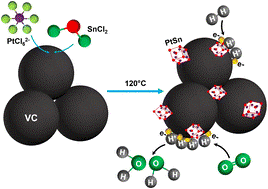
Platinum–tin as a superior catalyst for proton exchange membrane fuel cells
RSC Sustain., 2023,1, 368-377
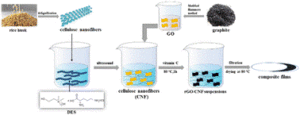
Deep eutectic solvent assisted preparation of cellulose nanofibers and graphene composite films for supercapacitors
RSC Sustain., 2023,1, 1006-1015
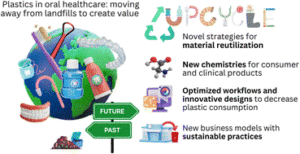
The global burden of plastics in oral health: prospects for circularity, sustainable materials development and practice
RSC Sustain., 2024,2, 881-902

Browse the full collection here!

RSC Sustainability is a dedicated forum for scientists developing new sustainable technologies, or finding cleaner chemical solutions. The journal welcomes research from all subject areas that are dedicated to solving sustainability challenges for a better, greener future.

If you have any queries about our journals, please contact the Editorial Office at rscsus-rsc@rsc.org.

Discover New Areas of Research with RSC Sustainability’s Tutorial Reviews


Review articles are a great way to expand your knowledge of different areas of research, but Tutorial Reviews are specifically designed to act as a first introduction to a specific research topic.

Whether it is bringing you up to speed on the challenges of solving a particular issue, or on the advantages and disadvantages of a certain experimental technique, they should be your first port of call when you want to read up on a field you are not familiar with.

Since launching in 2022, RSC Sustainability has published several Tutorial Reviews that are sure to be of value to anyone seeking to learn more about the role the chemical sciences can play in addressing sustainability challenges. If you haven’t checked them out yet, we’d like to highlight some of them here

Replacing all petroleum-based chemical products with natural biomass-based chemical products: a tutorial review

Ryohei Mori, RSC Sustain., 2023, 1, 179-212

In this review, Ryohei Mori discusses the ambitious goal of eliminating all products derived from petroleum feedstocks. By taking a comprehensive view of biomass derived plastics, Mori demonstrates the variety of everyday consumer products that could be made from sustainable and biodegradable materials.

A guide to lignin valorization in biorefineries: traditional, recent, and forthcoming approaches to convert raw lignocellulose into valuable materials and chemicals

Filippo Brienza, David Cannella, Diego Montesdeoca, Iwona Cybulska and Damien P. Debecker, RSC Sustain., 2024, 2, 37-90

Lignin and cellulose are the most common sources of renewable biomass in the world. As such, there is a lot of interest in whether these can be used as sources of fine and bulk chemicals that have traditionally been produced from petroleum. This Tutorial Review introduces the properties of these biomass sources and the existing methods of treating and refining them into useful products.

From rocks to bioactive compounds: a journey through the global P(v) organophosphorus industry and its sustainability

Sosthène P.-M. Ung and Chao-Jun Li, RSC Sustain., 2023, 1, 11-37

This review introduces the field of organophosphorus chemistry and discusses the challenges associated with the methods currently used to obtain phosphorus. The review rounds off by presenting some more sustainable alternatives.

A tutorial review for research laboratories to support the vital path toward inherently sustainable and green synthetic chemistry

Sarah M. Kernaghan, Tracey Coady, Michael Kinsella and Claire M. Lennon, RSC Sustain., 2024, 2, 578-607

This review introduces concepts and metrics that synthetic chemists can use to make their own practices cleaner and more sustainable. For example, have you ever done a life cycle assessment of your reactions where you consider the source of all your reagents and the environmental impact of the waste products you dispose of?

Sustainability applications of rare earths from metallurgy, magnetism, catalysis, luminescence to future electrochemical pseudocapacitance energy storage

Shan-Shan Chai, Wei-Bin Zhang, Jing-Lei Yang, Lun Zhang, Myat Myintzu Theint, Xian-Li Zhang, Shao-Bo Guo, Xia Zhou and Xue-Jing Ma, RSC Sustain., 2023, 1, 38-71

This review introduces Rare Earth elements and their applications in a variety of fields, including their potential uses as sustainable energy storage materials that could be used as alternatives to Li-ion batteries.

We hope you find these Tutorial Reviews interesting. You can explore all the review content published by RSC Sustainability, including other Tutorial Reviews as well as our other review type articles, in our ongoing reviews web collection.

If you would like to contribute a review article to RSC Sustainability, please send a review proposal to our Editorial Office.

Discover Sustainable Fashion in our cross-journal collection

Explore original research advancing the sustainability of fashion and textiles!

The impact of fast fashion on the planet is costly. Demand for the mass production of clothing has led to large scale pollution of waterways and danger to wildlife. Chemists are tackling this challenge by creating sustainable alternatives for the fashion industry, and by providing chemical pathways for the upcycling of unusable textiles.

This cross-journal collection is dedicated to innovative approaches to making fashion more sustainable. We are excited to highlight some of our published content that has attracted attention in the field of sustainable fashion and textiles. Many Open Access papers are included in the topic collection, including:


Collection Highlights

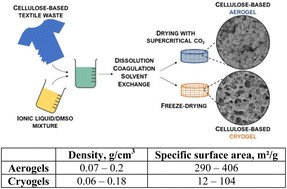
Upcycling of textile waste into high added value cellulose porous materials, aerogels and cryogels

RSC Sustain., 2023,1, 335-345


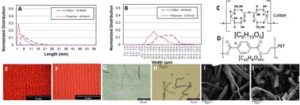
From waste to wearable: an alternative waste stream for unusable textiles turned into piezoelectric textiles

RSC Sustain., 2023,1, 326-334


Charting a path to catalytic upcycling of plastic micro/nano fiber pollution from textiles to produce carbon nanomaterials and turquoise hydrogen

RSC Sustain., 2023,1, 1177-1183


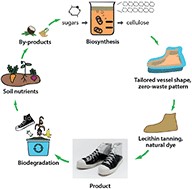
Microbial nanocellulose biotextiles for a circular materials economy

 Environ. Sci.: Adv., 2022,1, 276-284

Browse the full collection here!


RSC Sustainability is a dedicated forum for scientists developing new sustainable technologies, or finding cleaner chemical solutions. The journal welcomes research from all subject areas that are dedicated to solving sustainability challenges for a better, greener future.

Environmental Science: Advances publishes advances in all areas related to environmental sustainability. The journal welcomes and celebrates research that contributes to our understanding of the environment, and to the advancement of several UN Sustainable Development Goals.

If you have any queries about our journals, please contact the Editorial Office at rscsus-rsc@rsc.org or esadvances-rsc@rsc.org.

Join our author showcase to hear from authors and editors

Join our RSC Sustainability author showcase                

Friday 8th December 2023 14:00 – 15:30 (UK time)

Our upcoming author showcase is your chance to discover papers from RSC Sustainability. Whether you’re curious about the newest solutions for a greener future, or are looking for the right place to publish your own discoveries, join us on 8 December to hear from our authors and editorial board members.

Tune in to the webinar via LinkedIn or YouTube.


What will the author showcase cover?

 Join the people behind RSC Sustainability to:

  • hear our editorial board present their 2023 highlights
  • see interviews with the authors, including Patrick McKenna, Silvia Parilla-Lahoz, Ulf-Peter Apfel, Xochitl Dominguez-Benetton, Omar Martinez-Mora and Daniel Whitehead.
  • explore the editorials focussing on UN SDG 2 and 7 featured in our 2023 issues, and get involved in a broader discussion around the role of chemistry in building a sustainable world
  • find out more about RSC Sustainability – and discover a home for your own exceptional research


Start exploring RSC Sustainability

 The latest research from RSC Sustainability is ready for you to discover. You’ll find the latest excellent, solutions-focused research in the chemical sciences dedicated to solving sustainability challenges – all free to read online. Read our papers here.


If you have any questions in advance of the webinar, please feel free to get in touch via email.

We look forward to you joining us.

Tom Welton, and the RSC Sustainability Editorial Board
Royal Society of Chemistry


One-day Symposium for RSC Sustainability


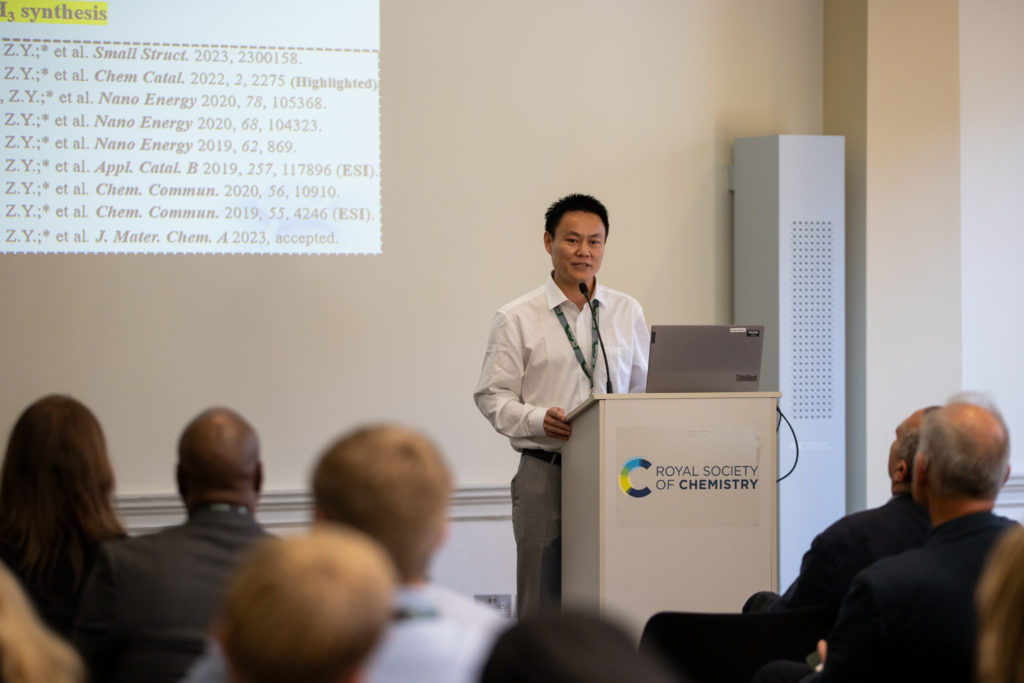
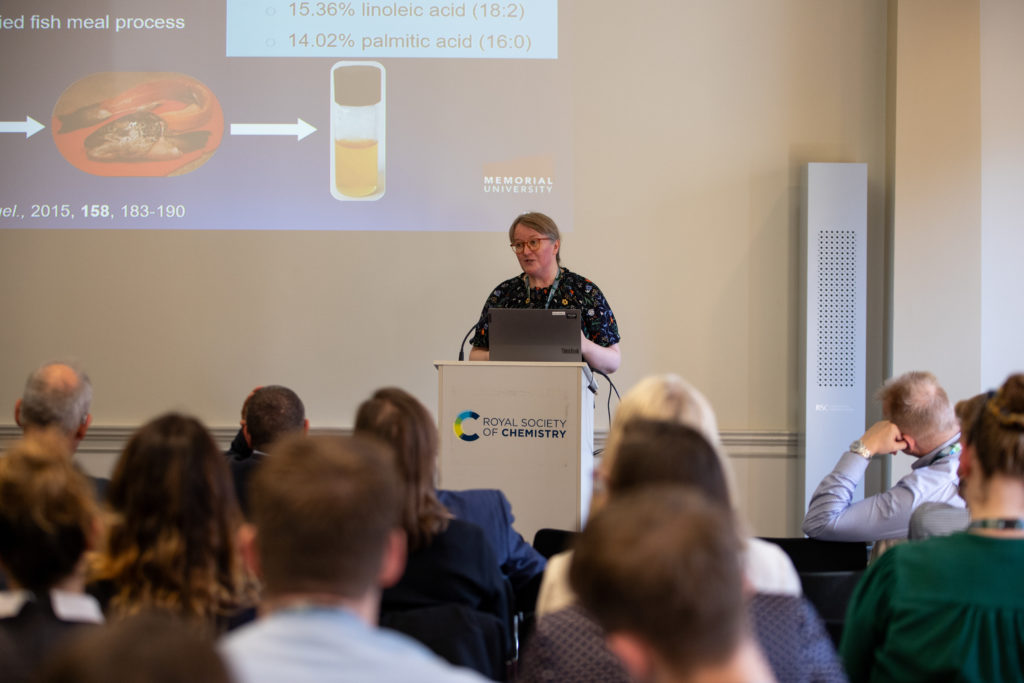
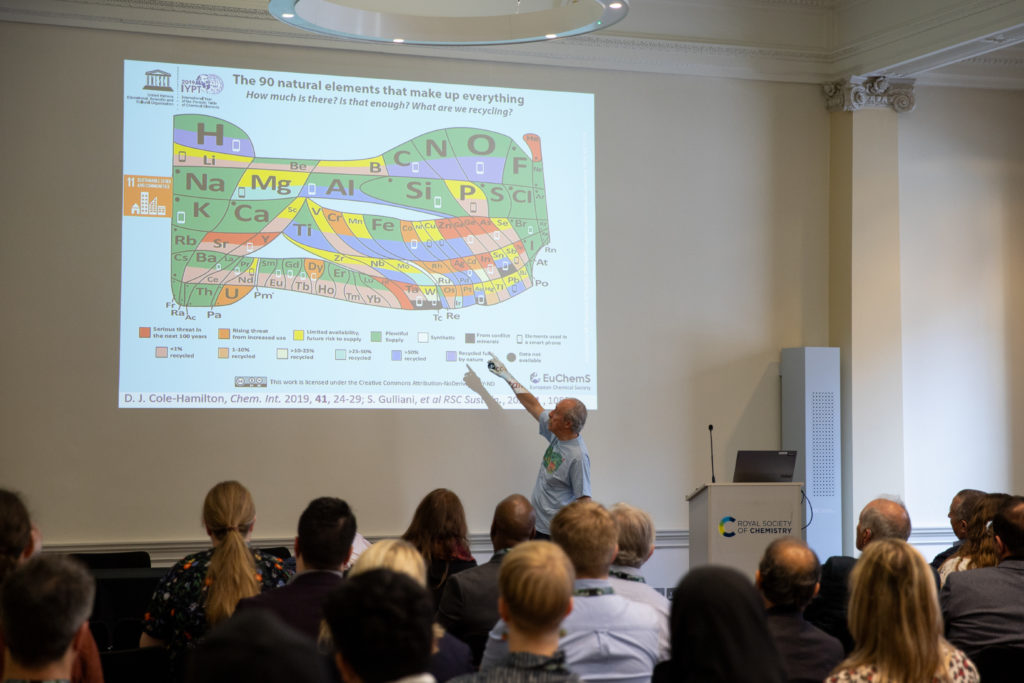
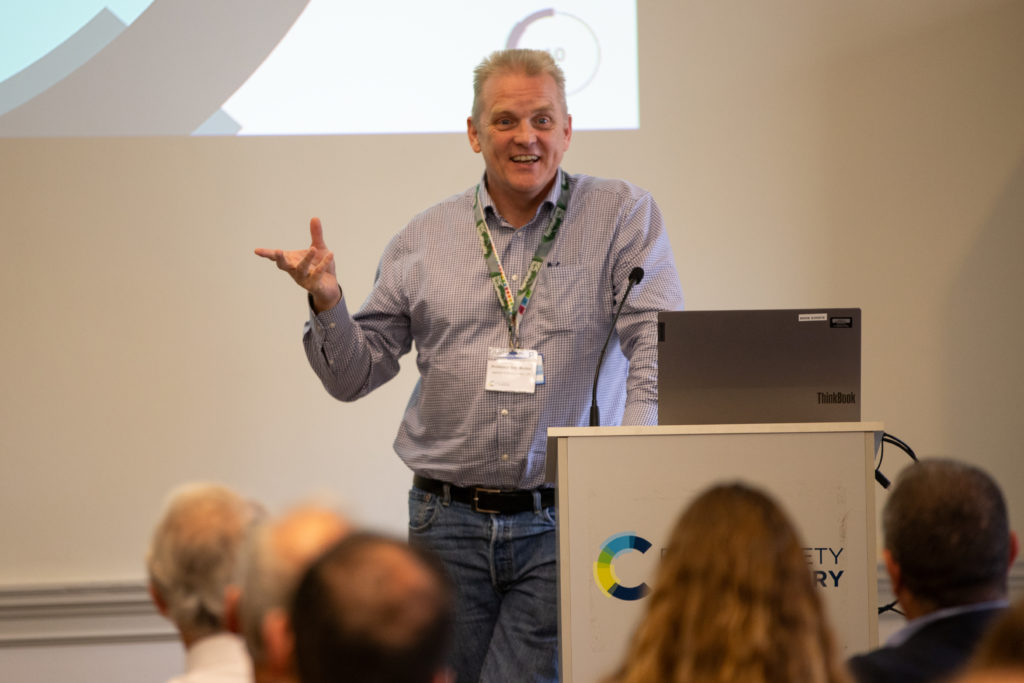
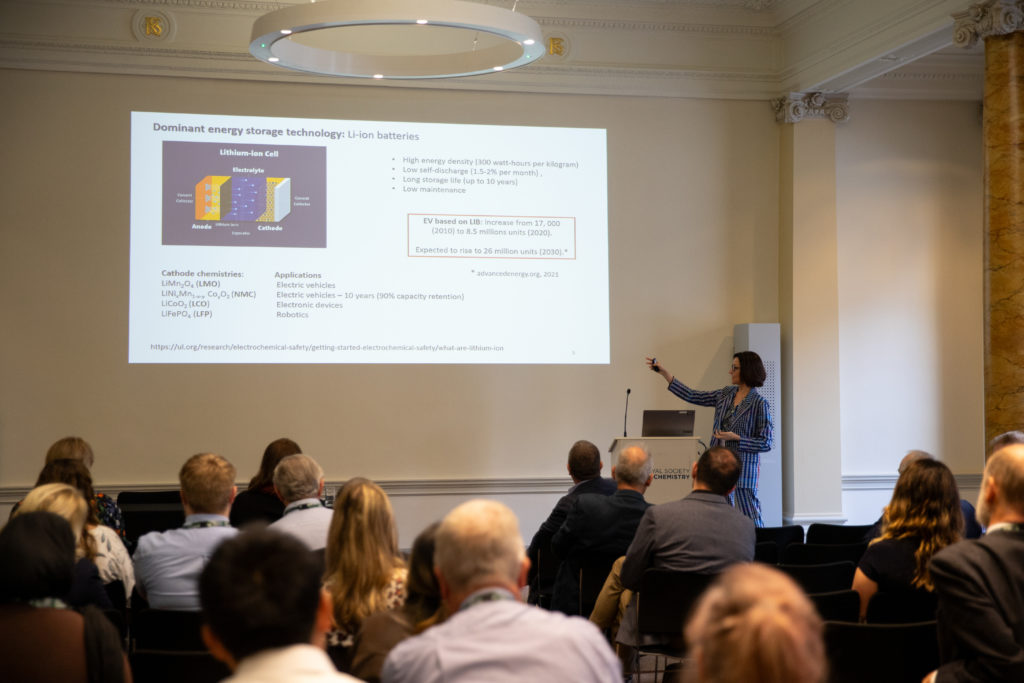
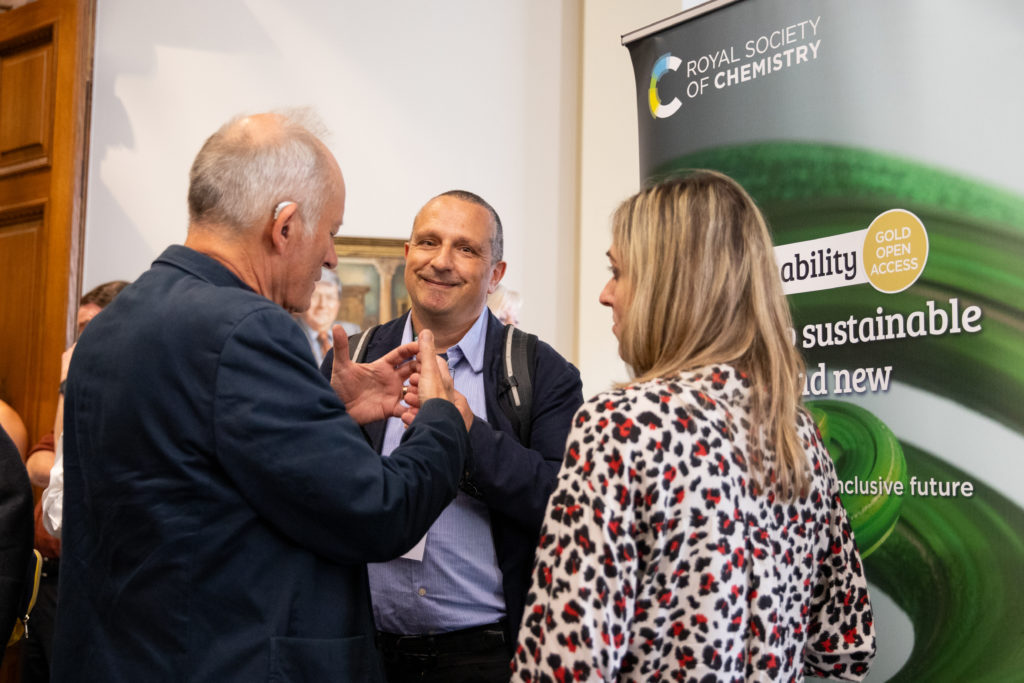
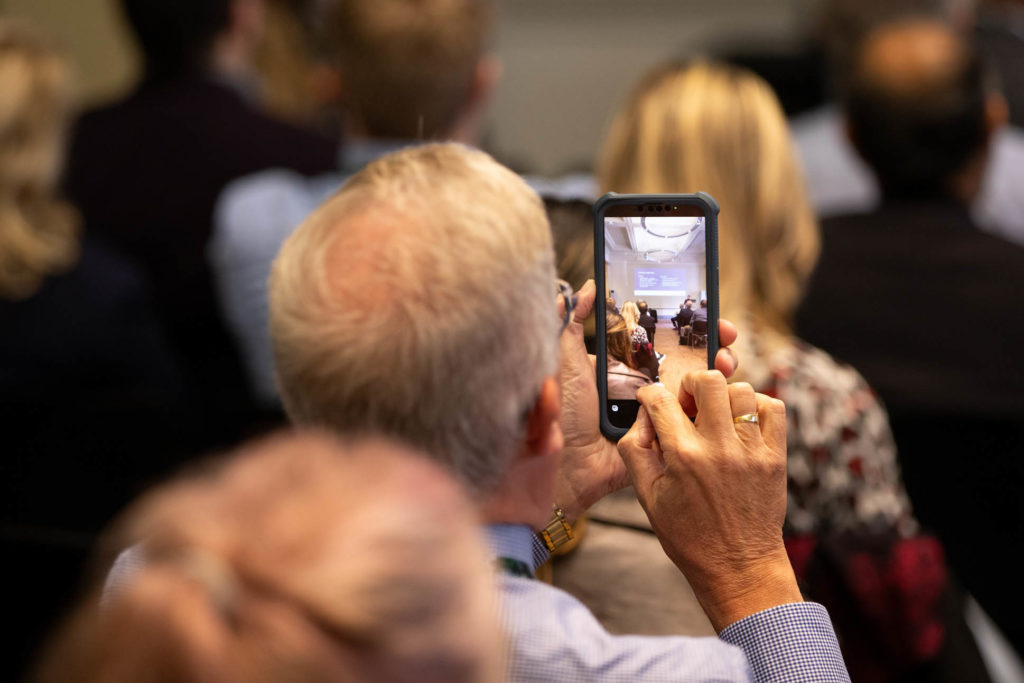
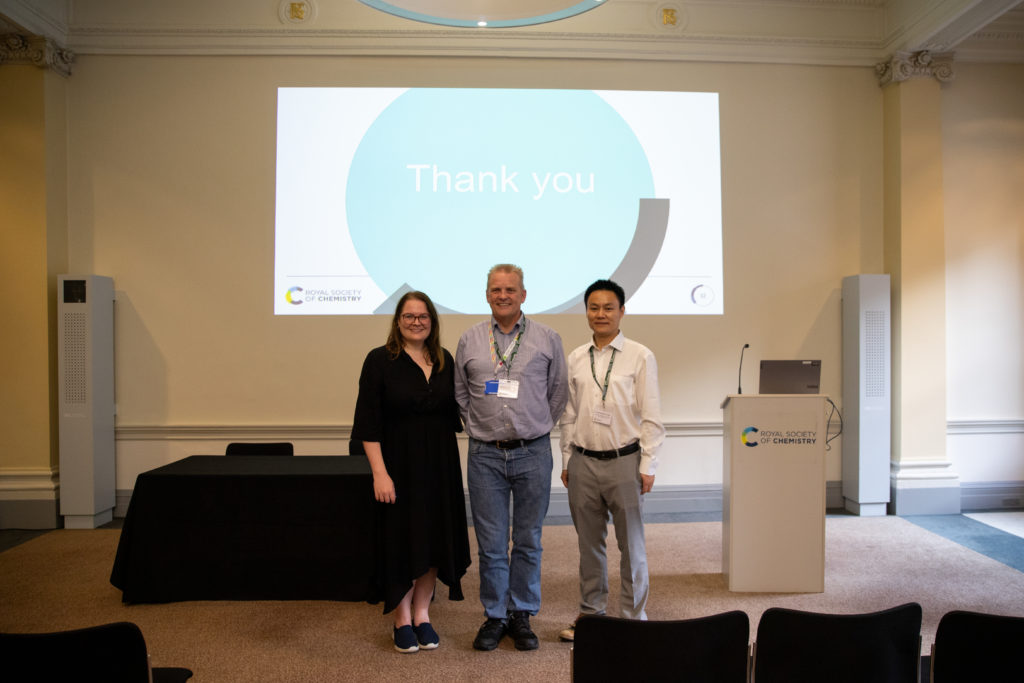
On 6th October, the Editorial Board of RSC Sustainability hosted a one-day symposium at Burlington House.

The event was a great success and featured presentations from both the Editorial Board and invited speakers. The talks covered a wide breadth of topics around developing sustainable technologies and finding cleaner chemical solutions. The day featured exciting discussions, network opportunities and engagement between the Editorial Board, invited speakers and delegates.

Check out some images of the day below!


Announcing 3 new RSC Sustainability Themed collections

RSC Sustainability is pleased to announce 3 brand new Themed Collections that are open for submissions from 30th October 2023:

  1. Energy Materials Redesign, Reuse and Repurpose
  2. CO2 Conversion
  3. Circular Economy

These collections cover key areas within sustainable chemistry that will be critical to achieving a sustainable future. Each collection is Guest Edited by a member of RSC Sustainability‘s Editorial Board and other leaders in the field. Work that falls within the scope of any of these collections and meets the general requirements for publication in RSC Sustainability is welcomed for consideration.


Energy Materials Redesign, Reuse and Repurpose

Guest Editors: Cristina Pozo-Gonzalo, Bethan Charles, Xiaolei Wang, Erlantz Lizundia

Submission deadline: 31st July 2024

Themed Collection shortcode: SUEnMat24

This collection welcomes submissions on the following topics:

Extraction and separation of critical metals from end-of-life products using selective and sustainable methods (e.g. leaching, electroleaching, membranes, electrowinning)

Recycling of lithium-ion batteries, including developing more efficient methods, and improvements through a sustainability lens (e.g. less solvent usage, milder conditions, economically improved processes)

Recovery of precious, critical and in-demand metals from waste electronics, and industrial waste streams

Solar panel recycling.

Life cycle assessment and sustainability analysis of energy materials recycling.

Waste management and policy, including developing initiatives to promote energy materials recycling.

Advances in green hydrometallurgy, bioleaching and direct recycling.

Selective extraction from spent batteries.

Repurpose: Upcycling spent batteries for catalytic, waste-water and other emerging applications.


CO2 Conversion

Guest Editors: Haichao Liu, Carlos Alemán, John Mondal, Xiao Jiang

Submission Deadline: 14th August 2024

Themed Collection shortcode: SUCO224 

The RSC Sustainability CO2 Conversion themed collection seeks to publish work on the following topics:

  • Catalytic conversion of CO2, to value-added chemicals or fuels.
  • Electrochemical conversion of CO2
  • Photochemical conversion of CO2
  • Biological conversion of CO2 using algae or bacteria

We welcome submissions that report new or improved methodologies, or that optimise or improve the sustainability of an existing process. We also welcome submissions from industrial and policy, as well as academic, perspectives.


Circular Economy

Guest Editors: Vincent Nyamori, Alice Fan, Matthew Davies, Manie Vosloo

Submission Deadline: 28th August 2024

Themed Collection shortcode: SUCircEc24

This collection is seeking contributions on the following topics:

  • Development of chemical processes that are environmentally friendly, including the use of renewable resources, safer solvents, and the reduction or elimination of hazardous chemicals.
  • “Benign-by-design” approaches to materials that may be easily recycled or reused.
  • The development of more durable or resilient materials from bio-based polymers.
  • The evaluation of the environmental impact of materials and processes throughout their entire life cycle, from raw material extraction to disposal or recycling.

We welcome submission from academia, industry and government and regulatory sectors.


Any queries regarding these collections should be directed to the Editorial Office at rscsus-rsc@rsc.org.

Highlights from the cross-journal Quantum Dots collection — hybrid photocatalysts, antibacterial agents and pollutant degradation!

This cross-journal collection is dedicated to showcasing the exciting research on quantum dots published with the Royal Society of Chemistry over the last 20 years, in honour of the 2023 Nobel Prize in Chemistry awarded to Professor Moungi G. Bawendi (MIT, USA), Professor Louis E. Brus (Columbia University, USA) and Professor Aleksey Yekimov (Nanocrystals Technology Inc., USA).

Quantum dots have been successfully implemented in a broad range of technologies and applications, and show great future potential to drive a sustainable global energy transition, for example contributing to the development of flexible electronics and thinner solar cells.

We are excited to highlight some of the innovative work included in this collection from our Energy & Environment open access journals:

Collection Highlights

Co3O4 quantum dot decorated polypyrrole nanocomposites as a flexible, conducting, anticorrosive and antibacterial agent: sustainable experimental and theoretical approach

RSC Sustain., 2023,1, 523-534

Graphical abstract: Co3O4 quantum dot decorated polypyrrole nanocomposites as a flexible, conducting, anticorrosive and antibacterial agent: sustainable experimental and theoretical approach
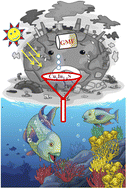
Graphical abstract: Non-stoichiometric CuxIn1−xS quantum dots for robust photodegradation of gemifloxacin: influencing parameters, intermediates, and insights into the mechanism Non-stoichiometric CuxIn1−xS quantum dots for robust photodegradation of gemifloxacin: influencing parameters, intermediates, and insights into the mechanism

Environ. Sci.: Adv., 2022,1, 769-780

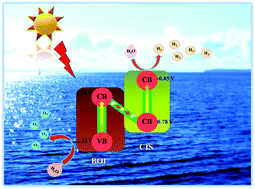
CIS QDs nucleated on oxygen vacancy rich BOI microplates: a hybrid photocatalyst with enhanced green energy production via mediator free Z-scheme dynamics

Energy Adv., 2022,1, 422-437

Graphical abstract: CIS QDs nucleated on oxygen vacancy rich BOI microplates: a hybrid photocatalyst with enhanced green energy production via mediator free Z-scheme dynamics

Browse the full collection here!


RSC Sustainability is a dedicated forum for scientists developing new sustainable technologies, or finding cleaner chemical solutions. The journal welcomes research from all subject areas that are dedicated to solving sustainability challenges for a better, greener future.

Environmental Science: Advances publishes advances in all areas related to environmental sustainability. The journal welcomes and celebrates research that contributes to our understanding of the environment, and to the advancement of several UN Sustainable Development Goals.

Energy Advances is a multidisciplinary journal that publishes research across a broad scope of topics and welcomes work that contributes to developments throughout energy science and related fields.


Announcing a themed collection on sustainable advanced and multifunctional polymer-based materials

We are delighted to announce a themed collection arising from Symposium N – “Sustainable advanced and multifunctional polymer based materials for sensor and actuators, energy and environmental applications” – at E-MRS Fall Meeting.

Two RSC journals, RSC Sustainability and RSC Applied Polymers, welcome submissions on the following topics:

  • New advanced sustainable materials processable by additive manufacturing
  • Advanced materials based on piezoelectric materials for sensors/actuators and biomedical application.
  • Membranes for environmental remediation.
  • Advances composites for thermochromic and thermoelectric materials
  • Binary and ternary composites for energy harvesting and storage.
  • Novel approaches for porous lightweight materials
  • Multifunctional coatings for self-sensing, self-cleaning and self-healing applications
  • Sustainable materials for printed electronics
  • Advanced magnetically responsive multifunctional materials
  • Sustainable composites based on natural and biopolymers.
  • Advanced characterization techniques for these materials, including in situ and operando techniques.

RSC Sustainability is a dedicated forum for scientists developing new sustainable technologies, or finding cleaner chemical solutions. The journal welcomes research from all subject areas that are dedicated to solving sustainability challenges for a better, greener future.

RSC Applied Polymers is a journal focused on the application of polymers, both natural and synthetic, including experimental and computational studies. The journal serves as a premier cross-disciplinary platform for scientific research that leverages polymeric materials in a range of applications, welcoming high-impact advances made possible with polymers across materials, biology, energy applications, and beyond.

The submission deadline to have your manuscript included is 31st March 2024. To express your interest in contributing to the collection, please contact Jon Ferrier in the editorial office (RSCSus-rsc@rsc.org). When submitting your paper, please quote XXSusAMP24 in Comments to the Editor on submission.

To submit a manuscript to RSC Sustainability: https://mc.manuscriptcentral.com/RSCSus

To submit a manuscript to RSC Applied Polymers: https://mc.manuscriptcentral.com/rscapplpolym

IUPAC World Congress – Focus Session on A Sustainable Planet and Society

The Royal Society of Chemistry and the American Chemical Society are jointly organising and sponsoring a Focus Session at the IUPAC World Congress in The Hague, Netherlands, on August 21, titled ‘A Sustainable Planet and Society’.

The 90-minute session (15:10–16:40 Central European Time) will be chaired by Julie Zimmerman (Yale University) and Pete Licence (Nottingham University), and feature talks from

  • Kristopher McNeill (ETH Zurich, Editor-in-Chief, Environmental Science: Processes & Impacts) – Working with the chemical industry to improve the environmental fate of their products.
  • Alessandra Quadrelli (CNRS, Associate Editor, Green Chemistry) – The Nitrogen Cycle and the Situated Green Chemistries Framework
  • Jakub Kostal (George Washington University) – Sustainable and Green by Design
  • Walter Leitner (Max Planck Institute) – The full Iife-cycle approach to chemical design, use, disposal, and human and environmental protection

The session will close with a summary and panel discussion led by Paul Anastas (Yale University).

If you’re attending the conference, we hope to see you for this exciting session. Be sure to view the event website for the latest updates: https://cbd.eventsair.com/QuickEventWebsitePortal/iupac-chains-2023/schedule/Agenda

Attending the event and want to meet us? A number of RSC colleagues are attending the event and will be delighted to meet you in-person (we are at Exhibition Stand #20) – let us know when works for you. https://form.jotform.com/231772824357361