Emerging Investigator Series: Christopher Sales

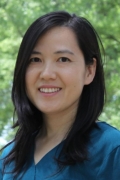
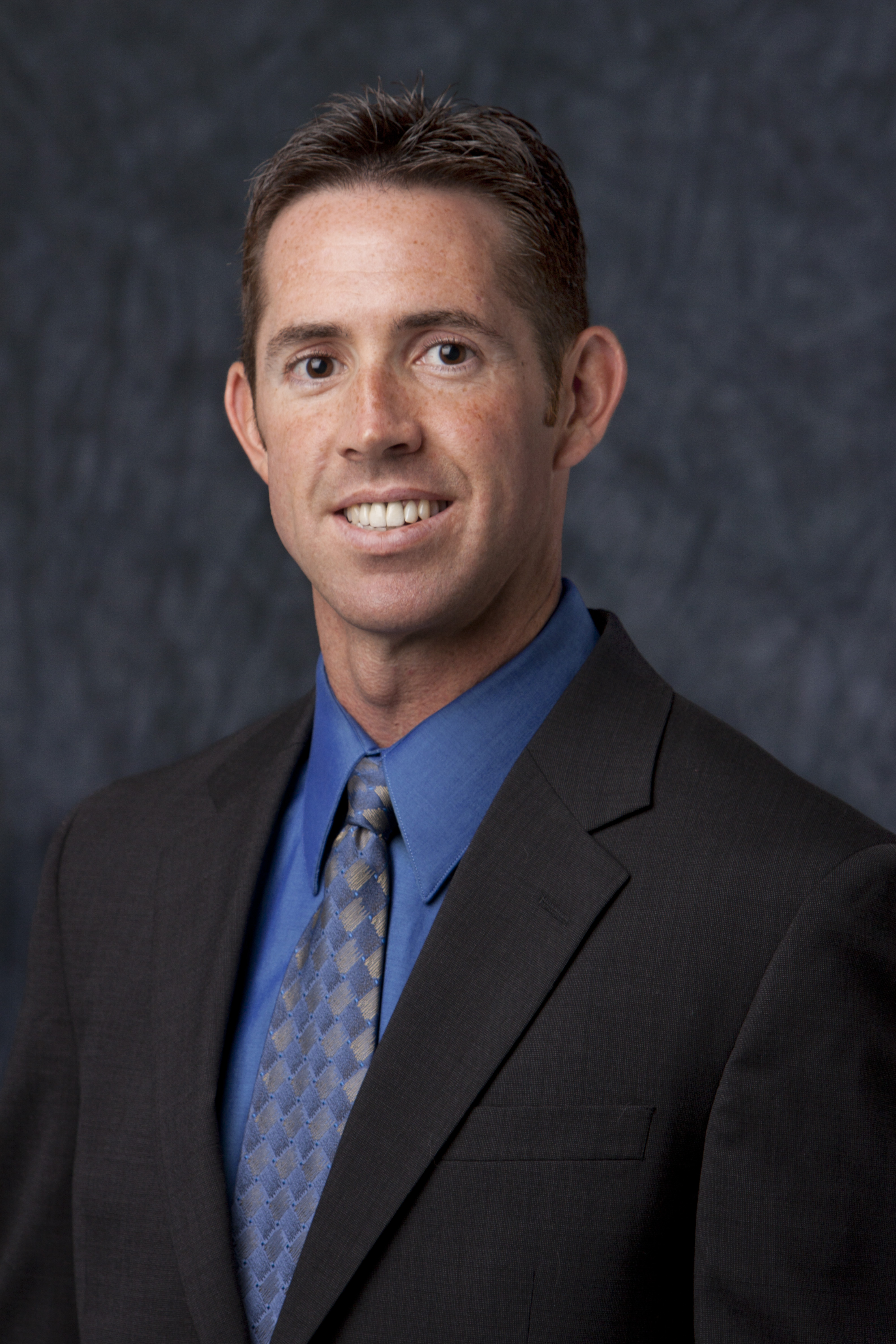
Christopher M. Sales is a Tenure-Track Assistant Professor in the Civil, Architectural, and Environmental Engineering Department of Drexel University. He is an environmental engineer with research interests in molecular environmental microbiology related to the biodegradation of environmental contaminants and biotechnologies for energy and resource recovery from waste. His research group, who you can follow on twitter @SalesLaboratory, applies a combination of high-throughput and advanced molecular biology, analytical chemistry, and bioinformatics techniques to study microbial systems in natural and engineered environments.

Christopher received his Ph.D  in Civil and Environmental Engineering from the University of California, Berkeley, in 2012. His dissertation focusing on the functional genomics of the biodegradation of the emerging water contaminants, 1,4-dioxane and N-nitrosodimethylamine (NDMA). Prior to this, he worked as a post-doctoral researcher with Dean Joseph B. Hughes in the Civil, Architectural, and Environmental Engineering Department at Drexel University concentrated on the bioremediation of soils contaminated with nitroaromatric compounds, the environmental impacts of hydraulic fracturing in the Marcellus Shale, and the development of combined algae-bacteria biotechnologies for the conversion of wastes to energy and valuable products.

Read Chris’ Emerging Investigators article ‘untangling the microbial ecosystem and kinetics in a nitrogen removing photosynthetic high density bioreactor’.

– How has your research evolved from your first to your most recent article?
This most recent article in ES:WR&T blends together aspects of research that I did as an undergraduate and then as a doctoral student. As an undergraduate at the University of Pennsylvania, I performed research in the laboratory of Wen Kang Shieh (who is a co-author on this most recent article) that mainly focused on the design and kinetics of bioreactors for wastewater treatment. Through this undergraduate research, I was fortunate enough to publish a manuscript on the performance of a novel continuous bioreactor system that had high mean cell residence times without a biomass-liquid separation unit (see DOI:10.1016/j.watres.2006.01.043). While I knew microbes were involved in the treatment of synthetic wastewater in the bioreactors that I operated as an undergraduate, I was not able to fully grasp or appreciate–at that time–the complex microbial processes responsible for removing pollutants from wastewater in these systems. This undergraduate research experience propelled me on a journey to pursuing a graduate degree with Lisa Alvarez-Cohen at the University of California at Berkeley, where I applied functional genomics to understand microbial degradation of environmental contaminants.  This recent article on untangling the microbial ecology and kinetics in a nitrogen removing photosynthetic bioreactor of algae and bacteria showcases my ambitions as an Assistant Professor at Drexel University, where I am aiming to utilize molecular biology techniques, such as high-throughput genomic sequencing, to shed light on the microbial processes that dictate the function and performance of environmental biological processes in order to inform how we design and engineer them.

– What aspect of your work are you most excited about at the moment?
The most exciting–and also the most daunting and challenging–aspect of incorporating meta-omics and high-throughput chemical techniques to studying the kinetics and microbiology of environmental biological processes is the collection, handling, and analysis of such large datasets. This influx of data has the potential to vastly improve our understanding and ability to engineer biological processes but realization of this potential will depend largely on advances in data sciences and computational modeling to analyze the large amounts of high-dimensional data and draw meaningful relationships from these system within an engineering context.

– What do you see as the biggest benefit of using 3D visualization methods for water research?
The 3D visualization method gave us a new perspective, beyond single-variate regressions, to determine how more than one predictor variables could interact to affect the performance of a system. The 3D visualization methods will allow water researchers to examine how two predictor variables could work in tandem to affect the performance of a treatment process.

– What is the most useful application for these membranes?
With its enhanced removal of organic compounds, this membrane can be potentially used for wastewater reuse, as wastewater often contains harmful organic contaminants, such as pharmaceuticals and personal care products, and endocrine disrupting compounds.

– In which upcoming conference or events may our readers meet you?
I will be at the upcoming 16th International Symposium for Microbial Ecology (ISME) in Montreal, Canada from August 21-26, 2016 with my PhD student and co-author on this recent article in ES:WR&T, Jacob Price.

– How do you spend your spare time?
I spend my spare time relaxing with my wife and our three dogs. We enjoy cooking and grilling at home and exploring the food and beer scene in Philadelphia.

– Which profession would you choose if you were not a scientist?
I love cooking and being in a kitchen, so I’d say a chef.

– Can you share one piece of career-related advice or wisdom with other early career scientists?
Surround yourself with a strong support system of peers and mentors–they will help you gain confidence to navigate through difficult times and will always be there to champion and celebrate your successes.

Digg This
Reddit This
Stumble Now!
Share on Facebook
Bookmark this on Delicious
Share on LinkedIn
Bookmark this on Technorati
Post on Twitter
Google Buzz (aka. Google Reader)

Emerging Investigator Series: Baoxia Mi

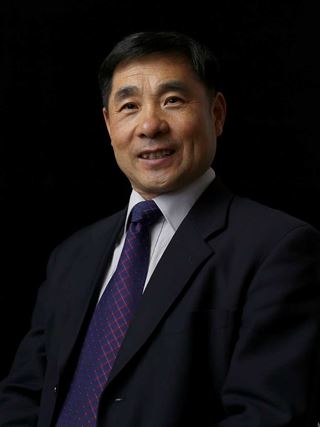
Baoxia Mi is an assistant professor in the Civil and Environmental Engineering Department at the University of California, Berkeley. She received BS and MS from Tianjin University in China, Ph.D. from the University of Illinois at Urbana-Champaign, and a postdoctoral training at Yale University, all in environmental engineering.  Prior to joining UC Berkeley, she held faculty positions at the University of Maryland College Park and The George Washington University in DC.

Currently, she directs the research and educational activities of the Membrane Innovation Lab, studying physicochemical and biological processes with emphases on advanced membrane processes and nanotechnology to address some of the most challenging issues in sustainable water supply and civil infrastructure, renewable energy production, and public health protection. Dr. Mi’s recent achievements include an NSF CAREER Award and Journal of Membrane Science Most Cited Author Award.

Read Baoxia’s Emerging Investigators article ‘silica-crosslinked graphene oxide membrane and its unique capability in removing neutral organic molecules from water‘.

– How has your research evolved from your first to your most recent article?
My first research article was on membrane integrity monitoring method published in the early stage of my PhD study at Illinois.  My current paper is on a novel graphene oxide membrane that demonstrates very interesting separation capabilities. So, over the years, the focus of my research has definitely shifted among different aspects of membrane technology, from membrane characterization to new materials and processes.  But overall, I am fascinated by novel technologies that can help us address global water challenges.

– What aspect of your work are you most excited about at the moment?
I am most excited about exploring new materials and technologies with the ultimate goal of discovering their potential in promoting water and environmental sustainability. New things do not always work, but there is a lot of fun in the learning process, and the excitement that we get when it does work is enormous.

– What makes silica-crosslinked graphene oxide membranes unique?
The uniqueness of silica-crosslinked graphene oxide membrane mainly comes from its 2D carbon-walled channels, which presents a membrane structure that is distinctly different from traditional porous membranes.  We believe such unique structure and associated interface phenomena eventually lead to the unexpected (in a good way) membrane behavior in removing neutral organic molecules.

– What is the most useful application for these membranes?
With its enhanced removal of organic compounds, this membrane can be potentially used for wastewater reuse, as wastewater often contains harmful organic contaminants, such as pharmaceuticals and personal care products, and endocrine disrupting compounds.

– What do you find most challenging about your research?
I felt that the most challenging part about my research is to bridge the gap between scientific discoveries in lab-scaled research and real-life applications of the technologies we are working on.

– In which upcoming conferences or events may our readers meet you?
My next trip is to the Gordon Research Conference on Membranes: Materials and Processes that will take place at Colby-Sawyer College in New London, NH next month.  At the meeting, I will give a talk on the promises of graphene oxide membranes in water purification. I am also co-organizing a session on membrane processes for water-energy sustainability at the ACS meeting next Spring in San Francisco.

– How do you spend your spare time?
I spend most of my spare time with my two daughters, 8-year old Mifay and 3-month old Mibelle.  If there is still time, I enjoy reading and walking/hiking.

– Which profession would you choose if you were not a scientist?
If I am not a scientist, I think I might enjoy being an elementary school teacher and/or a writer to write kids stories.  My daughter always asks me to invent stories about her favorite toys and I enjoy doing it too. Nevertheless, being a scientist is much better as I would have missed the fun of doing research.

– Can you share one piece of career-related advice or wisdom with other early career scientists?
Instead of setting a definite career path for myself, I like to just try to be my best in each stage of my life.  I felt that working hard and being persistent will eventually bring you to your dream job, although there could be so many different paths to follow.

Digg This
Reddit This
Stumble Now!
Share on Facebook
Bookmark this on Delicious
Share on LinkedIn
Bookmark this on Technorati
Post on Twitter
Google Buzz (aka. Google Reader)

Indo-UK Workshop on Nano-Biomaterials for Water Purification

Call for participants for the Indo-UK Workshop: Nano-Biomaterials for Water Purification

Kerala, India, 12th to 16th December 2016


Under the Researcher Links scheme offered within the Newton Fund from the British Council, Dr Durai Prabhakaran Raghavalu Thirumalai (Bangor University, Bangor, UK) and Professor Sabu Thomas (Mahatma Gandhi University, Kottayam, Kerala) will be holding a workshop on nanomaterials for water purification in Kerala, India from 12–16 December 2016.

Advances in nanoscale science and engineering suggest that many of the current problems involving water quality could be resolved using nanosorbents, nanocatalysts, bio-active nanoparticles, nanostructured catalytic membranes and nanoparticle enhanced filtration among other products and processes from the development of nanotechnology. Recent developments in technology have resulted in breakthroughs in wastewater treatment for reuse. This progress includes membrane technology, which has emerged as a significant innovation for treatment and reclamation, as well as a leading process in the upgrade and expansion of wastewater treatment plants. Membrane filtration technologies form a promising avenue of research and innovation to provide effective and lasting solutions for adequate supplies of water of suitable quality to meet human, environmental and industrial needs. Our intention is to bring together the experience from India and UK researchers in order to discuss these topics and new targets in materials and chemistry for water purification.

Early Career Researchers from the UK or India are now invited to apply to attend this workshop. All travel and accommodation expenses will be covered by the Newton Researcher Links programme.

The workshop will provide a unique opportunity for sharing research expertise and networking. During the workshops early career researchers will have the opportunity to present their research in the form of a short oral presentation and discuss this with established researchers from the UK and partner countries. There will be a focus on building up links for future collaborations and participants selected on the basis of their research potential and ability to build longer term links.

If you would like more information about the workshop please contact Dr Durai Prabhakaran Raghavalu Thirumalai (durai.prabhakaran@bangor.ac.uk) or Professor Sabu Thomas (sabuchathukulam@yahoo.co.uk).

For more information on the Researcher Links Scheme please visit https://www.britishcouncil.org/education/science/researcher-links.

Digg This
Reddit This
Stumble Now!
Share on Facebook
Bookmark this on Delicious
Share on LinkedIn
Bookmark this on Technorati
Post on Twitter
Google Buzz (aka. Google Reader)

Are current water treatment practices favouring the rise of antibiotic resistance?

an article by Dan Mercea, PhD student at Imperial College London

The answer is fortunately no, based on the findings of a recent article published in Environmental Science: Water Research and Technology.

Drinking water distribution systems (DWDS) rely on the use of disinfecting agents to prevent the outbreak of diseases carried by waterborne pathogens. A commonly employed chemical agent is free chlorine, however health risks associated with the production of disinfection by-products (DBPs) have favoured the use of chloramines as secondary disinfectants. Chloramines provide longer lasting levels of residual disinfectant, but leave the system prone to nitrification, a process which can affect drinking water quality. Nitrification, and the so-called ‘chlorine burns’, treatments used to rectify the system, are considered disturbances to the microbial communities which populate a DWDS and have been linked to the development of pathogenic microbial agents and the spread of antibiotic resistance genes (ARGs).

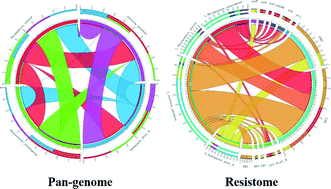
Graphical Abstract

The present study operated a simulated drinking water distribution system through the typical phases of: normal operation, failure (i.e. nitrification), and rectification in order to study the microbiome and its response to the mentioned disturbances. Under normal operation the bacterial community revealed itself to be complex, with a small number of dominant species (the core microbiome) accompanied by a great number of species which together comprise only a small portion of the community (the rare biosphere).

The drastic changes in DWDS conditions realised during progression through the various operational phases allowed for the study of the conditionally rare taxa (species normally present in low abundance, but which become dominant under certain conditions). For example, the nitrifier Nitrospira spp., present in very low abundance or under the detection limit during normal operation with chloramine disinfectant, becomes present to noticeable levels during system failure. Nitrification is associated with the accelerated decay of chloramine which makes it difficult to maintain appropriate disinfectant levels under failure conditions and offers an opportunity for certain pathogens to multiply. One such pathogen, Legionella pneumophila, is over 10 times more abundant in free-chlorine treated water in the absence of secondary chloramine disinfectant. Such observations suggest that monitoring of conditionally rare taxa could predict nitrification in chloraminated DWDSs and help prevent potential dangerous situations in which public health becomes threatened by waterborne pathogens.

Genome analysis for a number of isolates from the core microbiome revealed the presence of a large number of gene clusters (165) with similarity to known ARGs. Combined these could offer their hosts resistance to a broad range of antibiotics such as: erythromycin, ciprofloxacin, tetracycline, rifampin, fluoroquinolone, and others. Transfer of these genes to human-related bacteria is noted as being highly unlikely though, and any antibiotic resistance conferred to be limited to the host organism. The study also considered the effect of disturbances on the biofilm populations of the DWDS; previously biofilms had been described as reservoirs of antibiotic resistant bacteria, but with little information being available on their role in the spreading of antibiotic resistance within DWDSs. Three strains of M. chelonae were selected from the biofilm for genomic analysis following disturbance events. The genome was found to be conserved throughout the operational stages with no changes in the ARG ensemble either, in contrast to the expectations of selection pressure causing mutations.

Finally, the microbial community proved to be resilient returning back to its initial state during the second normal operation phase. In conclusion, the study analysed both the dominant and minor bacterial components in the DWDS ecosystem, and monitored their response to changes in physicochemical properties of the environment. This showed how opportunities arise for the spread of waterborne pathogens, but found no evidence for the development of antibiotic resistance within the DWDS system.

To read the full article for free* click on the link below:

Resilience of microbial communities in a simulated drinking water distribution system subjected to disturbances: role of conditionally rare taxa and potential implications for antibiotic-resistant bacteria
V. Gomez-Alvarez, S. Pfaller, J. G. Pressman, D. G. Wahman and   R. P. Revetta
Environ. Sci.: Water Res. Technol., 2016, Advance Article
DOI: 10.1039/C6EW00053C

—————-

About the webwriter

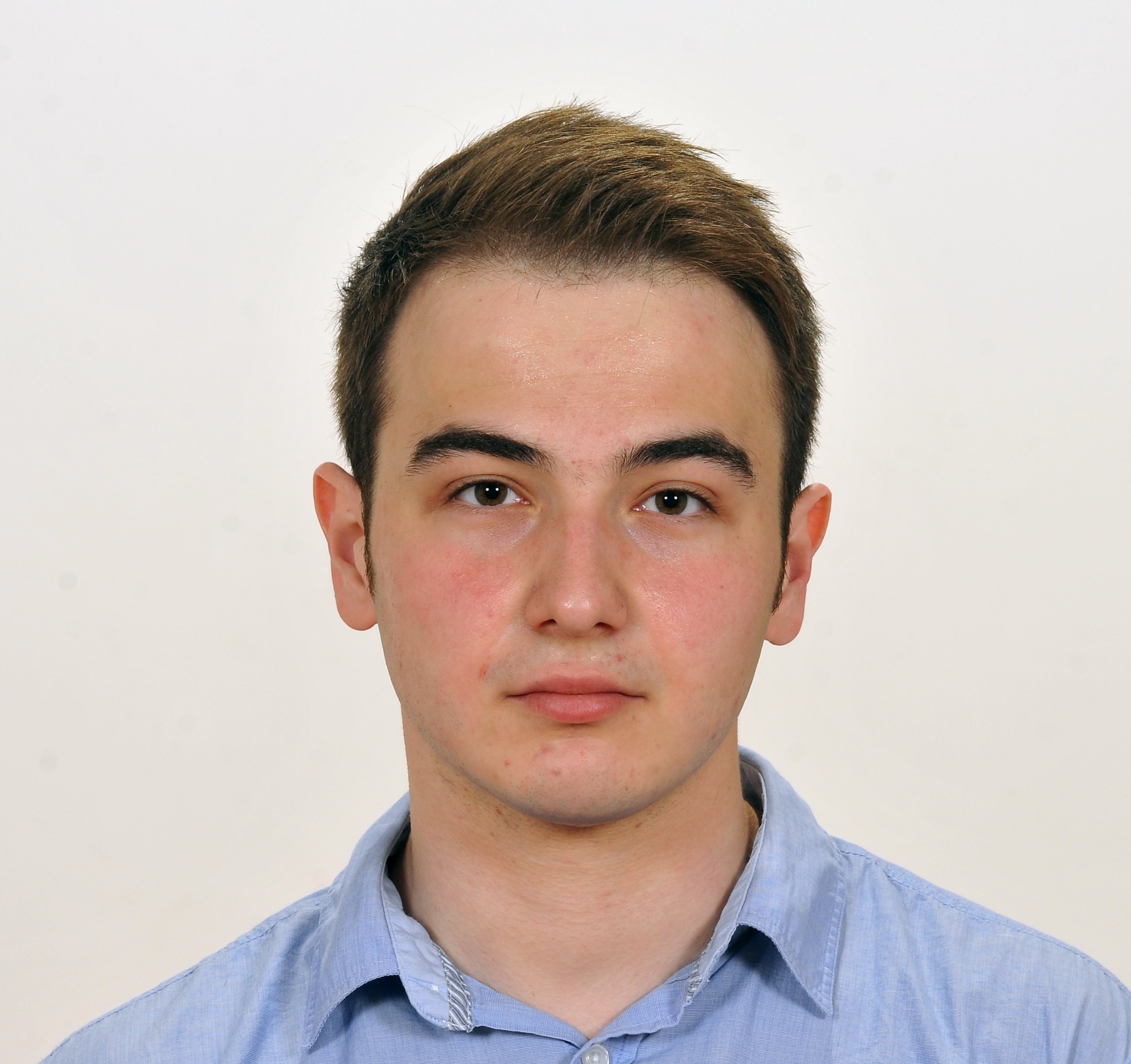
Dan Mercea is a PhD student in the Fuchter group at Imperial College London. He is working on developing enantioselective FLP catalysis.

—————-

*Access is free through a registered RSC account – register here

Digg This
Reddit This
Stumble Now!
Share on Facebook
Bookmark this on Delicious
Share on LinkedIn
Bookmark this on Technorati
Post on Twitter
Google Buzz (aka. Google Reader)

Our International Symposium on Environmental Science

Day one (Chair, Professor Lizhong Zhu, Zhejiang Unviersity)

Comprising of two one day meetings, the International Symposium on Environmental Science was organised by the Royal Society of Chemistry in collaboration with Zhejiang University and the Research Center for Eco-Environmental Sciences, Chinese Academy of Sciences.

During the symposium, nearly 300 delegates attended to interact with four international speakers, who also serve as Editors of the three Environmental Science journals, and 16 Chinese speakers who are leading experts in their subject field. Sarah Ruthven, Editor of all three Environmental Science journals introduced the journals and answered questions raised by the audience.

Day one speakers

Day one:
Zhejiang University, Hangzhou, 5th June 2016
Kris McNeill, Chair of Environmental Science: Processes & Impacts, ETH Zürich, Switzerland, started the first session with a presentation on Environmental Photochemistry.

Day two:
Research Center for Eco-Environmental Sciences, Chinese Academy of Sciences, Beijing, 7th June 2016
Can Australia’s polluted urban river be swimmable again? Stuart Khan, University of New South Wales, Australia, Associate Editor of Environmental Science: Water Research & Technology began the first session presenting his research.

Day two speakers

Day two (Chair, Professor Lianghong Guo, Research Center for Eco-Environmental Sciences)

Environmental Science: Processes & Impacts Associate Editor Heileen Hsu-Kim, Duke University, USA and Environmental Science: Nano Associate Editor Iseult Lynch, University of Birmingham, United Kingdom, also presented their latest research.

Stay up to date with our Environmental Science journals – sign-up to receive the latest journal news www.rsc.li/alerts and follow us on Twitter – @EnvSciRSC

Digg This
Reddit This
Stumble Now!
Share on Facebook
Bookmark this on Delicious
Share on LinkedIn
Bookmark this on Technorati
Post on Twitter
Google Buzz (aka. Google Reader)

25th Japan Society for Environmental Chemistry

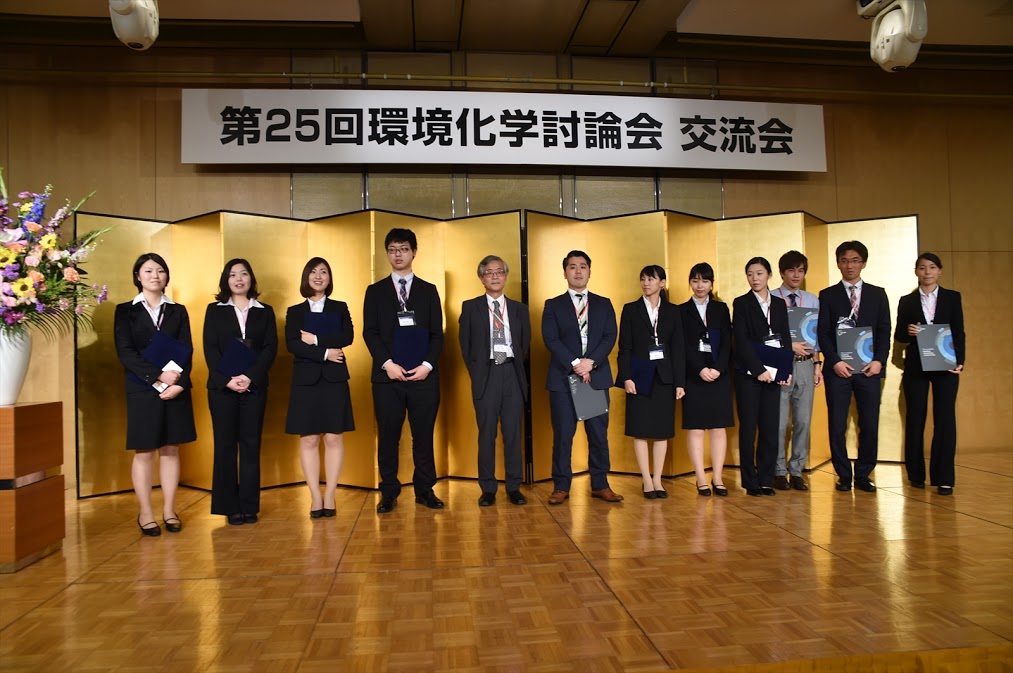
The 25th Japan Society for Environmental Chemistry Annual Meeting was held in Niigata, Japan on 8-10 June 2016.

During the award ceremony Hiromitsu Urakami from the Royal Society of Chemistry presented several certificates to poster prize winners on behalf of our environmental science journals.

Congratulations to all of the winners!

Environmental Science: Water Research & Technology winner:

Suzumi Nishimura, Waseda University

Poster title: The Estimation of the Effect of Atmospheric Deposition and the Behaviour of Trace Metals in Stream Water in Mountains Neighbouring the Metropolitan Area

And the winners for the Environmental Science: Process & Impacts and Environmental Science: Nano poster prizes were Tomohiko Nakano, Onishi Ayaka and Kosuke Tanaka. More details can be found on our  ES: Processes & Impacts and ES:Nano blogs.

Digg This
Reddit This
Stumble Now!
Share on Facebook
Bookmark this on Delicious
Share on LinkedIn
Bookmark this on Technorati
Post on Twitter
Google Buzz (aka. Google Reader)

Emerging Investigator Series: Christy Remucal

Christina Remucal is currently an Assistant Professor in the Department of Civil and Environmental Engineering at the University of Wisconsin-Madison where she focuses on aquatic chemistry. She is also affiliated with several interdisciplinary programs, including Environmental Chemistry and Technology, Freshwater and Marine Science, and Molecular and Environmental Toxicology. Dr. Remucal holds a BS (2003) in Environmental Engineering and Science from the Massachusetts Institute of Technology and an MS (2004) and PhD (2009) in Civil and Environmental Engineering from the University of California, Berkeley. She completed her postdoctoral research in the Institute of Biogeochemistry and Pollutant Dynamics at the Swiss

Read Christy’s Emerging Investigators article ‘the efficacy of chlorine photolysis as an advanced oxidation process for drinking water treatment.’

– How has your research evolved from your first to your most recent article?
My first paper came out of my undergraduate research on solar water disinfection. I then studied the production of reactive oxidants by zero-valent iron nanoparticles as a graduate student and returned to photochemistry as a post-doc. My current research focuses on the formation and fate of reactive oxidants that are capable of degrading contaminants in both natural systems and in engineered systems (as discussed in this article). While I’ve worked in different systems, my research has always aimed at developing ways to clean water.

– What aspect of your work are you most excited about at the moment?
My group is doing a lot of work characterizing the composition and reactivity of dissolved organic matter (DOM). DOM is present in all waters and is important for drinking water because it leads to the formation of disinfection by-products. It also plays a role in the indirect photodegradation of many contaminants in sunlit natural waters. I am excited about DOM because it is a really challenging problem, but also is very important for water quality.

– What do you see as the biggest challenge in drinking water?
Challenges in drinking water are related to both the quantity and quality of water resources. We only have a limited amount of available freshwater, but the stress on this resource is increasing due to a growing population. As a result, we are turning to lower quality water sources to meet our needs. We are also increasingly aware of the presence of emerging contaminants in our water, including pharmaceuticals and personal care products. While some of the solutions to these issues are technological, we also need to work on the social  and political aspects to meet our growing demand for water.

– You identified several gaps in knowledge of the chemistry of chlorine photolysis, what do you think is the biggest priority for future research?
A better understanding of the transformation of dissolved organic matter and the formation of disinfection by-products (DBPs) during chlorine photolysis is clearly needed. The data on this topic is limited and there is no consensus in the current literature about whether the treatment approach increases or decreases DBPs. Chlorine photolysis is a promising drinking water treatment approach to improve inactivation of pathogens and remove organic contaminants, but we need to know more about DBP formation in order to safely apply it.

– In which upcoming conferences or events may our readers meet you?
I am attending the Gordon Research Conference on Environmental Sciences: Water this summer, and will be at the spring ACS meeting in San Francisco in 2017 – How do you spend your spare time? Nearly all of my free time is spent with my family, including my daughter (5 years) and son (2 years). They are a lot of fun, and I really enjoy watching them learn about the world around them. Outside of that, I enjoy skiing, playing ultimate frisbee, and cooking.

– Which profession would you choose if you were not a scientist?
I have always loved science, even as a middle school student working on my first science fair project. If I had not gone into science, I would have pursued a career in medicine

– Can you share one piece of career-related advice or wisdom with other early career scientists?
Work on something you are really excited about. Research has its ups and downs, and being passionate about what you do helps you stay motivated and get through challenges.

Digg This
Reddit This
Stumble Now!
Share on Facebook
Bookmark this on Delicious
Share on LinkedIn
Bookmark this on Technorati
Post on Twitter
Google Buzz (aka. Google Reader)

Emerging Investigators Series: Daniel Gerrity

Daniel Gerrity

Daniel Gerrity earned his Ph.D. in Civil & Environmental Engineering as a Department of Homeland Security Fellow at Arizona State University (ASU). After graduation, he worked as a Post Doctoral Researcher at the Southern Nevada Water Authority (SNWA) where he studied the occurrence and treatability of trace organic contaminants in water and wastewater. Dr. Gerrity then worked as a Senior Engineer for Trussell Technologies in San Diego where he focused on the development of alternative treatment trains for potable reuse applications.

Dr. Gerrity is now an Assistant Professor in the Department of Civil & Environmental Engineering and Construction at the University of Nevada, Las Vegas (UNLV) where his teaching and research interests focus on water reuse.

Read Daniel’s Emerging Investigators article ‘Prediction of Trace Organic Contaminant Abatement with UV/H2O2: Development and Validation of Semi-Empirical Models for Municipal Wastewater Effluents’ here.


– How has your research evolved from your first to your most recent article?
Throughout my career, I have worked with advisors and mentors with experience in diverse fields ranging from environmental microbiology to chemical engineering. My early publications with Morteza Abbaszadegan, John Crittenden, and Hodon Ryu were related to my Ph.D. research at Arizona State University. These publications primarily focused on the use of advanced treatment technologies, specifically UV/TiO2 photocatalysis, for microbial inactivation.

After graduation, I had the opportunity to pursue post doctoral research with Shane Snyder at the Southern Nevada Water Authority where my research shifted toward the study of trace organic contaminants in water and wastewater. During that time, we were awarded a project by the WateReuse Research Foundation to study the use of ozone and UV/H2O2 to oxidize trace organic contaminants in wastewater treatment applications. This study served as the basis of the most recent article, and it also provided an opportunity to collaborate with other emerging researchers (Yunho Lee who is now at GIST) and established leaders in the field (Urs von Gunten of EAWAG). .

– What aspect of your work are you most excited about at the moment?
The most exciting part of my current research and my early career at the University of Nevada, Las Vegas is the opportunity to tie all of my past experiences together. In addition to pursuing additional research related to trace organic contaminants, I am also beginning to incorporate more topics related to environmental microbiology. For example, I am currently studying the role of wastewater treatment plants in either promoting or mitigating the effects of bacterial antibiotic resistance. This project gives me an opportunity to integrate my early experience in microbiology with my recent experience with trace organic contaminants, specifically antibiotics.

My current research also emphasizes the role of potable reuse in providing sustainable water supplies for communities in semi-arid environments. Given the importance of potable reuse in the American Southwest, I am excited that my research is critically important to my own community.

– What do you see as the biggest challenge in potable reuse treatment?
It is exciting to see how much potable reuse has evolved in such a short period of time, which is a testament to successful collaborations between researchers, industry, municipalities, and the public. In recent years, public acceptance of the topic was one of the critical challenges hindering widespread adoption of potable reuse. However, the long-term success of several benchmark systems and better communication of its benefits and safety have transformed planned potable reuse into a common and accepted practice.

In some locations, implementation of potable reuse requires compliance with very strict quality- or treatment-based standards. The biggest challenge for potable reuse is trying to figure out how we can achieve those standards in a sustainable and cost-effective way, while ensuring that we are fully protective of public health. That being said, this challenge applies to all forms of water and wastewater treatment—not just potable reuse.

– This is your second article in Environmental Science: Water Research & Technology. How was your experience publishing with us?
The experience has been fantastic in both instances. The part that really interests me is the unique way that the journal is reaching out to the scientific community and the general public. From the use of Twitter to eye-catching artwork to the Emerging Investigators blog, the journal’s communication seems to stand out compared to other journals. Most importantly, the journal still maintains an extremely high quality of scientific research related to cutting edge topics. I’m excited to be able to publish in this journal because I think it will grow rapidly and reach wider audiences.

– In which upcoming conferences or events may our readers meet you?
My graduate students and I will be presenting at the International Ozone Association meeting in Las Vegas in August 2016, and I will likely be attending WEFTEC in New Orleans in September 2016. Beyond those two specific conferences, I often attend the annual WateReuse meetings.

– How do you spend your spare time?
I now have an 11-month old daughter who is quickly becoming way too mobile for my liking! When my wife and I are not chasing her around, we go to a gym called SinCity CrossFit in Las Vegas. I’ve developed a great community of friends there, and it allows me to mentally escape from science and teaching—at least for a little while.

Beyond that, I love getting outside and seeing all of the great places Las Vegas has to offer. Most people miss out when they visit Las Vegas because they never get away from the Strip to see places like Red Rock, Mount Charleston, and Lake Mead.

– Which profession would you choose if you were not a scientist?
I enjoy CrossFit so much that I would probably become a coach or possibly open my own gym. Seeing someone achieve their fitness goals or master a specific CrossFit skill is just like seeing the light bulb go off in a student’s head in the classroom. They are both very rewarding experiences.

– Can you share one piece of career-related advice or wisdom with other early career scientists?
Particularly in environmental engineering, there are so many opportunities to collaborate with people in other fields because the problems we are trying to solve require expertise in so many different areas (engineering, materials, biology, chemistry, public health, political science, sociology). In the end, collaboration will likely yield a better product, and you will likely gain knowledge or skills in a new area.

Digg This
Reddit This
Stumble Now!
Share on Facebook
Bookmark this on Delicious
Share on LinkedIn
Bookmark this on Technorati
Post on Twitter
Google Buzz (aka. Google Reader)

Brine Mining Nexus Themed Issue

Process engineering and materials science: At the interface of applied and fundamental research

Are you currently developing new techniques or novel materials to treat saline water for brine management or resource recovery?

If so, you are encouraged to submit a paper to a themed issue of Environmental Science: Water Research & Technology dedicated to Brine Mining Nexus.

Brine or concentrate management offers both the challenge of saline wastewater disposal and the opportunity to recover valuable minerals. Successful integration of brine management techniques and other processes can open up new horizons for water and wastewater treatment, but will require complementary and innovative development in both process engineering and materials science.

Guest Editors of this themed issue Long Nghiem (University of Wollongong, Australia), Enrico Drioli (Università della Calabria), Tzahi Cath (Colorado School of Mines), and Tao He (Shanghai Advanced Research Institute) are soliciting submissions highlighting research that covers the diverse array of research topics in process engineering and materials science specifically towards the development or further improvement of brine management technologies, such as:

  • Proof-of-concept and pilot demonstration of brine treatment technologies
  • Scaling control and prevention
  • Salt recovery via crystallisation
  • Brine valorisation without crystallisation
  • Novel membrane or ion exchange materials for brine management
  • Non-corrosive materials development
  • Low grade energy utilisation for brine management

Submit your paper by 30th September 2016

We welcome original research papers, communications, perspectives, and review articles.

For more information on the scope of Environmental Science: Water Research & Technology and our author guidelines, please visit our website or email us at eswater-rsc@rsc.org.

Digg This
Reddit This
Stumble Now!
Share on Facebook
Bookmark this on Delicious
Share on LinkedIn
Bookmark this on Technorati
Post on Twitter
Google Buzz (aka. Google Reader)

Professor Jun Ma wins Sustainable Water Award 2016

Professor Jun Ma

Professor Jun Ma of the Harbin Institute of Technology and Advisory Board member of Environmental Science: Water Research & Technology has been chosen by the Royal Society of Chemistry as the deserved winner of the Sustainable Water Award 2016. The award recognises his work on the development and application of novel technologies for wastewater treatment processes.

The Royal Society of Chemistry prizes and awards celebrate the achievements by individuals, teams and organisations in advancing the chemical sciences – and rewarding those who undertake excellent work in the chemical sciences across the world.

Jun Ma graduated from Harbin Institute of Technology (BS, MS and PhD), and was a Postdoctoral Fellow at Imperial College London (recipient of Marie Curie Postdoctoral Fellowship). He has been a Senior Visiting Scholar at the University of Massachusetts at Amherst as well as the Swiss Federal Institute of Aquatic Science and Technology (EAWAG) at Switzerland. Professor Ma is now the Changjiang Scholar Professor at Harbin Institute of Technology and the Deputy Director of the National Engineering Research Centre of Urban Water Resources, China.

Congratulations Professor Ma from the entire Environmental Science: Water Research & Technology team!

Professor Jun Ma’s webpage can be found here.

Full details of all 2016 prize and award winners can be found here.

Digg This
Reddit This
Stumble Now!
Share on Facebook
Bookmark this on Delicious
Share on LinkedIn
Bookmark this on Technorati
Post on Twitter
Google Buzz (aka. Google Reader)